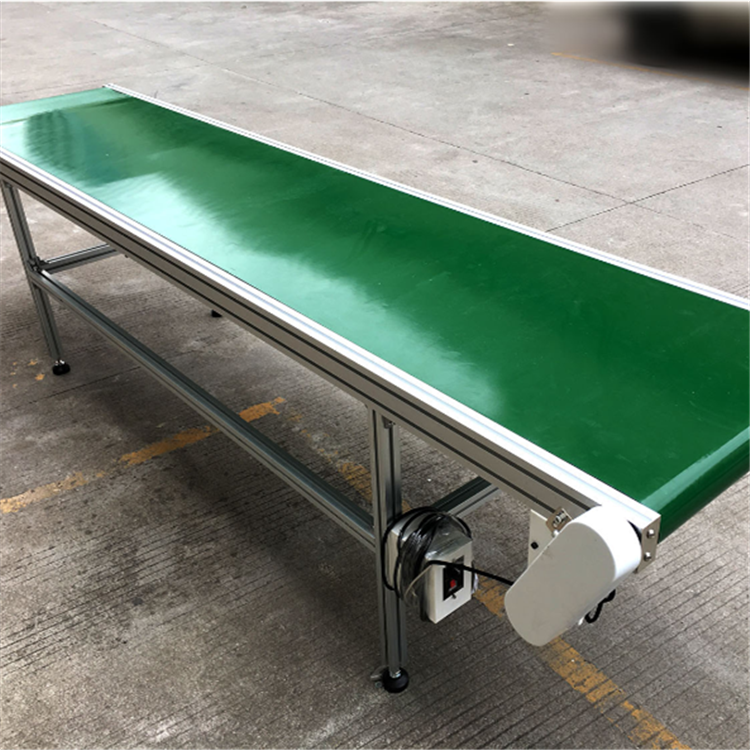
Corrosion and Moisture Resistant Conveyor Belts for Paper Mill Environments
Corrosion and Moisture Resistant Conveyor Belts for Paper Mill Environments
Corrosion and Moisture Resistant Conveyor Belts for Paper Mill Environments are designed for conveying duties where moisture, wet pulp, chemical exposure, abrasion, and continuous operation place additional demands on belt performance. Paper mills may handle wood chips, pulp, recycled paper, broke, trim, and process waste.
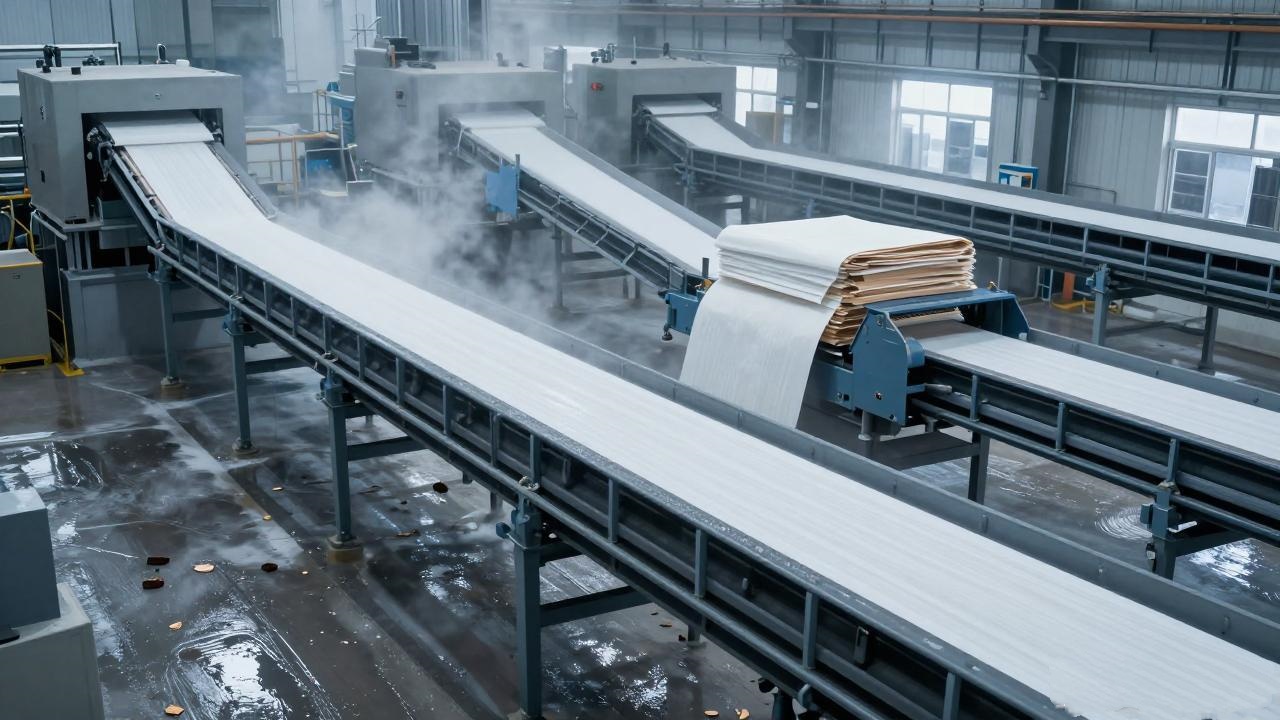
For paper mill applications, belt selection should be based on the conveyed material and actual operating conditions rather than belt width alone.
Why Paper Mills Need Moisture and Chemical Resistance?
Paper mill conveying areas can involve high humidity, wet materials, washdown water, and process chemicals. Wet and fibrous pulp can also adhere to the belt surface, increasing carryback and cleaning requirements.
For these conditions, Corrosion and Moisture Resistant Conveyor Belts for Paper Mill Environments should combine suitable environmental resistance with the construction required for continuous conveying.
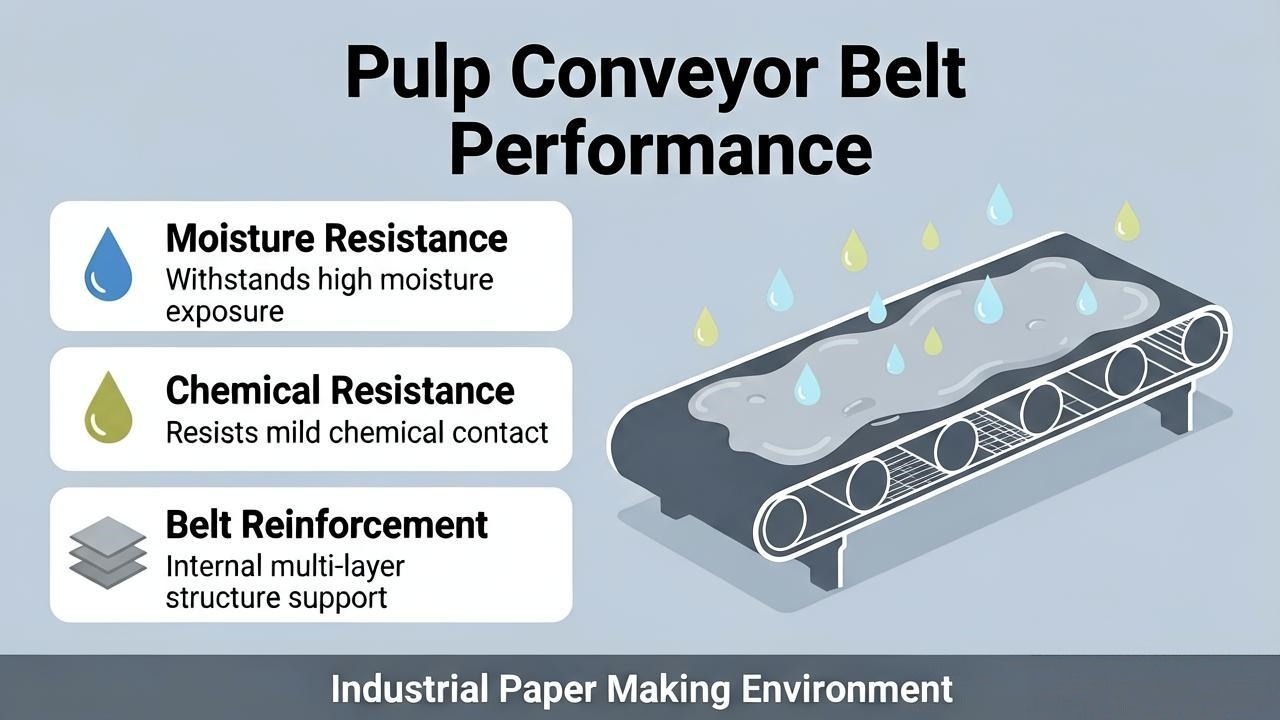
Prolonged water exposure can affect belt reinforcement and bonding between layers when the belt construction is not suitable for wet service. Chemical resistance and corrosion protection are related but different considerations. Chemical resistance mainly concerns the belt materials and cover, while corrosion protection may also apply to exposed metallic components.
Key Belt Properties
Moisture Resistance
Moisture-resistant construction is important for wet pulp, recycled paper, wood chips, and other water-containing materials. The required level depends on humidity, splashing, washdown, or continuous wet operation.
Chemical Resistance
Corrosion and Moisture Resistant Conveyor Belts for Paper Mill Environments may be selected where the belt contacts process chemicals or cleaning agents. Chemical compatibility depends on the actual chemical, concentration, temperature, and exposure frequency.
Abrasion and Impact Resistance
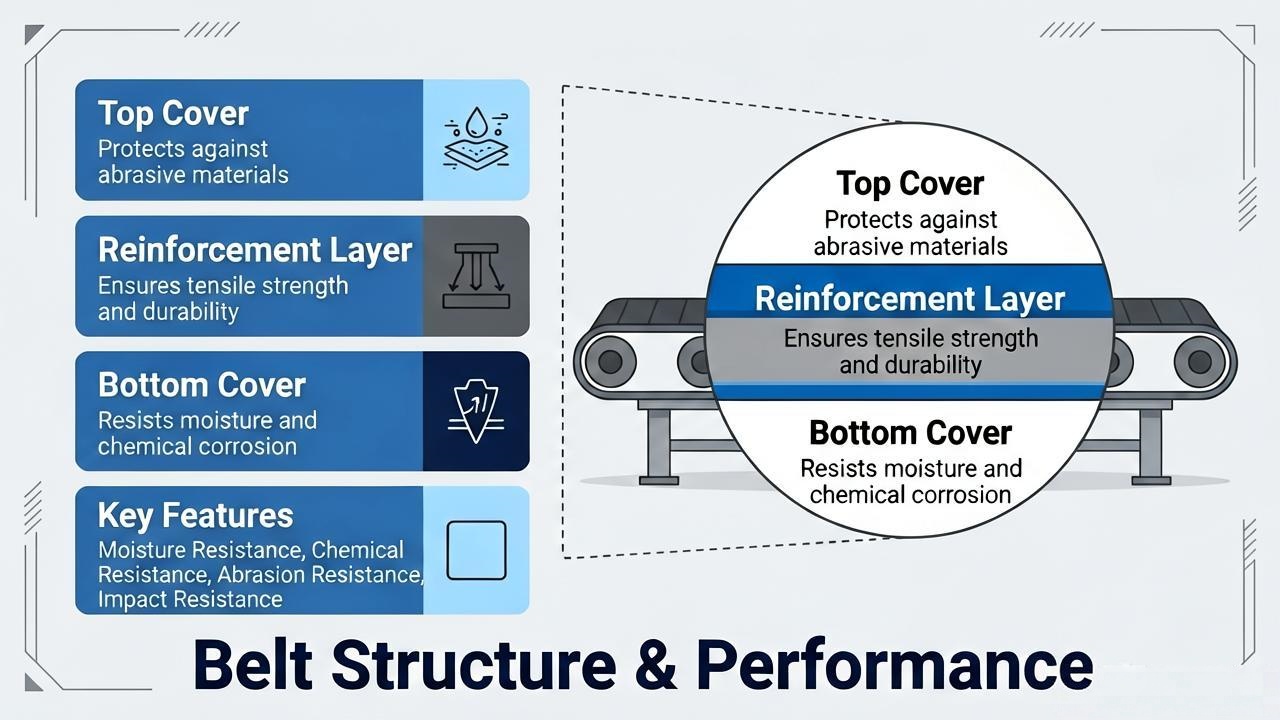
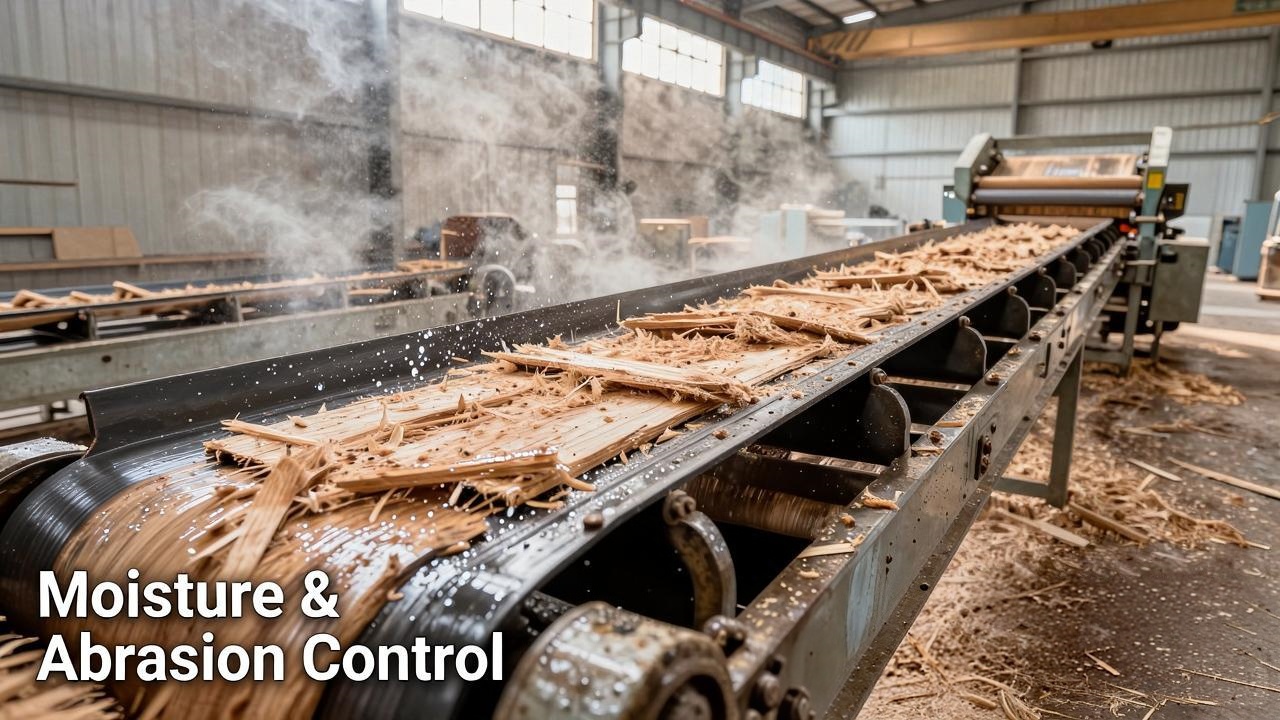
Wood chips and other bulk materials can create repeated abrasion and impact. Belt cover properties should therefore be matched to particle size, material characteristics, loading conditions, and conveying speed.
Paper Mill Applications and Operating Conditions
Corrosion and Moisture Resistant Conveyor Belts for Paper Mill Environments can be configured for different material-handling duties when the belt properties match the application.
| Application | Main Challenge | Important Belt Properties |
|---|---|---|
| Wet Pulp Conveying | High moisture, adhesion, and carryback | Moisture resistance and suitable surface |
| Recycled Paper Handling | Moisture and mixed residues | Moisture and abrasion resistance |
| Wood Chip Conveying | Impact, abrasion, and moisture | Abrasion and impact resistance |
| Broke and Trim Conveying | Wet or sticky material | Easy cleaning and moisture resistance |
Wet Pulp and Wood Chip Handling
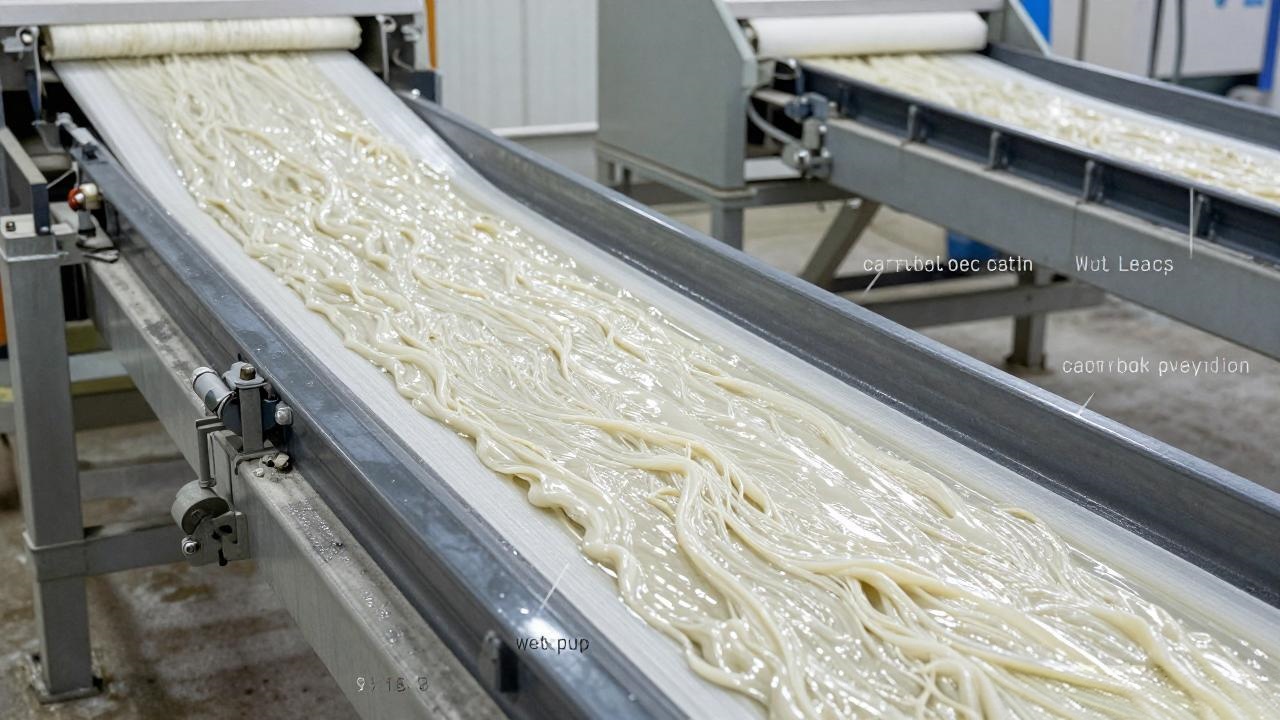
Wet Pulp Conveying
Wet pulp can remain on the belt surface and increase carryback when the belt surface and cleaning arrangement are not properly matched. Moisture resistance, surface characteristics, and cleaning should therefore be considered together.
Wood Chip Handling
Wood chips can create impact and abrasion, while storage or processing may introduce additional moisture. In wet conditions, slippage, mistracking, and material spillage can also become concerns.
Different areas of a paper mill should not automatically use the same belt construction. The operating conditions at each conveying point should determine the specification.
How to Select the Right Belt
Selecting Corrosion and Moisture Resistant Conveyor Belts for Paper Mill Environments should begin with the complete conveying condition.
Conveyed Material
Identify the material, moisture content, particle size, abrasiveness, and tendency to adhere to the belt.
Moisture and Chemical Exposure
Determine whether the conveyor handles wet material, operates in a humid area, or is exposed to washdown water or chemicals. When chemicals are involved, provide the chemical type, concentration, and operating temperature.
Conveyor Conditions
Important parameters include belt width, thickness, conveyor length, belt speed, conveying capacity, incline angle, loading conditions, and pulley arrangement.
Cleaning Requirements
For wet or sticky materials, the belt surface and cleaning system should be selected together to reduce carryback and buildup around the discharge and return path.
Technical Specifications
| Parameter | Selection Consideration |
|---|---|
| Belt Construction | Selected according to material and working conditions |
| Belt Width | According to conveyor design and conveying capacity |
| Belt Thickness | According to load and wear conditions |
| Tensile Strength | According to conveyor tension and belt length |
| Environmental Resistance | Moisture, abrasion, and chemical resistance as required |
| Surface | Smooth or patterned according to conveying conditions |
| Working Environment | Humid, wet, washdown, or chemically exposed |
| Application | Pulp, paper, recycled materials, wood chips, trim, or waste |
A belt suitable for relatively dry paper handling may not be suitable for continuous wet pulp service.
Common Problems and Maintenance
Even Corrosion and Moisture Resistant Conveyor Belts for Paper Mill Environments require regular inspection. Check the belt for abnormal wear, cracks, edge damage, swelling, and tracking problems.
For wet or sticky materials, inspect belt cleaners and remove accumulated material from the return path and pulley areas to reduce carryback and surrounding component wear.
Customized Solutions for Paper Mill Applications
Dahan provides conveyor belt solutions for applications involving moisture, abrasion, chemical exposure, and continuous operation.
For paper mill applications, Corrosion and Moisture Resistant Conveyor Belts for Paper Mill Environments can be selected according to the conveyed material, conveyor design, and operating conditions.
Dahan can recommend a suitable configuration based on the material, belt dimensions, conveyor length, speed, moisture conditions, chemical exposure, and existing belt specifications.
Frequently Asked Questions
What type of conveyor belt is suitable for wet pulp and recycled paper?
The appropriate belt depends on the material, moisture level, chemical exposure, abrasion, conveyor load, and operating conditions.
Can one belt provide moisture and chemical resistance?
Some constructions can provide both properties, but compatibility depends on the actual chemical, concentration, temperature, and exposure conditions.
Can belt dimensions be customized?
Yes. Belt width, thickness, tensile strength, surface design, and other specifications can be selected according to the conveyor system.
Conclusion
Paper mill conveyors can operate under wet, humid, abrasive, and chemically demanding conditions. Selecting a suitable belt therefore requires more than choosing a general-purpose conveyor belt.
Corrosion and Moisture Resistant Conveyor Belts for Paper Mill Environments should be matched to the conveyed material, moisture exposure, chemical conditions, abrasion level, and conveyor design.
Dahan can evaluate these conditions and recommend a suitable belt configuration for the intended application.