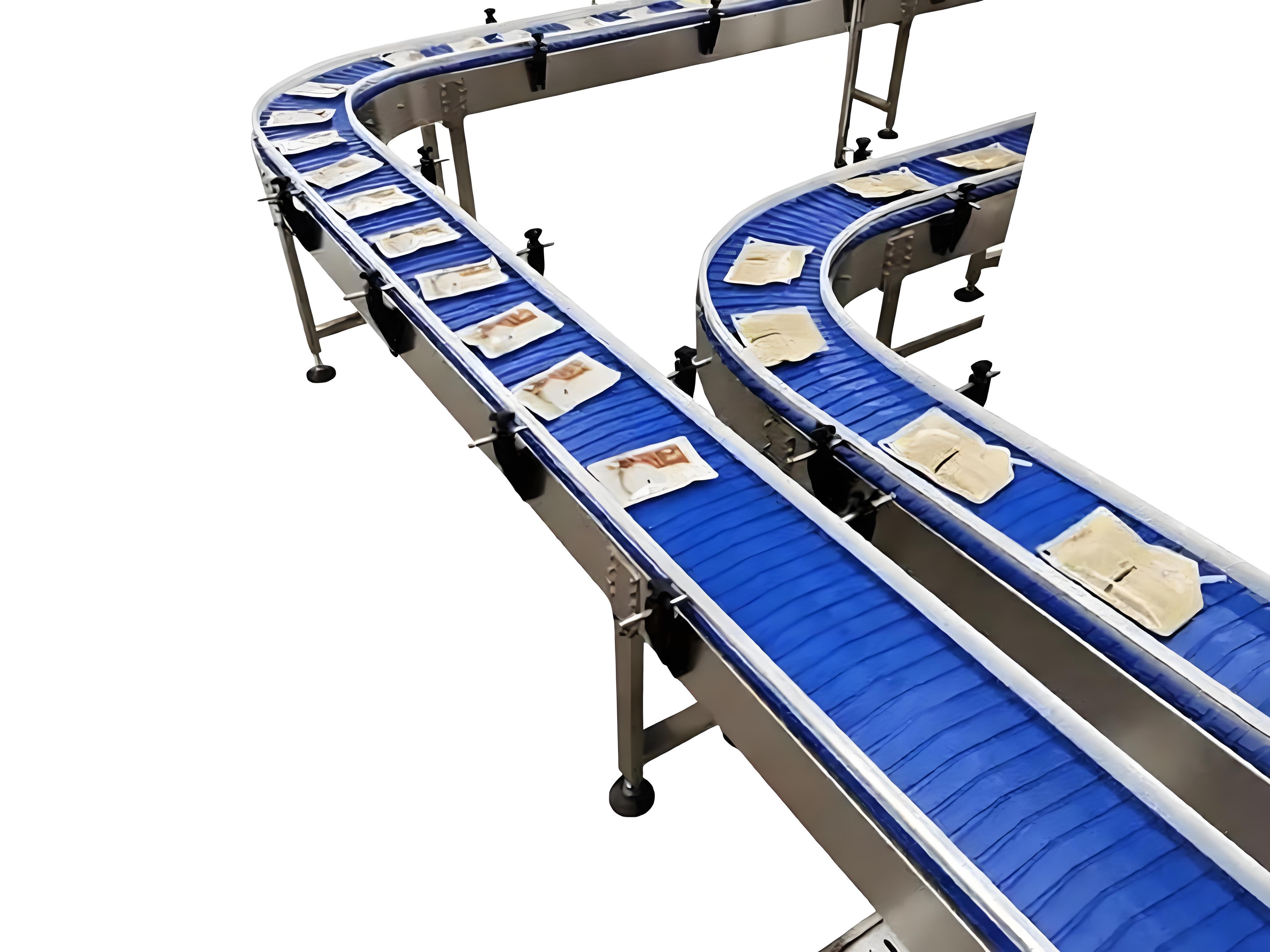
multi-conveyor system
| Model | Length | Belt Width | Speed | Incline | Capacity |
|---|---|---|---|---|---|
| Mobile Belt Conveyor | 8 m | 600 mm | 1.2 m/s | 18° | 40 t/h |
| Inclined Section | Custom | 600 mm | 1.2 m/s | 18° | 40 t/h |
| Horizontal Section | Custom | 600 mm | 1.2 m/s | 0° | 40 t/h |
| Loading Station | Custom | 600 mm | 1.2 m/s | 0° | 40 t/h |
Published: August 13, 2026
A custom multi-conveyor system was recently designed and manufactured for a grain processing facility in Kunming, Yunnan Province, specializing in rice and wheat flour production. The project addressed the facility's need for flexible, efficient grain transfer between storage, processing, and loading areas.
System Design and Configuration
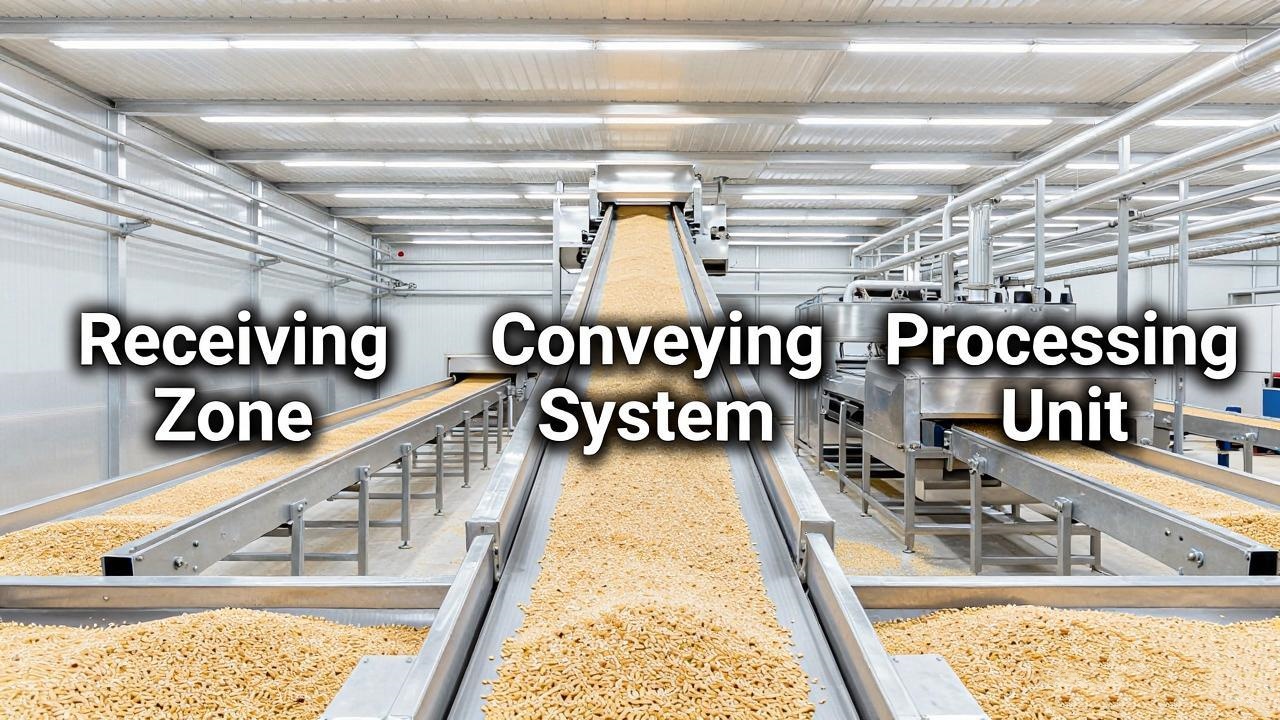
The grain processing facility required a multi-conveyor system capable of handling bulk grain across multiple operational zones within the plant. The engineering team designed an integrated solution comprising multiple conveyor units working in coordination:
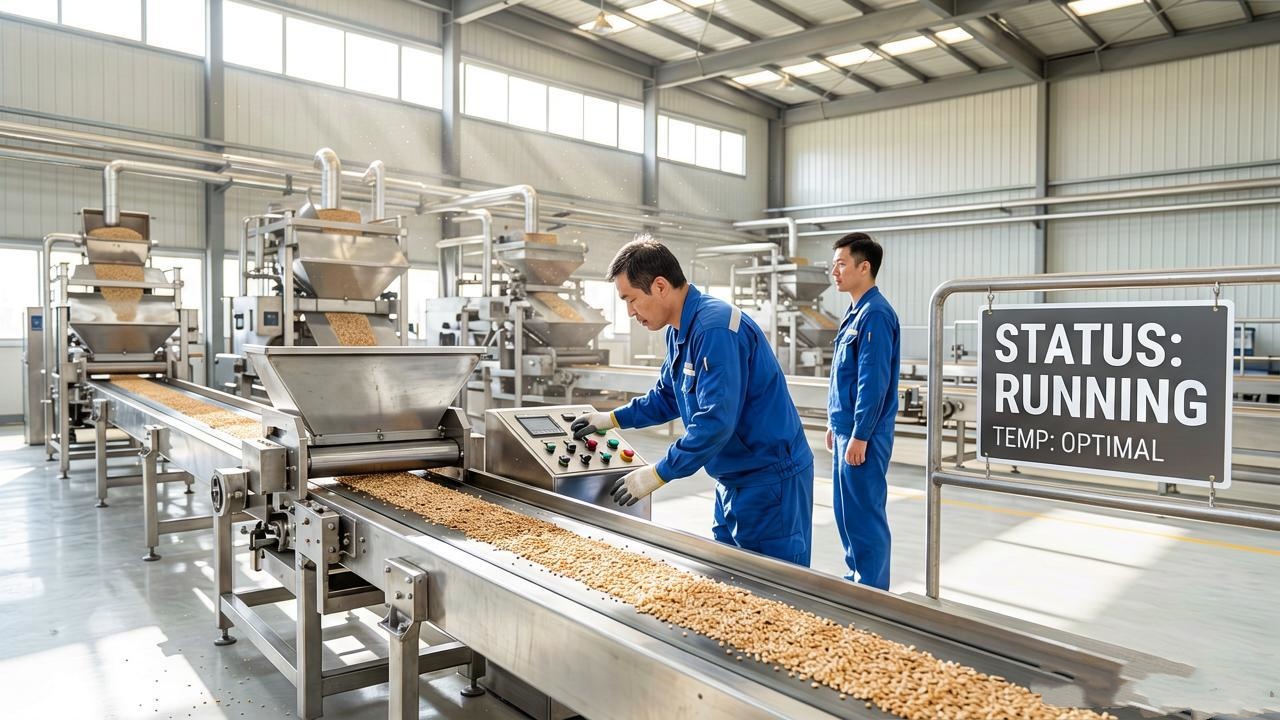
Mobile Belt Conveyor (Primary Unit) – 8-meter long conveyor with wheel-mounted mobility.
Inclined Transfer Section – Elevates grain from ground-level receiving to elevated processing equipment.
Loading and Unloading Station – Dedicated section for truck and storage bin loading operations.
The mobile unit features a welded truss-frame construction that provides adequate strength and rigidity under concentrated loads. Solid rubber wheels with roller bearings ensure smooth mobility without damaging the warehouse floor or the grain itself.
Technical Specifications
| Parameter | Specification |
|---|---|
| Primary Conveyor Length | 8 meters |
| Belt Width | 600 mm |
| Operating Speed | 1.2 m/s |
| Incline Angle | 18° fixed |
| Discharge Height | 1.2 meters |
| Frame Construction | Welded truss, heavy-duty steel |
| Wheel Configuration | Solid rubber wheels with roller bearings; front swivel casters |
| Material Containment | Side guide rails with adjustable feed hopper plates |
| Noise Level | 72 dB at full load |
Control and Automation
Central to this multi-conveyor system is its integrated control infrastructure:
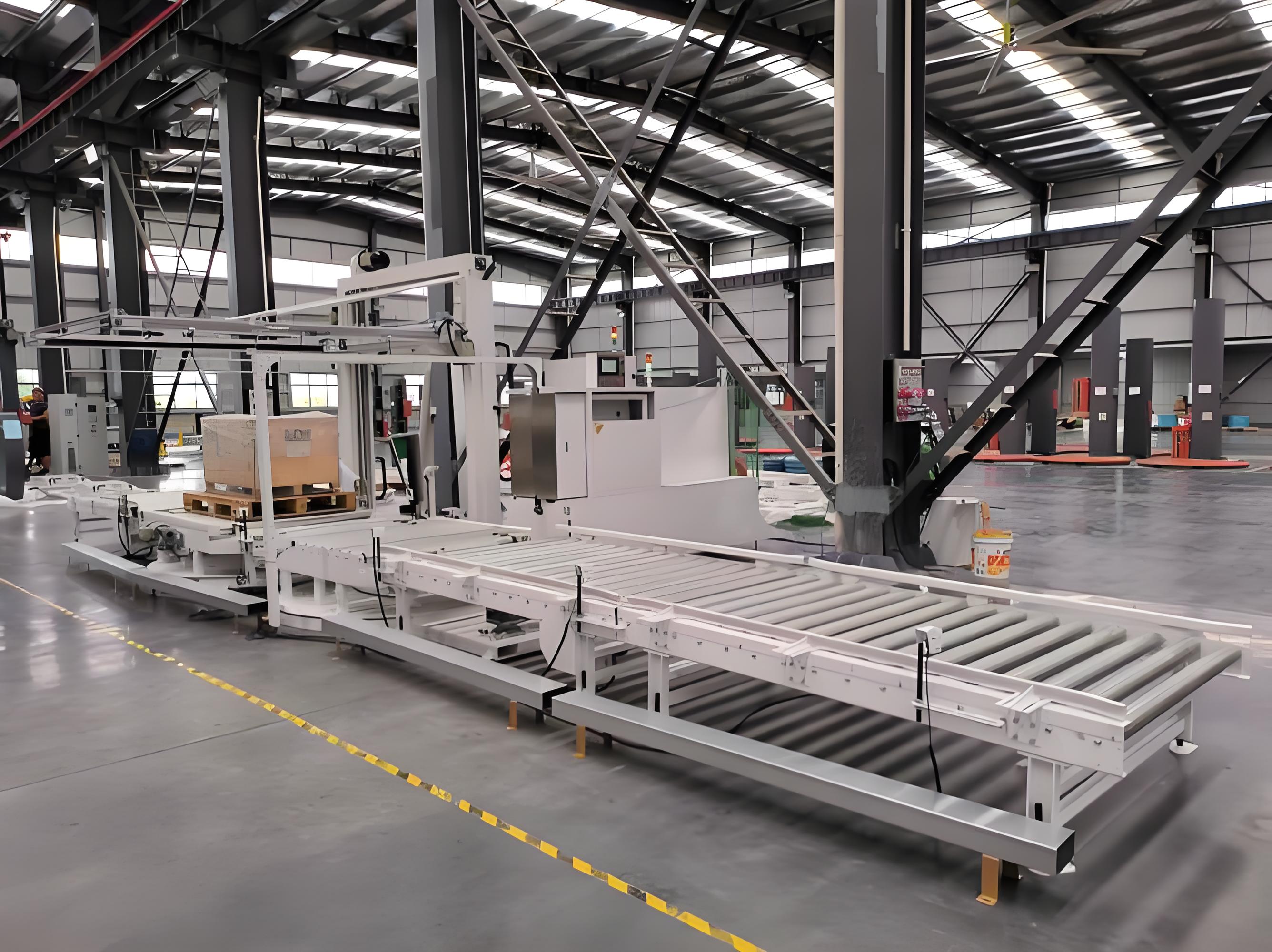
Centralized PLC Control Panel – Houses the main logic controller managing start/stop sequences and speed regulation. The PLC coordinates all conveyor sections to ensure smooth material transfer between units, eliminating bottlenecks at transition points.
Variable Frequency Drives – Enable soft starts that reduce mechanical stress on belts and motors, extending component life. Precise speed adjustments allow operators to match throughput with upstream and downstream equipment.
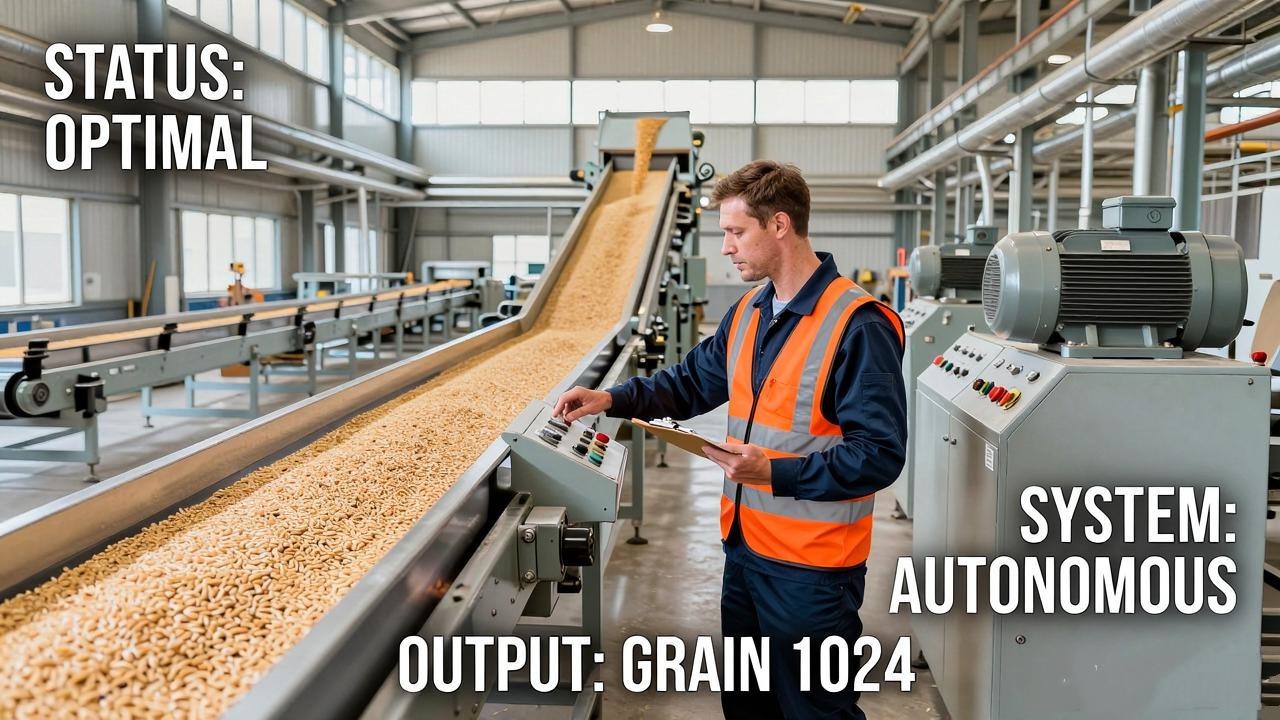
Sensor Network – Belt speed sensors monitor real-time material flow and trigger visual alerts at the control panel for any deviation from normal parameters. Position sensors at the loading station ensure accurate bin filling.
Emergency Stop System – Pull-cord switches positioned along the entire conveyor length provide immediate shutdown capability for operator safety.
Manual Override Controls – Height adjustment and speed selection can be operated manually when fine-tuning is required.
The control architecture allows a single operator to manage grain movement across multiple points in the facility—from storage bin unloading to processing equipment feeding to truck loading—with real-time status monitoring.
Factory Acceptance Testing
The multi-conveyor system was fully assembled and tested at the manufacturing facility prior to shipment. The system underwent multiple inspection cycles to verify:
Full-speed operation with actual grain samples.
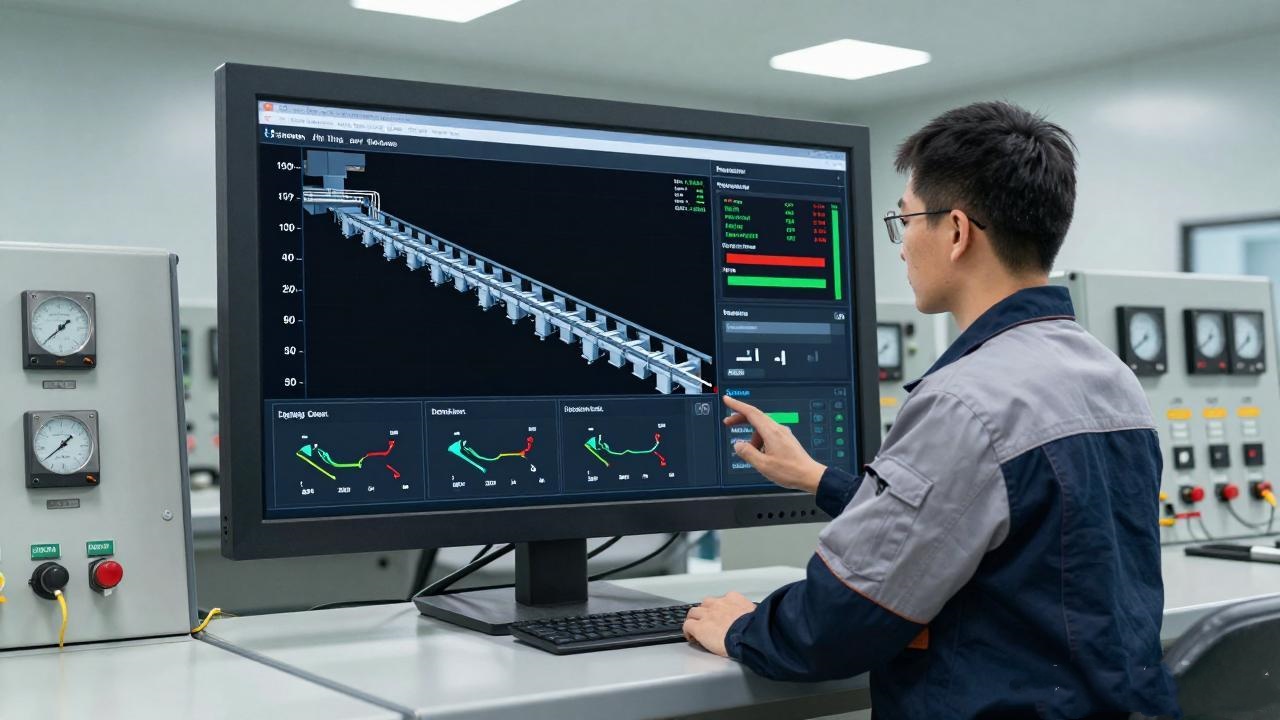
Mobility and positioning functionality across different floor surfaces.
Height adjustment mechanism performance under load.
Spill prevention and material containment validation.
Noise level compliance with indoor workplace standards (sub-75 dB target achieved).
Emergency stop response time verification (under 0.5 seconds).
Control system communication and safety interlock validation.
After passing all quality checks, the system was packaged in wooden crates and shipped via express logistics.
Project Outcomes
Following installation and commissioning at the Kunming facility, the integrated multi-conveyor system delivered measurable improvements:
Operational Flexibility – Serving multiple workstations throughout the facility, eliminating the need for multiple fixed conveyors.
Stable Transport – Consistent, spill-free grain transfer with less than 0.5% material loss during continuous operation.
Labor Reduction – Single-operator control of grain movement across multiple points, reducing manual handling requirements by approximately 60%
Adjustable Throughput – Variable speed and height settings adapt to different processing rates, from 20 to 40 tons per hour.
Quiet Operation – 72 dB noise level ensures a comfortable working environment for plant operators.
The client reported significantly improved production efficiency and confirmed that the equipment delivered as specified.
Why an Integrated Multi-Conveyor System Matters
For grain processing and material handling operations, a properly engineered multi-conveyor system offers advantages that standalone units cannot match:
Operational Flexibility – Mobile conveyor units can be repositioned as production layouts change, eliminating the need for costly fixed infrastructure modifications.
Coordinated Material Flow – Multiple conveyor sections working together ensure continuous grain movement from receiving to processing to loading.
Reduced Manual Labor – Automated material transfer with centralized controls minimizes human intervention and reduces labor costs.
Space Optimization – Mobile configurations allow efficient use of available floor space without permanent installation requirements.
Precision Control – PLC-based coordination, VFDs, and sensor networks enable accurate speed matching between conveyor sections.
About the Engineering Team
The engineering team behind this multi-conveyor system specializes in designing and building custom material handling solutions for grain processing, mining, food, and industrial applications worldwide. Every system is engineered to meet international quality standards and is fully assembled and tested prior to shipment.
Dahan leads the engineering and manufacturing processes, ensuring each multi-conveyor system meets rigorous quality requirements.
For inquiries about a custom multi-conveyor system, contact the engineering team directly. Dahan provides end-to-end service from design and fabrication to installation and after-sales support.