E-mail: sale@xxdahan.com
Follow Us 


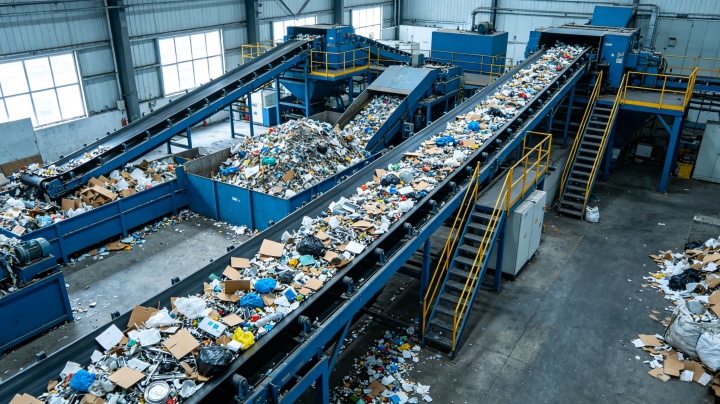
In the recycling industry, a conveyor system is far more than a simple material mover—it is the lifeline of the entire operation. For facilities processing scrap metal and other recyclable materials, the choice of conveyor system directly determines throughput, product purity, and ultimately, profitability. Off-the-shelf conveyors simply cannot withstand the demands of handling heavy, abrasive, and irregularly shaped materials day in and day out.
This article explores why custom-engineered conveyor solutions are essential for modern recycling operations and how the right system design can transform your material processing efficiency.
Recycling environments are among the harshest industrial settings. The materials being conveyed range from sharp-edged scrap metal and bulky construction debris to lightweight plastics and fine glass particles. Standard conveyors—designed for uniform, predictable loads—quickly succumb to belt punctures, drive failures, and excessive wear.
Industry experts emphasize that ignoring the rules of conveyor system design leads to frequent jams, capacity bottlenecks, and costly downtime. A facility processing mixed waste or single-stream recyclables faces material streams that change constantly in composition and density, making adaptability not a luxury but a necessity.
Key takeaway: Generic equipment forces your operation to compromise. Custom systems are engineered to fit your specific materials, plant layout, and production goals—not the other way around.
Understanding the different conveyor types is essential for selecting the right system for each stage of your process.
| Conveyor Type | Primary Application | Key Characteristics |
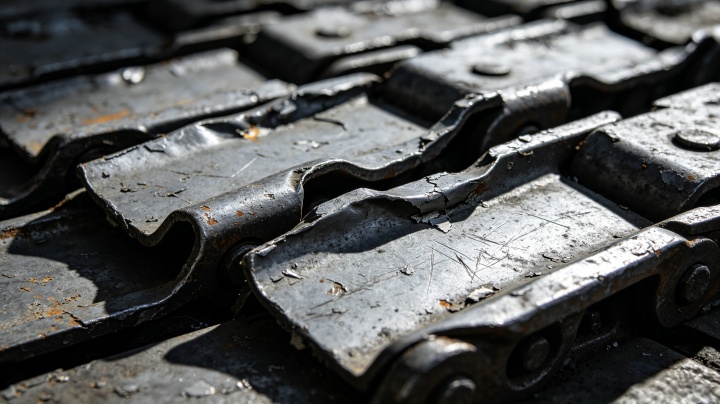
| Chain Belt Conveyors | Heavy-duty infeed, feeding shredders/balers, handling bulky or abrasive scrap | Robust steel construction; bolted segments; handles heavy impact; ideal for scrap metal and C&D debris |
| Slider Bed Conveyors | Transporting lighter, less abrasive materials (e.g., sorted plastics, paper) | Smooth, flat belt surface; lower maintenance for cleaner material streams |
| Picking/Idler Conveyors | Manual or automated sorting stations | Inclined sides for high holding capacity; rubber skirting to contain material; speed adjustable for positive or negative picking |
| Steel Belt / Hinged Belt Conveyors | Moving extremely heavy scrap, sharp-edged metal, or high-temperature materials | Overlapping steel pans bolted to heavy-duty chains; damage-tolerant design; handles up to 300 t/h of heavy scrap |
| Magnetic Conveyors | Moving ferrous metal parts or chips | Vertical or horizontal configurations; no belt to wear out; ideal for CNC machining scrap |
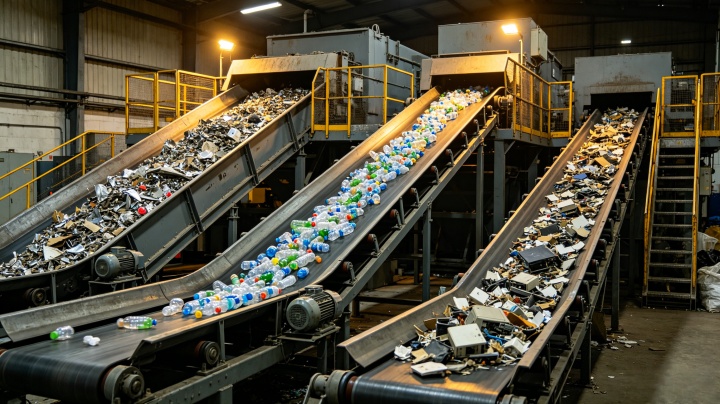
Designing an effective conveyor system requires careful consideration of several factors. According to industry specialists, the conveyor selection process is driven by what you are processing, where the conveyor sits in the system, and how much capacity you require.
Material Characteristics Drive the Design
The single most important factor is the nature of your feedstock. Different materials demand different solutions: Heavy, Abrasive Scrap (e.g., shredded metals, car bodies, steel turnings): Requires heavy-duty chain belt or steel belt conveyors with armor plating, wear-resistant components, and reinforced frames. Some designs use manganese steel pans and special shock-absorbing frames to withstand the impact of falling material.
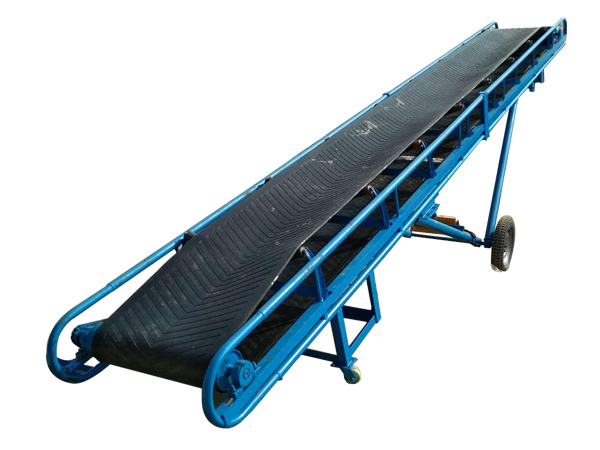
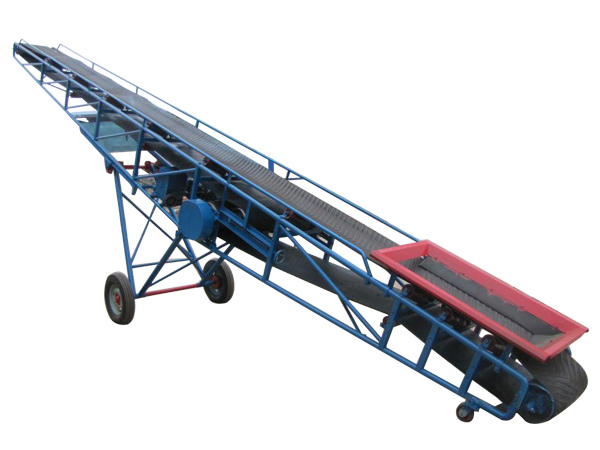
Lightweight, Irregular Materials (e.g., plastic film, packaging waste): Belt conveyors with cleats (textured or rubber) prevent material slippage on inclines.
Materials with Contaminants: Facilities handling mixed waste or C&D debris require more robust conveyors throughout the entire line because the unknown content increases the risk of damage.
Key data point: A study from Carnegie Mellon University found that the average American Material Recovery Facility (MRF) achieves only about 60% of its design throughput, largely due to highly variable material inflow that standard systems cannot accommodate.
Space Constraints and Layout
Space is almost always the biggest challenge when designing or retrofitting a sorting system. Many projects take place within existing facilities where floor space is at a premium. This demands creative solutions such as:
Custom incline/decline angles (up to 35° or steeper)
Curved or articulated belt paths
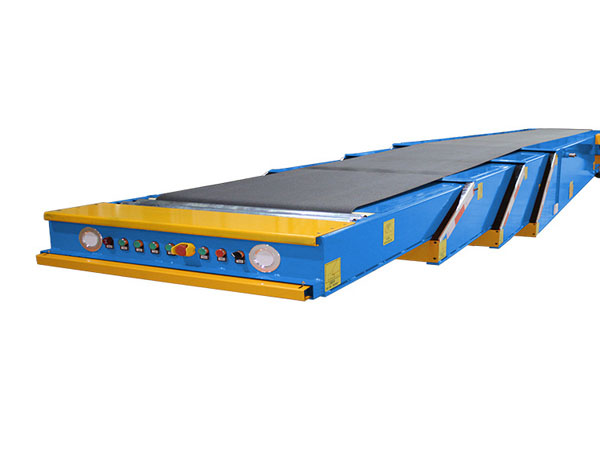
Mobile or modular systems that can be reconfigured
Integration with existing hoppers, balers, and shredders without requiring a facility redesign
Standardization for Maintainability
While the overall system is custom, savvy engineers standardize common wear parts—gears, motors, bearings, and pulleys—across all conveyors in a facility. This simplifies repairs, reduces spare parts inventory, and minimizes downtime. Maintenance is critical, as most recycling facilities operate over 4,000 hours per year, with conveyors constantly subjected to heavy material impact.
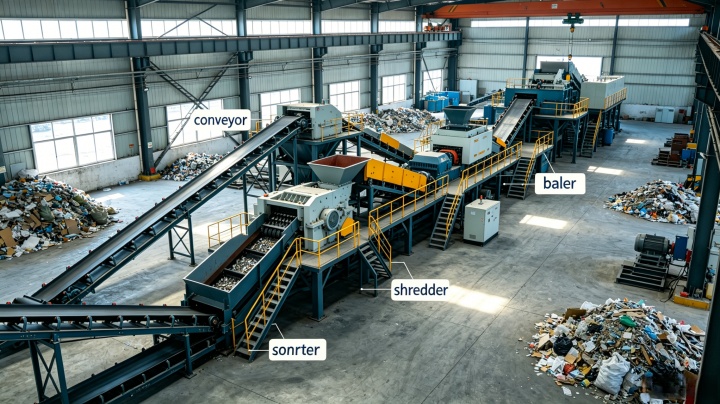
Modern recycling success depends on integrated engineered systems, not just individual components. Conveyors are the first and last link in this chain, and their integration with other equipment determines overall efficiency.
Feeder Conveyors: Setting the Pace
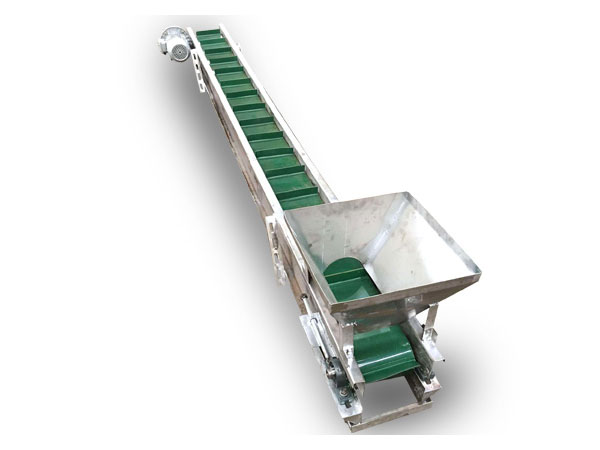
Feeder conveyors, positioned under hoppers, control the flow rate into shredders and granulators. They must provide metered, consistent feed to prevent shock loading—a condition where large amounts of material are introduced too quickly, causing premature component failure. Most use inverter-controlled variable frequency drives (VFDs) for precise speed adjustment, especially when handling irregular materials like construction waste.
Transfer and Discharge Conveyors: Maintaining Flow
Between processing stages, transfer belts move material without interruption. Speed matching between conveyors is essential to prevent material buildup and jams. After shredding, discharge conveyors carry processed scrap to separation equipment, storage, or baling presses.
Value-added integration: Conveyors can be equipped with magnetic pulleys, drum magnets, or eddy current separators to remove ferrous and non-ferrous metals as material moves along the line—seamlessly combining transport with sorting.
Picking Conveyors: Quality Control
Manual or automated sorting stations rely on picking conveyors with adjustable speeds. Slower speeds support positive picking (removing target materials), while faster settings suit negative picking (removing only specific contaminants).
Belt speed directly affects the quality of the final recycled product—higher purity means higher market value.
A custom conveyor system is defined by its ability to match your operation's unique requirements. Common customization options include
Belt types: Heat-resistant, oil-resistant, anti-static, or food-grade materials
Frame finishes: Galvanized or painted (customer-specified color)
Optional components: Drip oilers, protective covers, dust extraction hoods, sound tunnels for noise reduction
Weighing systems: Integrated load cells for real-time material rate measurement and process control
Safety features: Guards, belly pans, tail guards, and head guards compliant with OSHA standards to protect workers from dangerous areas
In the demanding world of scrap metal and recyclable materials processing, a custom-engineered conveyor system is not an expense—it is an investment in productivity, safety, and profitability. Standard conveyors are a compromise that leads to downtime, lost production, and reduced profit margins.
By carefully analyzing your material stream, facility layout, and capacity requirements, a custom solution delivers:
Maximum throughput with minimal interruptions
Reduced labor costs through automation of material transport
Improved product purity via integrated sorting and controlled material flow
Long-term durability built to withstand the toughest conditions
Contact us today to discuss your specific recycling application. Tell us about your materials, throughput goals, and facility constraints—we will design a custom conveyor system that delivers reliable performance and measurable ROI. We offer comprehensive support from initial planning and engineering through fabrication, installation, and ongoing maintenance.
Request a free consultation and site evaluation now.
CONTACT
WhatsApp:+86 18339211009
Email:sale@xxdahan.com
Add:China, Henan Province, Xinxiang City.Yanjin county forest park gate to the west 1000 meters north road