E-mail: sale@xxdahan.com
Follow Us 


Rubber and PVC conveyor belts can both be used in paper manufacturing, but they are suited to different operating conditions. Rubber is generally considered for heavy loads, abrasive materials, and impact-intensive conveying, while PVC can be suitable for lighter applications where flexibility and lower belt weight are important. Actual performance depends on the specific belt construction and operating conditions.
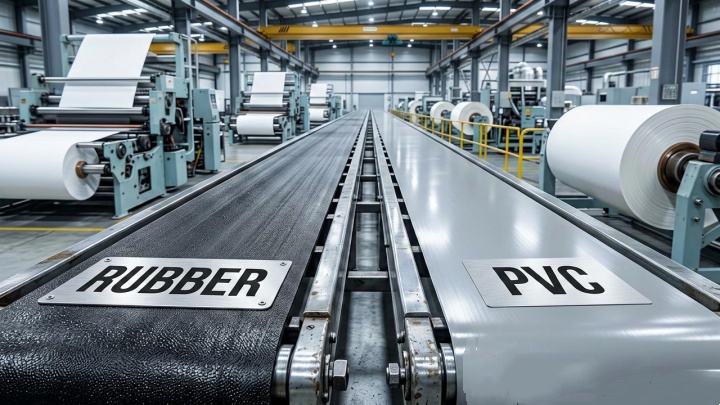
For a paper mill, the question is therefore not simply which material is better, but which belt construction is appropriate for each conveying stage.
| Selection Factor | Rubber Conveyor Belt | PVC Conveyor Belt |
|---|---|---|
| Heavy bulk material | Well suited | Better for light-to-medium duties |
| Impact loading | Well suited to demanding loading | More limited under severe impact |
| Abrasion | Generally high | Moderate to high, depending on construction |
| Belt weight | Higher | Lower |
| Flexibility | Depends on construction | Generally high |
| Moisture | Good, depending on construction | Generally good |
| Temperature | Compound dependent | Formulation dependent |
| Chemical exposure | Compound dependent | Formulation dependent |
| Long-distance bulk conveying | Well suited | More application dependent |
| Finished-paper handling | Suitable where load requires it | Often suitable for light-to-medium loads |
| Total cost | Application dependent | Application dependent |
Material alone does not determine belt performance. Reinforcement, cover properties, thickness, pulley arrangement, belt tension, and operating conditions should also be considered.
A paper mill can contain several conveying stages with different operating conditions. Raw-material handling may involve impact and abrasion, while pulp handling introduces moisture and possible chemical exposure. Finished-paper and packaging sections generally have lower mechanical demands.
As a result, the appropriate belt material can differ from one process stage to another.
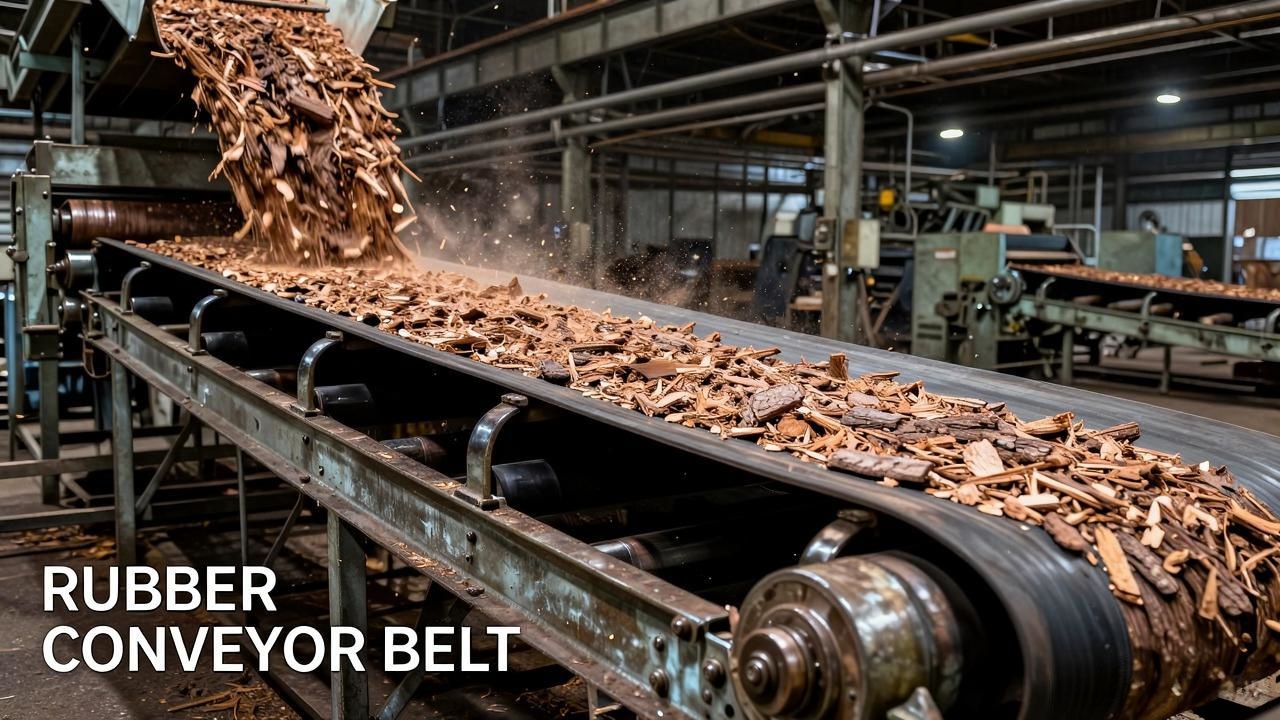
Rubber conveyor belts are generally considered for demanding applications involving heavy bulk materials, abrasion, impact, or high conveying capacity.
Typical examples include wood chips, bark, recovered paper, and other demanding raw-material handling sections.
For these applications, the rubber conveyor belt should be selected according to tensile capacity, cover grade, belt thickness, temperature, chemical exposure, conveyor geometry, and loading conditions.
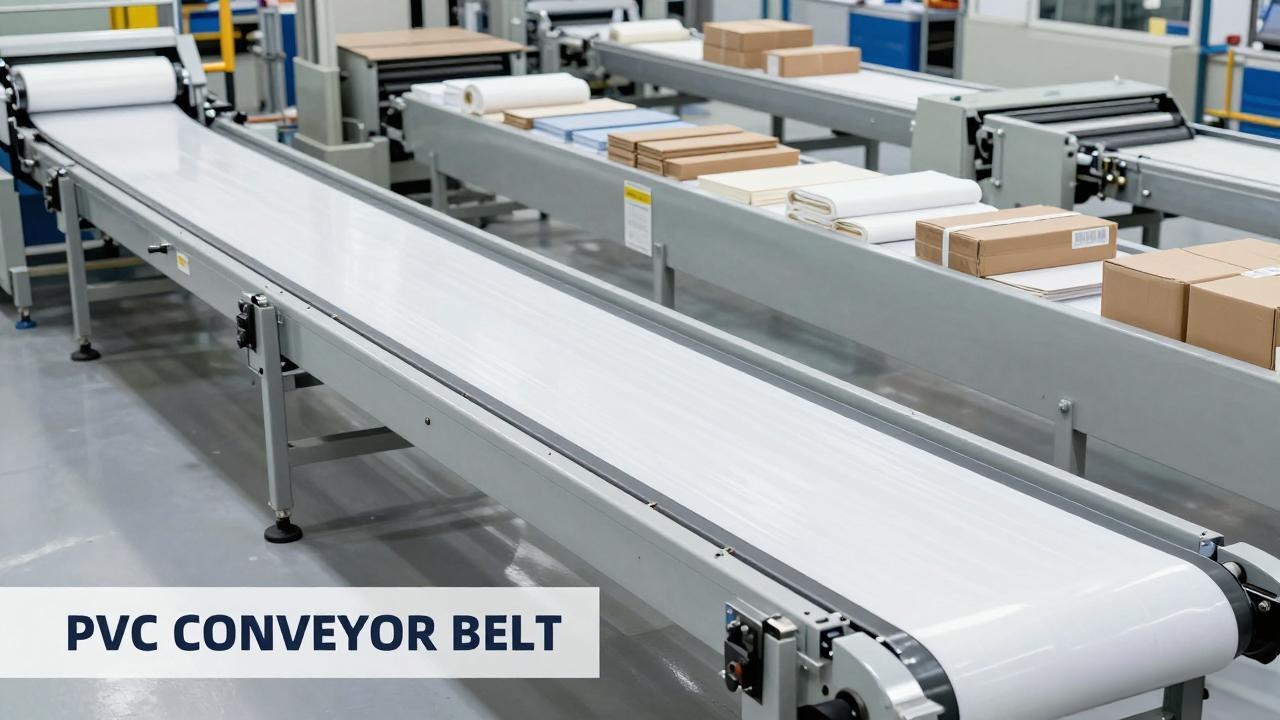
PVC conveyor belts can be suitable for light-to-medium conveying duties. Their relatively low weight and flexible construction can be useful in product-transfer and packaging sections.
Typical applications include finished-paper transfer, carton handling, packaging, and other lighter conveying duties.
The selected PVC belt should still be checked for load, speed, temperature, chemical exposure, pulley diameter, and other operating requirements.
Heavy bulk materials place greater demands on belt strength, reinforcement, splicing, and the conveyor drive system.
Impact is particularly important where material falls from a chute or hopper onto the belt. Wood chips, bark, and contaminated recycled material can also increase abrasion.
For demanding loading and abrasive conditions, an appropriate rubber construction is generally a stronger starting point. PVC can be suitable when mechanical stress remains within its specification.
Wet-process areas can expose conveyor belts to water, pulp, and frequent cleaning.
PVC can be suitable for some wet conveying applications, while rubber can also perform well when the appropriate compound and construction are selected.
Moisture alone should not determine the belt choice. Cleaning method, temperature, chemicals, drainage, and belt construction should also be considered.
The actual material and ambient temperatures should be compared with the operating range of the selected belt.
Some rubber compounds are available for elevated-temperature applications, while standard PVC constructions generally have more limited temperature capability.
Paper manufacturing can involve process chemicals, coatings, oils, cleaning agents, and other substances.
Chemical compatibility depends on the substance, concentration, temperature, exposure time, and belt formulation. The selected belt should therefore be checked against the manufacturer's material data.
Higher belt speeds and longer conveyors can increase demands on belt tension, tracking, splicing, pulleys, and other conveyor components.
Pulley diameter should also remain within the requirements of the selected belt construction.
Cover material is only one part of belt selection. Carcass type, reinforcement, belt thickness, cover grade, splice method, and pulley requirements should also match the conveyor duty.
Two belts made from the same basic material can perform differently because of their construction.
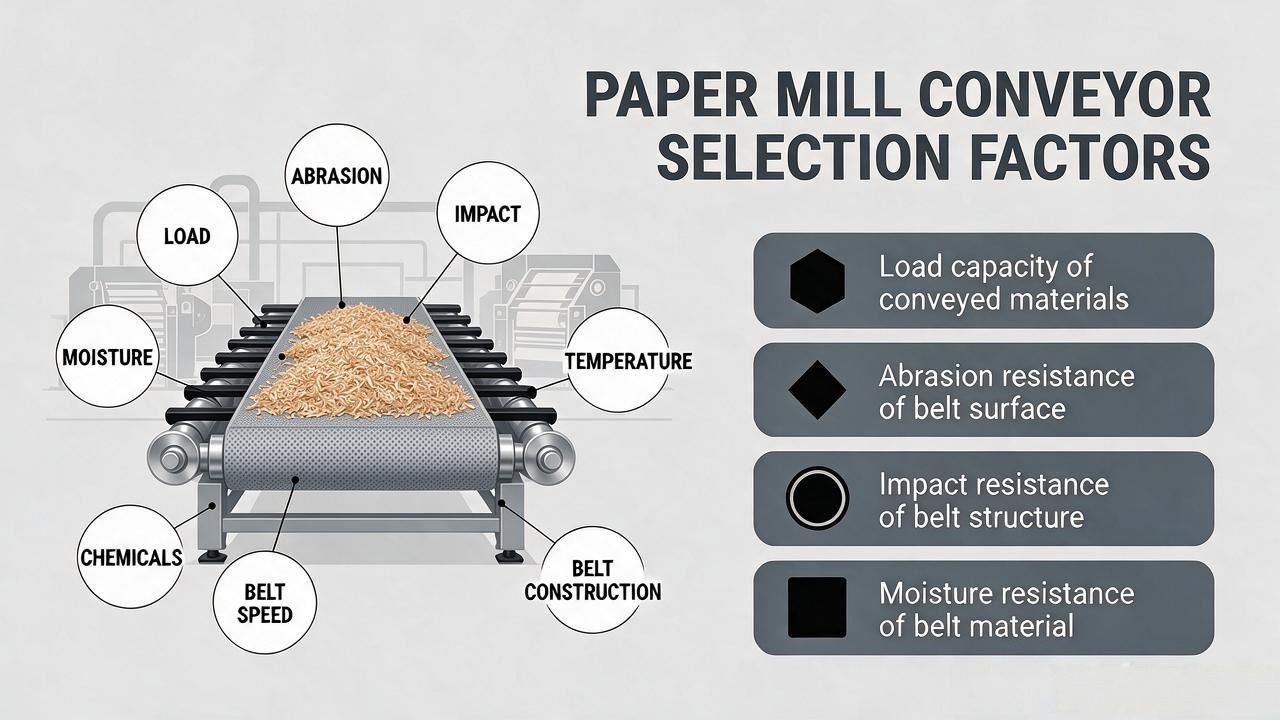
Selecting the belt according to the production stage is more practical than using one material throughout the entire mill.
| Paper-Mill Process | Typical Material | Main Concern | Selection Direction |
|---|---|---|---|
| Raw-material handling | Wood chips, bark | Impact, abrasion, capacity | Rubber is often considered |
| Recovered-paper handling | Recycled paper | Contaminants, impact, tearing | Rubber or application-specific |
| Pulp handling | Wet pulp | Moisture, chemicals, temperature | Application dependent |
| Finished-paper transfer | Paper products | Stable transfer | PVC or application-specific |
| Carton and packaging | Cartons, paper products | Light-to-medium loads | PVC can be suitable |
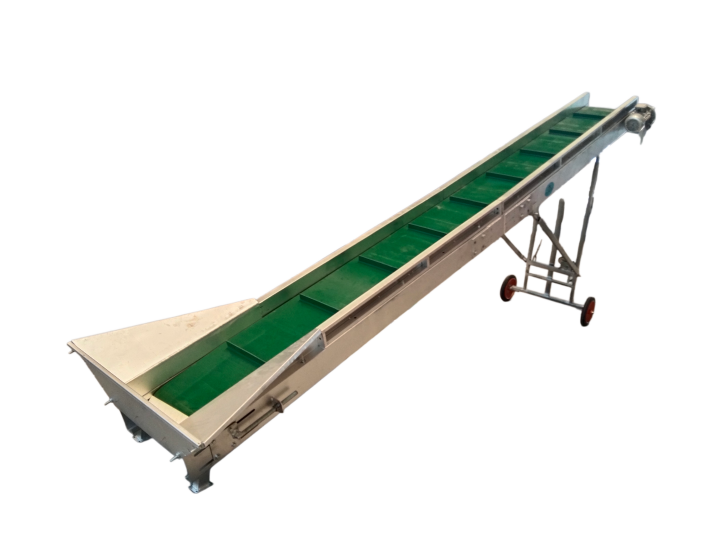
A paper mill may therefore use different belt constructions in different areas.
Wood chips can create repeated impact and abrasion, especially at loading and transfer points.
For heavy wood-chip conveying, rubber is generally the first material direction to evaluate. Capacity, drop height, belt speed, and cover requirements should also be considered.
Wet pulp requires more than a simple rubber-versus-PVC comparison.
Pulp consistency, temperature, chemical exposure, cleaning method, load, and conveyor design should be evaluated before selecting the belt.
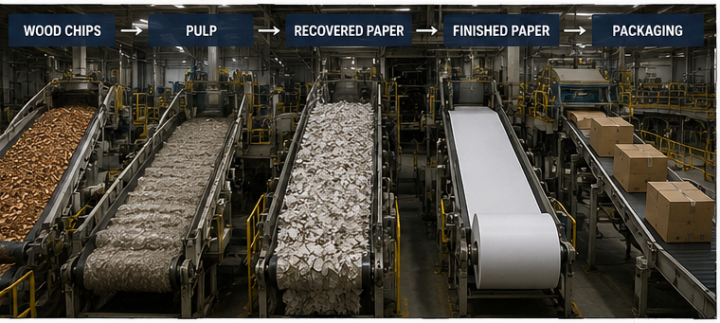
Recovered paper can contain wire, plastics, cardboard fragments, and other contaminants that increase the risk of cuts, impact, and abrasion.
Rubber may be preferable for demanding recovered-material handling, while lighter sections can use another suitable belt construction.
Finished paper is generally less abrasive than raw bulk materials, but paper rolls can create concentrated loads.
Selection should consider roll weight, belt width, speed, loading conditions, pulley diameter, and surface requirements.
PVC can be suitable for light-to-medium finished-paper conveying when its specifications match the application.
| Cost Factor | Rubber | PVC |
|---|---|---|
| Initial price | Application dependent | Often economical for light duty |
| Belt weight | Higher | Lower |
| Abrasive service | Often advantageous | More application dependent |
| Impact service | Often advantageous | More limited in severe duty |
| Total cost of ownership | Depends on operating conditions | Depends on operating conditions |
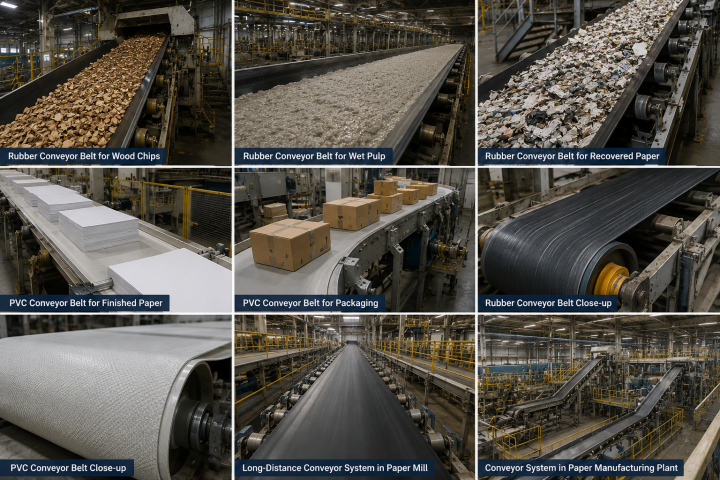
The lowest purchase price is not necessarily the lowest operating cost. Service life, replacement frequency, maintenance, and production downtime should be considered together.
Some paper-manufacturing applications may require a belt construction other than standard rubber or PVC.
Special consideration may be necessary for very high temperatures, specific chemical exposure, high-speed paper converting, unusual surface requirements, or severe cut and gouge conditions.
Specialty-coated belts, machine tapes, PU belts, and other constructions can be considered when standard rubber or PVC does not meet the application requirements.
Before selecting or quoting a conveyor belt for a paper mill, provide the main operating conditions.
| Parameter | Information |
|---|---|
| Conveyed material | Wood chips, pulp, recovered paper, finished paper, cartons, etc. |
| Capacity | t/h or kg/h |
| Belt width | mm |
| Belt speed | m/s |
| Conveyor length | m |
| Inclination | ° |
| Temperature | °C |
| Moisture | Dry, damp, wet, or washdown |
| Impact / abrasion | Low, medium, or high |
| Chemical exposure | Type and concentration where applicable |
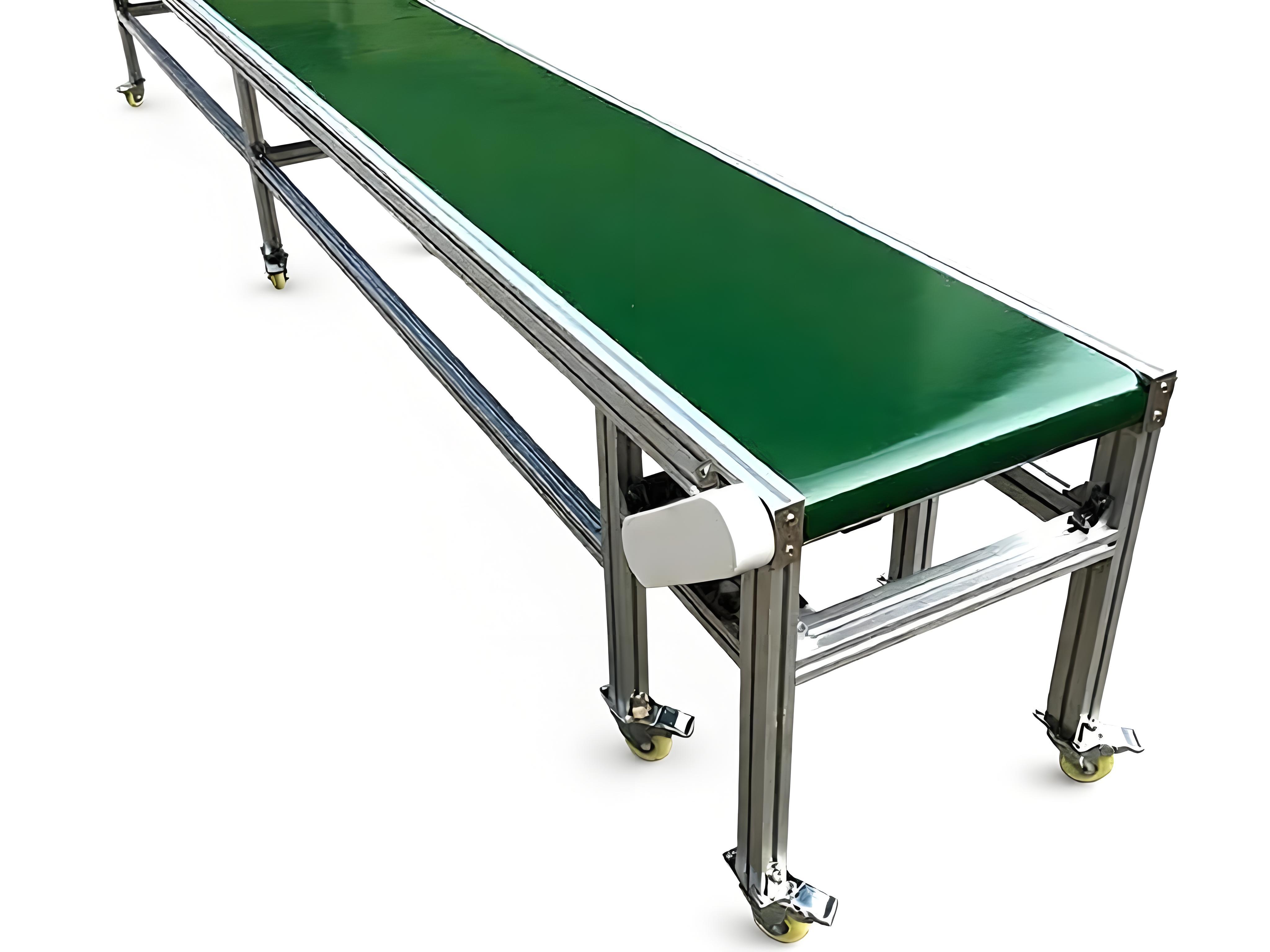
These details allow the belt to be selected according to the actual conveyor rather than the industry name alone.
Heavy, abrasive, or impact-intensive material: Start by evaluating a suitable rubber construction.
Light-to-medium and relatively clean conveying: PVC may be suitable when its load, temperature, speed, and environmental ratings match the application.
Special temperature, chemical, or processing requirements: Evaluate the exact belt formulation or consider another belt construction.
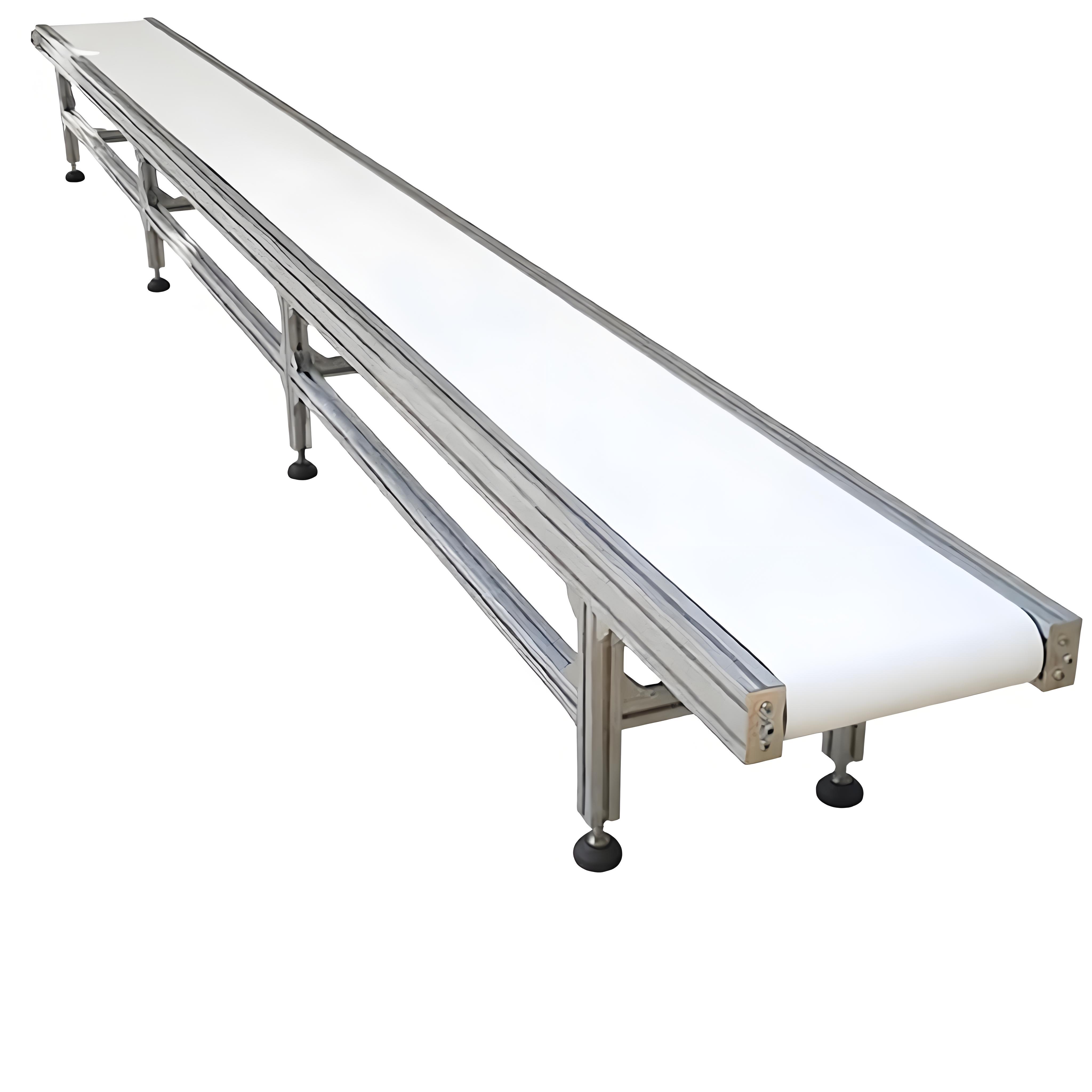
There is no single conveyor belt material suitable for every paper-mill application.
Rubber is generally the stronger starting direction for wood chips, bark, heavy recovered materials, abrasive bulk conveying, impact loading, and demanding raw-material handling.
PVC can be suitable for finished-paper transfer, cartons, packaging, and other light-to-medium conveying sections where flexibility and lower belt weight are useful.
Wet pulp, chemical exposure, elevated temperatures, and specialized paper converting require closer evaluation of the exact belt construction.
The final selection should therefore be based on actual operating conditions rather than the belt material name alone.
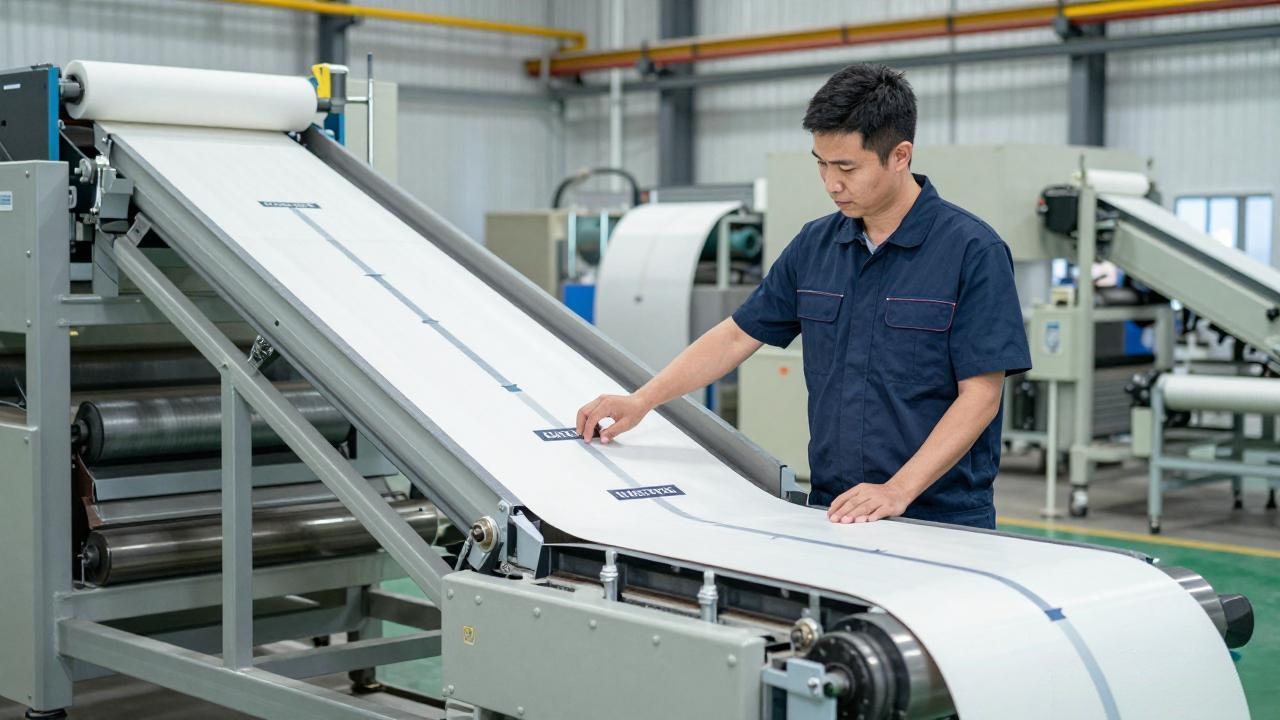
For a technical evaluation or quotation, provide:
Conveyed material + capacity + belt width + belt speed + conveyor length + inclination + temperature + moisture + impact/abrasion + chemical exposure.
These operating conditions can be used to determine the appropriate belt construction, cover characteristics, reinforcement, and material direction.
Dahan can evaluate the working conditions and recommend a suitable conveyor belt configuration for the paper-manufacturing application.
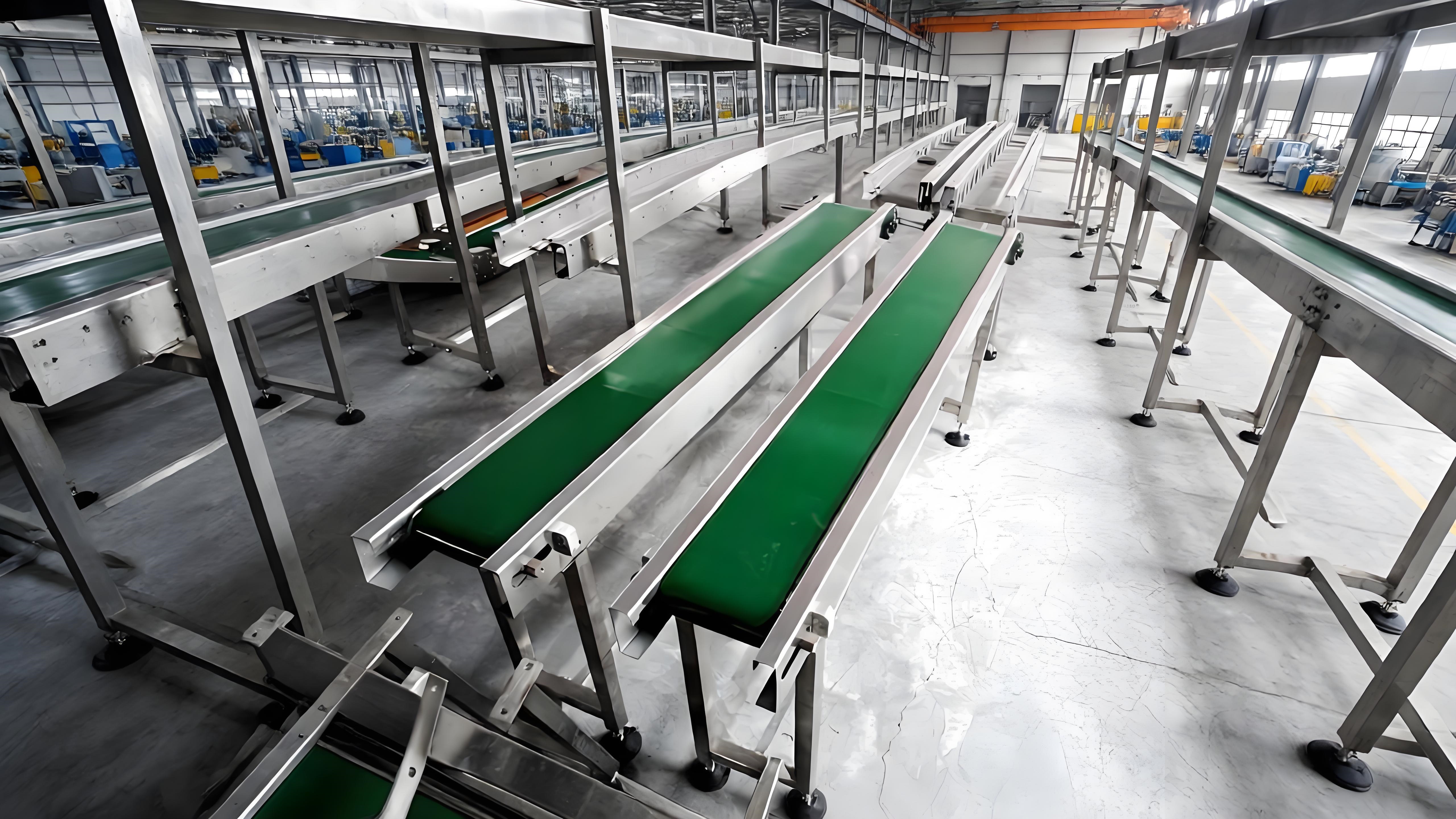
Rubber is generally more suitable for heavy, abrasive, and impact-intensive conveying. PVC can fit lighter paper handling and packaging applications. The actual operating conditions should determine the final belt construction.
Yes. PVC belts can be used for finished-paper transfer, carton handling, packaging, and other light-to-medium conveying applications when the belt specifications match the conveyor.
Rubber is generally the first material direction to evaluate because wood-chip conveying can involve abrasion, impact, and heavy bulk loading.
PVC can be considered for some wet conveying duties, but moisture alone is not enough to determine the selection. Pulp temperature, chemical exposure, consistency, cleaning method, and load should also be reviewed.
Useful information includes conveyed material, capacity, belt width, speed, conveyor length, inclination, temperature, moisture, impact, abrasion, and chemical exposure.
CONTACT
WhatsApp:+86 18339211009
Email:sale@xxdahan.com
Add:China, Henan Province, Xinxiang City.Yanjin county forest park gate to the west 1000 meters north road