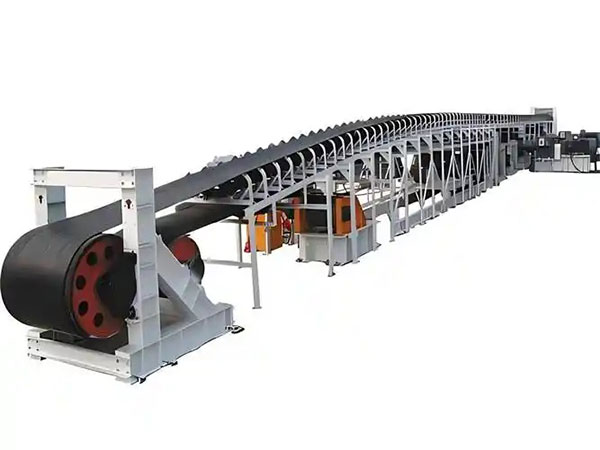
Conveyor Belt Maintenance Guide for Cement and Mining Plants
Conveyor belt maintenance guide offers practical inspection schedules, fault troubleshooting and safety operation advice for heavy-duty belts working in cement and mining environments.- High abrasion resistance
- Good impact resistance
- Heavy-duty performance
- Continuous operation
Conveyor belts in cement and mining plants operate under abrasive materials, heavy loads, impact, dust, and continuous working conditions. This conveyor belt maintenance guide for cement and mining plants provides practical information for routine inspection, common belt problems, and maintenance decisions.
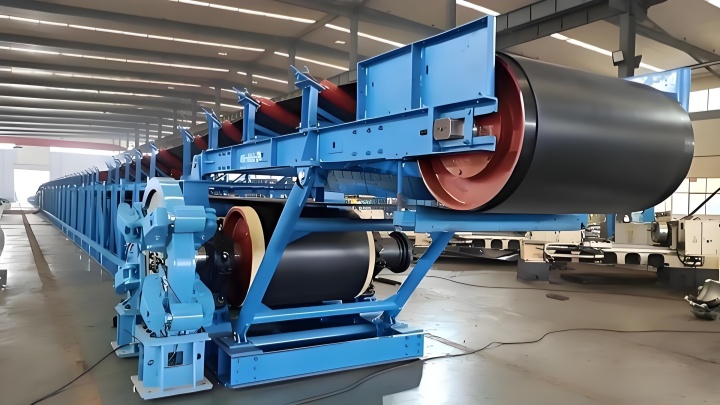
Conveyor Belt Inspection
A useful conveyor belt maintenance guide for cement and mining plants should begin with the belt and the components that directly affect its operation.
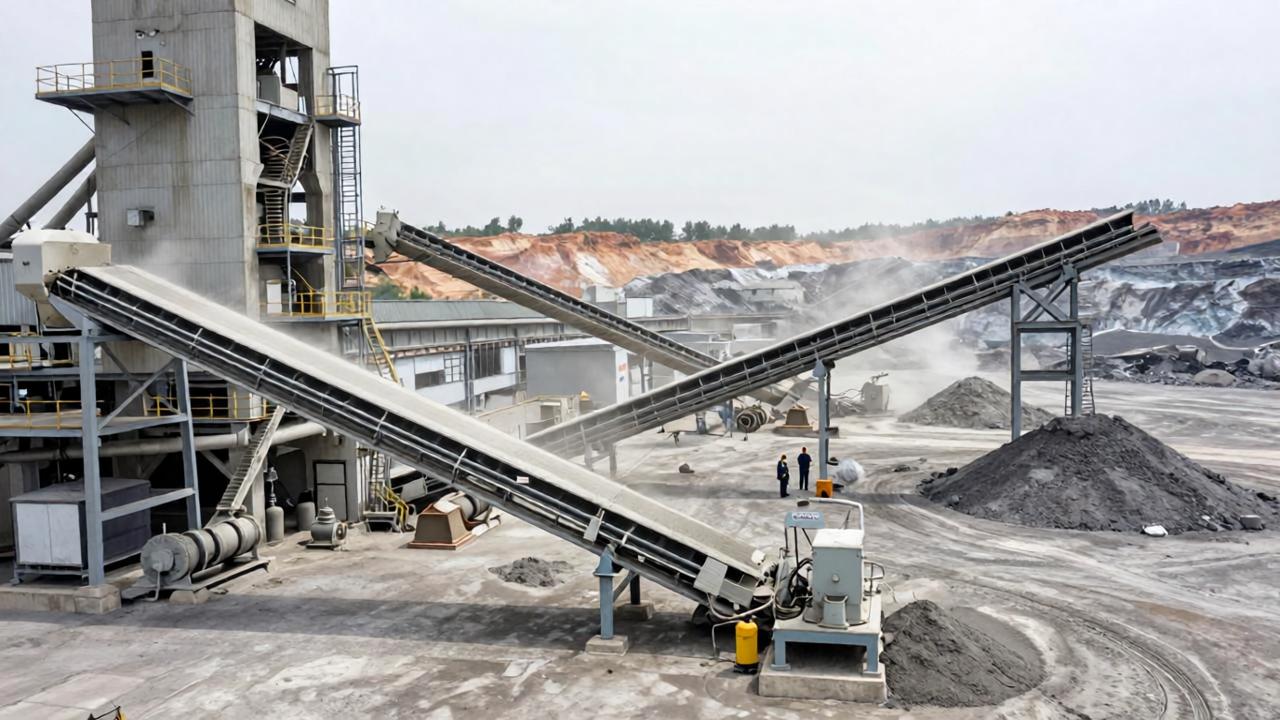
Belt Condition and Tracking: Inspect the belt for cuts, cracks, abrasion, edge damage, exposed reinforcement, and localized wear. If the belt mistracks, check the loading point, idlers, pulley alignment, material buildup, tension, skirting, splice alignment, and conveyor structure.
Idlers, Pulleys and Splices: Inspect idlers and pulleys for abnormal noise, vibration, heat, restricted rotation, buildup, or surface damage. Check splices for separation, cracking, deformation, and alignment problems. Belt cleaners should maintain effective contact without excessive wear.
Conveyor Belt Maintenance Schedule
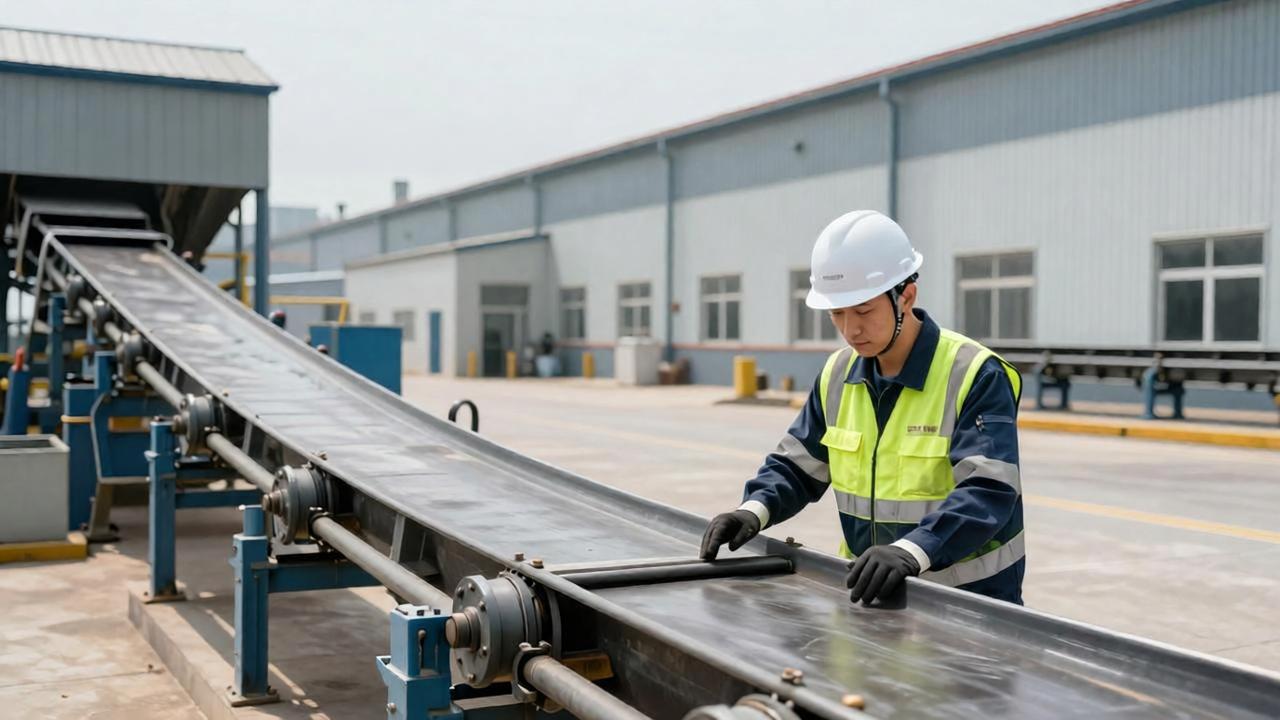
A practical conveyor belt maintenance guide for cement and mining plants should organize inspections according to operating conditions, conveyor duty, material characteristics, and running hours.
| Frequency | Main Checks |
| Daily / Shift | Belt condition, tracking, idlers, pulleys, cleaners, carryback and loading points |
| Weekly | Splices, tension, cleaners, skirting and material buildup |
| Monthly | Belt wear, drive system, take-up system and recurring problems |
| Periodic | Detailed belt, component, structure and safety inspection |
Common Conveyor Belt Problems
The most useful conveyor belt maintenance guide for cement and mining plants should help maintenance personnel connect visible belt problems with their likely causes.
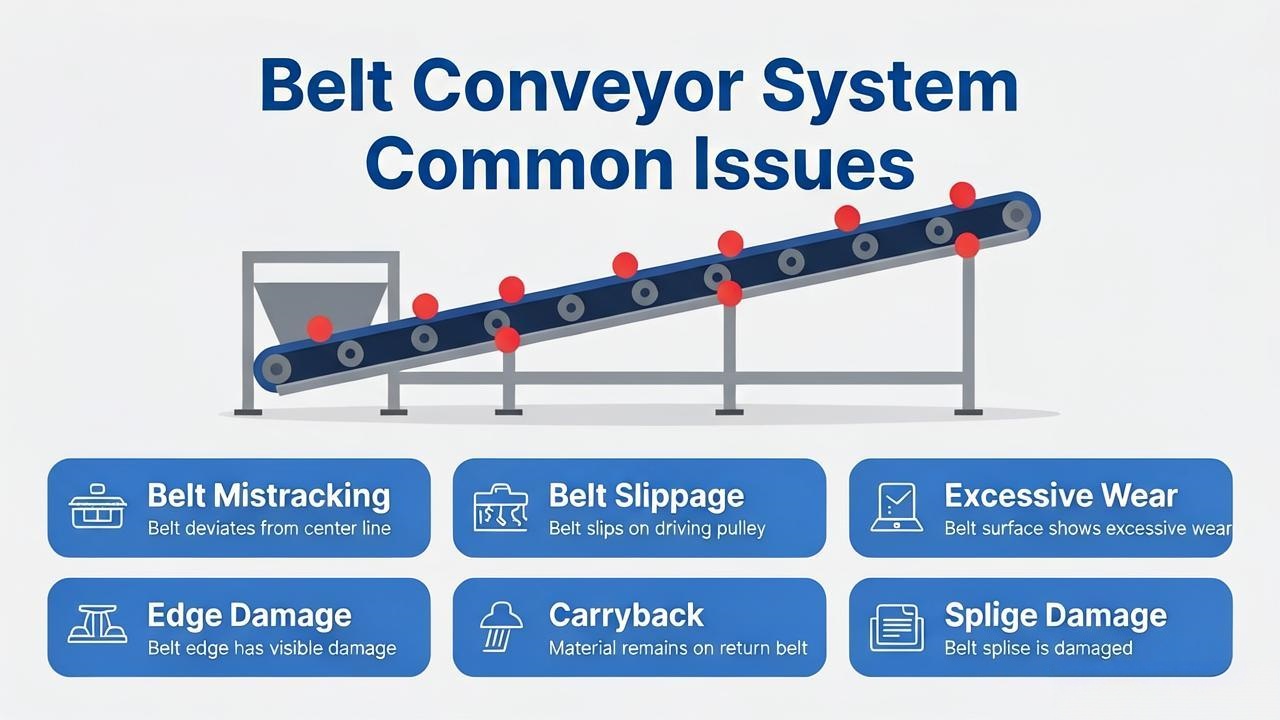
When the same failure repeatedly occurs in one location, investigate the operating condition rather than repeatedly replacing the damaged component.
| Problem | Common Causes | Check First |
| Mistracking | Misalignment, uneven loading or material buildup | Idlers, pulleys and loading point |
| Slippage | Low tension, overload or contamination | Drive pulley and take-up system |
| Excessive Wear | Abrasion, impact or misalignment | Belt surface and loading point |
| Edge Damage | Mistracking or contact with structure | Belt tracking and conveyor frame |
| Carryback | Cleaner wear or poor adjustment | Cleaner and transfer point |
| Splice Damage | Tension, impact or joining problems | Splice area |
Maintenance in Cement Plants
Maintenance should therefore focus on abrasion, impact, temperature, dust, and material buildup according to the actual plant conditions.
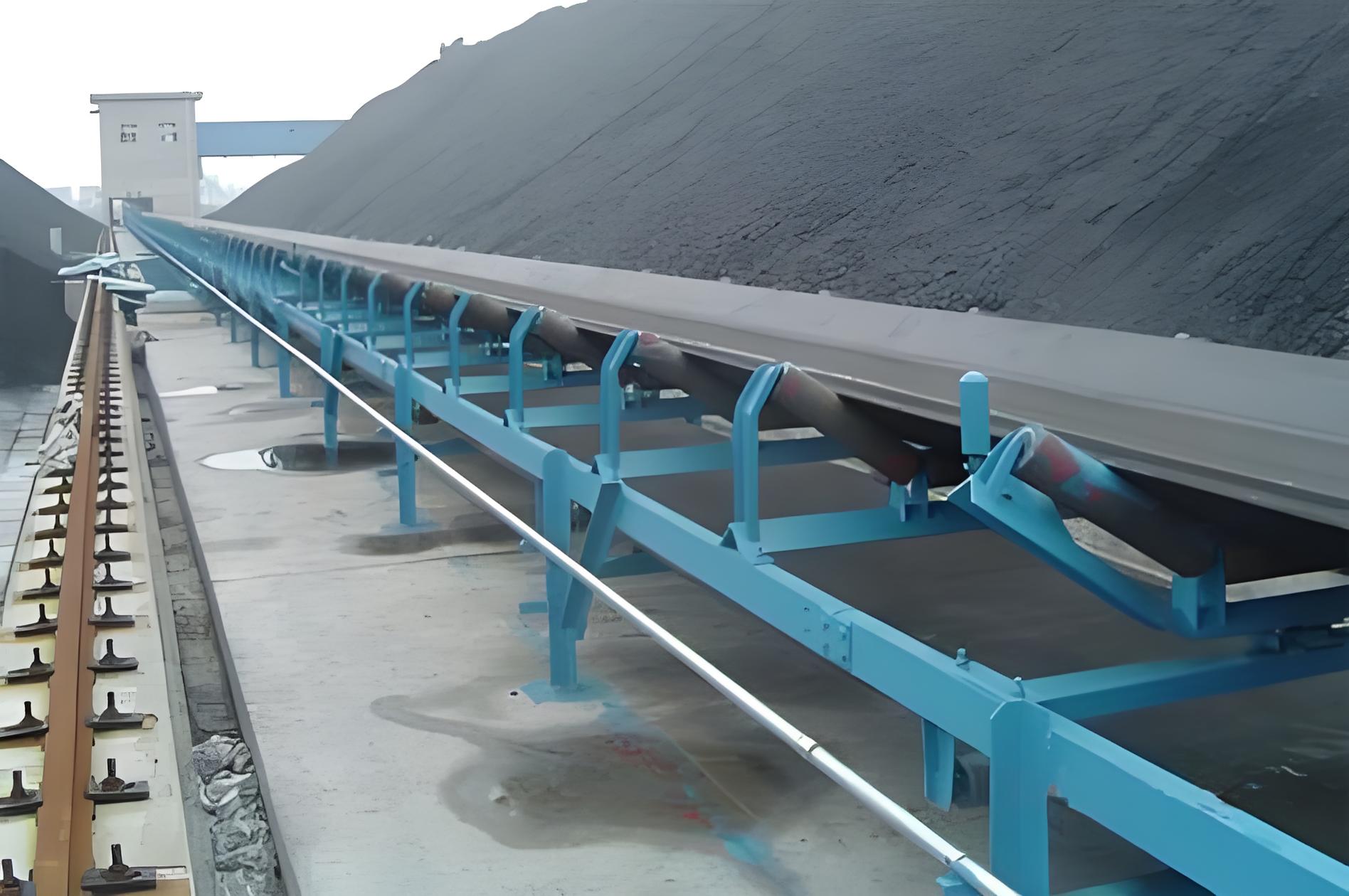
For cement applications, the conveyor belt maintenance guide for cement and mining plants focuses on common conditions associated with limestone, clinker, cement dust, abrasion, impact, and elevated material temperatures.
| Material / Condition | Maintenance Focus |
| Limestone | Monitor abrasion, impact and localized wear around loading points |
| Clinker | Pay attention to heat-related belt deterioration where elevated temperatures are present |
| Cement Dust | Check buildup around pulleys, idlers, cleaners and transfer points |
Maintenance in Mining Plants
For mining applications, the conveyor belt maintenance guide for cement and mining plants focuses on abrasive ore, large material, heavy loads, high-capacity conveying, and long conveyor runs.
| Operating Condition | Maintenance Focus |
| Abrasive Ore | Monitor belt wear and inspect loading areas for localized abrasion |
| Large and Heavy Material | Check transfer points for cuts, gouges, impact damage and uneven loading |
| Long Conveyors | Pay close attention to tracking, idlers, pulleys, splices and take-up systems |
| High-Capacity Conveying | Monitor loading conditions, belt tracking and drive performance |
When Should a Conveyor Belt Be Repaired or Replaced?
A practical conveyor belt maintenance guide for cement and mining plants should distinguish between localized damage and widespread deterioration.
| Condition | Recommended Consideration |
| Localized Cuts or Cover Damage | Evaluate whether the affected area can be repaired |
| Edge Damage | Check tracking and structural contact before deciding on replacement |
| Splice Problems | Inspect tension, alignment and joining condition |
| Extensive Wear or Cracking | Consider replacement when continued operation becomes unreliable |
| Repeated Failures | Investigate the operating condition and root cause |
If damage repeatedly occurs in the same location, investigate loading, tracking, tension, impact, or component problems before replacing the belt.
Conveyor Belt Maintenance Safety
Mining conveyors can experience severe wear because of abrasive materials and heavy loading. Repeated damage should therefore be investigated rather than treated only as an isolated belt failure.
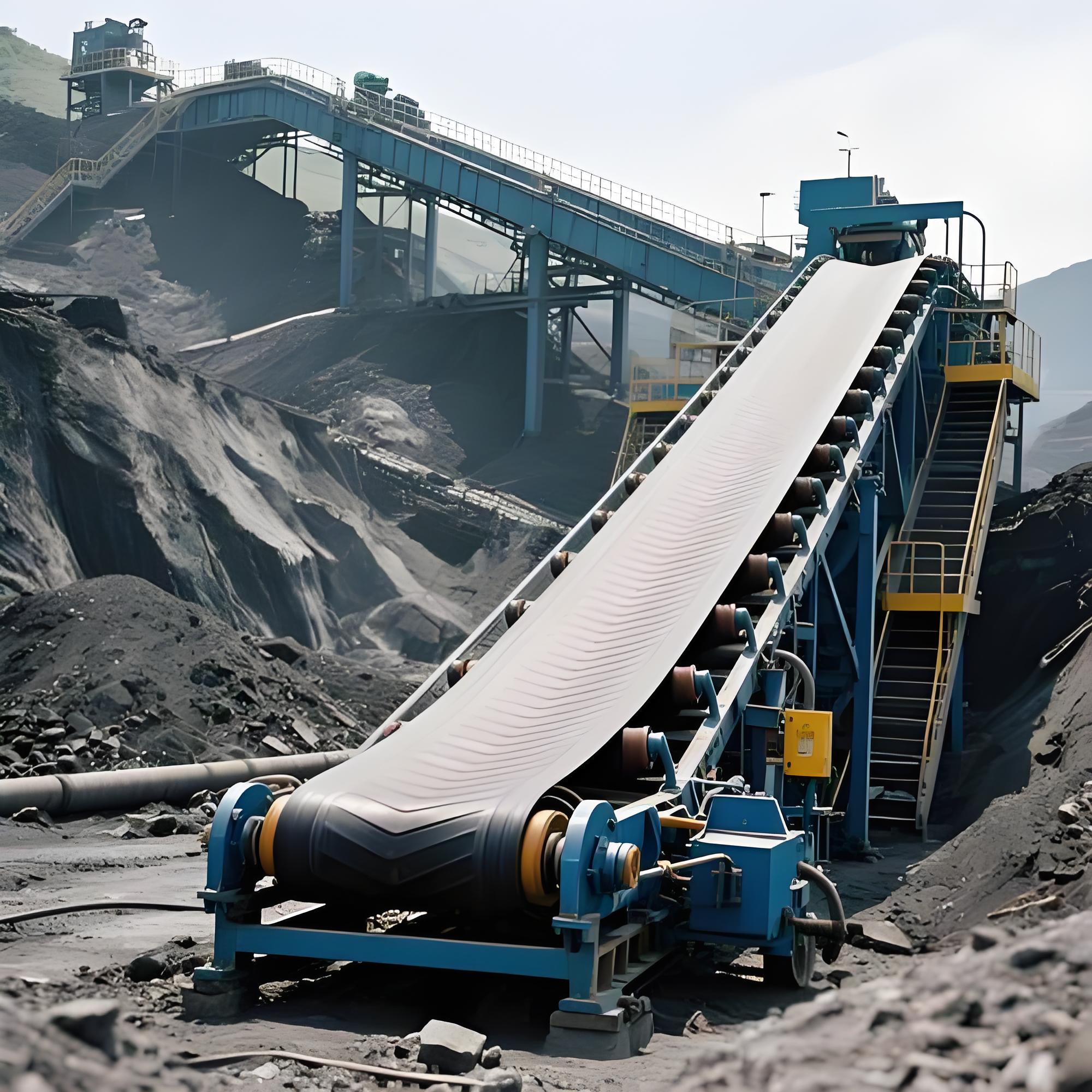
Safety is an essential part of any conveyor belt maintenance guide for cement and mining plants. Before inspection or repair, follow the plant's approved isolation procedure.
| Safety Sequence |
| Stop → Isolate → Lockout/Tagout → Verify Zero Energy → Perform Maintenance → Restore Safely → Test |
Never inspect or repair moving belts, pulleys, idlers, or other rotating components. Safety guards and emergency-stop systems should be maintained according to site procedures.
Conveyor Belt for Cement & Mining
This conveyor belt for cement & mining is built for continuous heavy-duty bulk material transport, featuring strong abrasion and impact resistance; select by width, capacity, speed, material, temperature, conveying distance and load conditions.
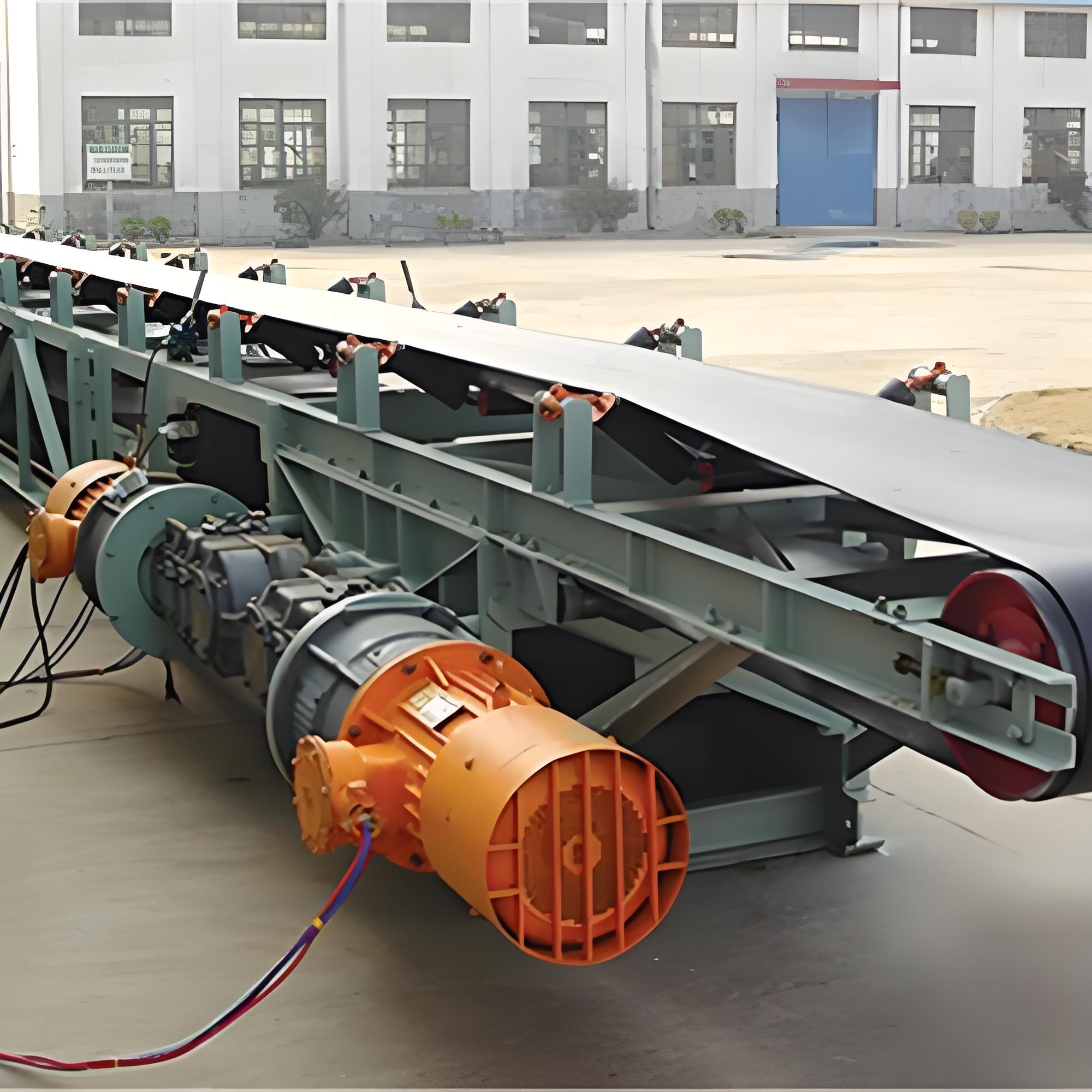
Designed for heavy-duty bulk-material handling in cement, mining, quarrying, and related industries.
Key Features: High abrasion resistance | Good impact resistance | Heavy-duty performance | Suitable for continuous operation
Applications: Limestone | Clinker | Mining Ore | Quarry Materials
Selection: Width, capacity, speed, material, temperature, conveying distance, abrasion and impact.
Frequently Asked Questions
How often should a conveyor belt be inspected?
Daily or shift-based visual inspections are appropriate for many cement and mining conveyors. More detailed inspections should be scheduled according to operating conditions, conveyor duty, and equipment criticality.
What causes conveyor belt mistracking?
Common causes include uneven loading, misaligned idlers or pulleys, material buildup, incorrect tension, splice alignment problems, and contact with the conveyor structure.
When should a conveyor belt be replaced?
Replacement may be necessary when wear, cracking, structural damage, repeated splice failures, or deformation makes continued operation unreliable or uneconomical.
Conclusion
Effective maintenance combines scheduled inspection, troubleshooting, and timely repair. This conveyor belt maintenance guide for cement and mining plants provides practical inspection points while addressing the different operating conditions found in cement and mining plants.
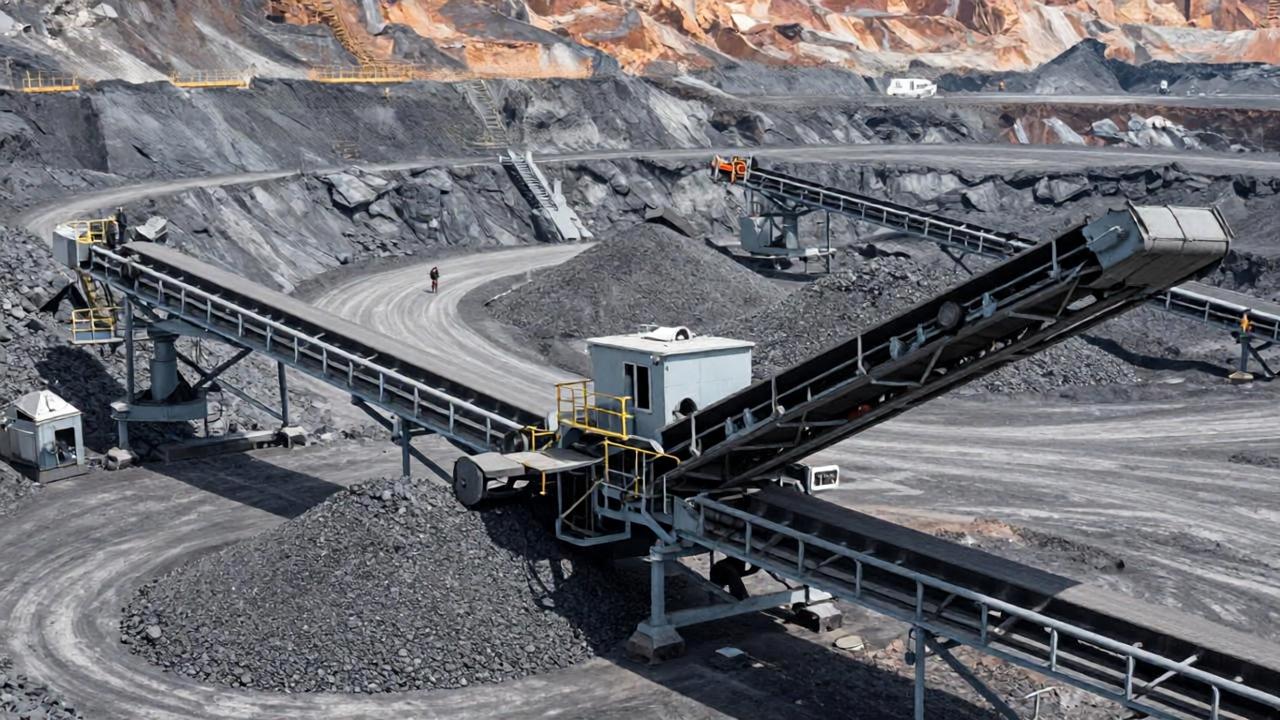
Dahan provides conveyor belt solutions for cement, mining, quarrying, and other bulk-material handling applications. When requesting a recommendation, provide the material, belt width, capacity, speed, conveying distance, temperature, and abrasion or impact conditions.