E-mail: sale@xxdahan.com
Follow Us 


Coal transport across coal mines, power plants, ports, and preparation plants comes with unique operational challenges: severe dust emissions, material spillage, strict environmental regulations, and space constraints.
When designing or upgrading a bulk material handling system, project engineers and decision-makers often face a crucial choice: Should you install a traditional conventional belt conveyor or upgrade to a tubular belt conveyor (pipe conveyor)?
While conventional open belt conveyors have long been the industry standard, modern environmental standards and complex site layouts have made tubular belt conveyors an increasingly popular alternative.
Each conveyor type has distinct construction features and operational strengths, which we break down below.
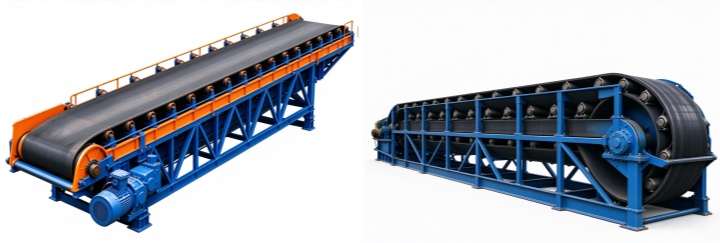
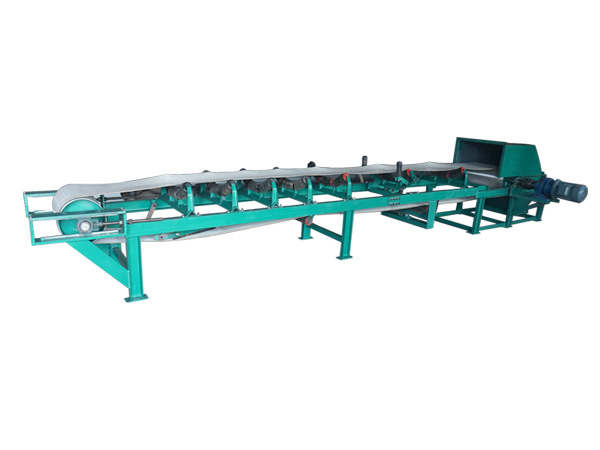
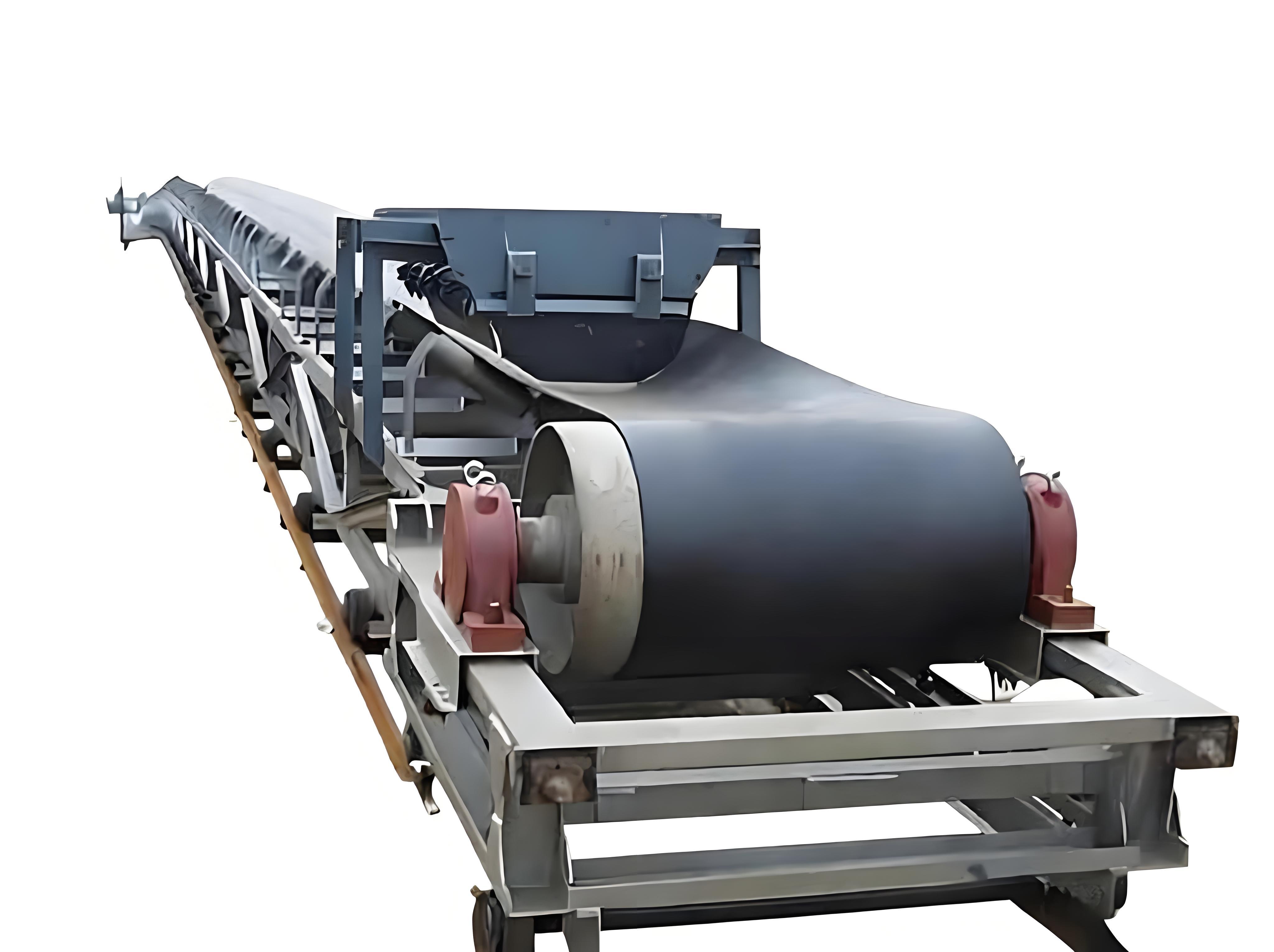
Conventional belt conveyor: A conventional belt conveyor uses an open, troughed belt supported by idlers along a straight structure. It is a highly established, reliable solution designed for straight-line bulk material handling over short to long distances.
Tubular belt conveyor: A tubular belt conveyor (or pipe conveyor) transitions from a flat belt at the loading point into a sealed, rolled tube along the main transport route. The belt overlaps and forms a cylindrical pipe around the material, overlapping closed until it reaches the discharge pulley whereit unrolls to drop the payload.
Multiple factors including dust control, site terrain and maintenance workload will determine the most suitable conveyor system for your coal handling project.
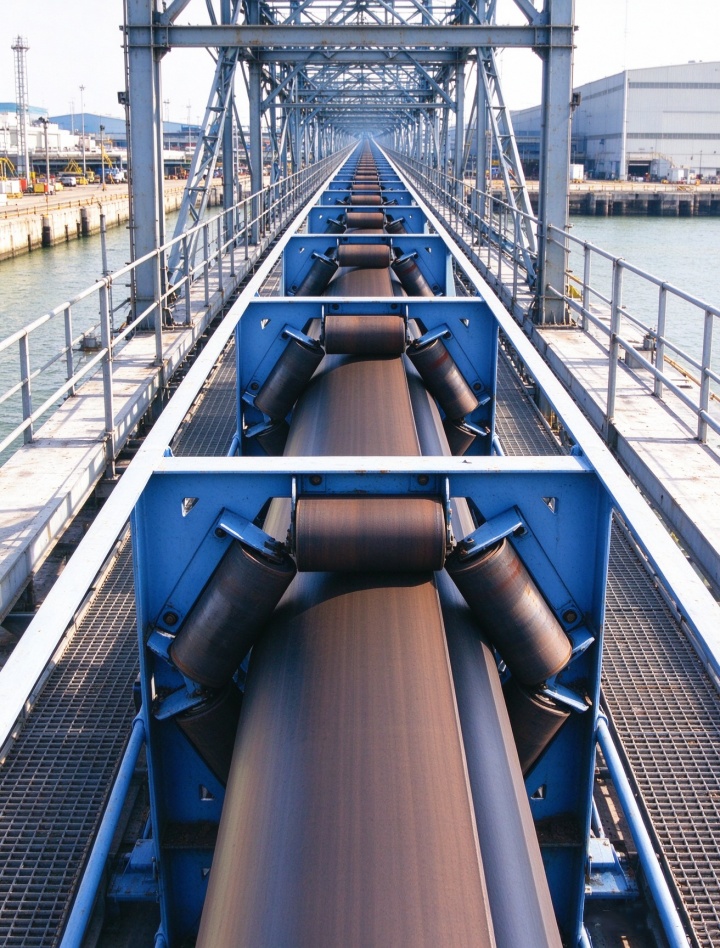
Environmental Protection and Dust Suppression: Coal dust is not only an environmental hazard but also a severe safety risk (combustible dust explosions) and a cause of material loss.
Conventional conveyors leave coal exposed to wind along the route unless completely enclosed with expensive gallery structures.
Tubular conveyors enclose the coal entirely within the rolled belt. This prevents dust release caused by wind exposure during main transit, making them the preferred choice for facilities located near residential areas or operating under strict EPA standards.
Terrain, Curves, and Space Constraints: Site topography often presents obstacles like existing roadways, buildings, or natural waterways.
Conventional conveyors can only travel in straight lines. Changing direction requires building a transfer tower, which introduces extra maintenance, energy loss, and potential clogging points.
Tubular conveyors can be engineered with both horizontal and vertical curves. This 3D routing capability allows the conveyor to bypass obstacles easily and significantly reduces the need for transfer points.: Material Spillage and Maintenance
Spillage along the conveyor line increases cleanup labor costs and causes premature component wear.
With a conventional conveyor, fine coal particles can fall off the edges or stick to the return belt, causing build-up on return idlers.
With a tubular conveyor, the dirty sidfe o the belt remains inside the tube during the return trip, preventing carryback spillage and keeping the surrounding structure clean.
Both conveyor types work well for coal transport. Choose the conventional model for simple straight routes, or pick the tubular belt conveyor when dust control, curve routing and fewer transfer points are priorities.
| Evaluation Criteria | Conventional Belt Conveyor | Tubular Belt Conveyor |
| Dust Control & Containment | Open to the atmosphere; requires added hoods, covers, or dust suppression systems. | 360° fully enclosed; effectively seals in coal dust along the main route. |
| Material Spillage | Susceptible to side spillage during transit and carryback on the return strand. | Minimal spillage; material is enclosed in the pipe, keeping return strands clean. |
| Routing Flexibility | Primarily straight lines; direction changes require intermediate transfer towers. | High flexibility; handles tight horizontal and vertical 3D curves. |
| Footprint & Transfer Stations | Requires more land for transfer stations and gentle slope inclines. | Compact footprint; eliminates intermediate transfer towers and supports steeper inclines. |
| Initial Investment | Lower equipment and initial capital outlay. | Higher initial equipment cost (offset by lower civil and dust-control costs). |
Use the criteria below to match your project conditions to the right conveyor system.
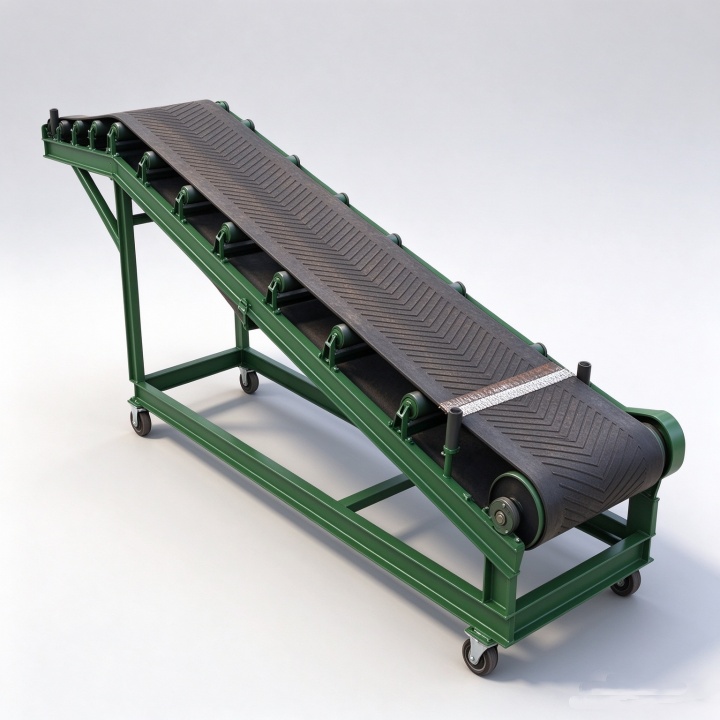
Choose a Conventional Belt Conveyor if:
The conveying route is straight, flat, and free of physical obstacles. You are operating in a remote area with low environmental dust restriction. Initial capital outlay is your primary constraint. You need standard high-capacity throughput where proven, simple maintenance is preferred.
Choose a Tubular Belt Conveyor if:
Your facility must comply with strict environmental and dust-emission standards. The route requires sharp horizontal or vertical turns to navigate existing plant infrastructure. You want to eliminate intermediate transfer towers to save civil engineering costs. You are conveying coal across long distances over roads, rivers, or hilly terrain.
Both conventional and tubular belt conveyors play vital roles in modern coal handling. While conventional conveyors offer simplicity and low initial costs for straight, unrestricted routes, tubular belt conveyors provide an unbeatable combination of total dust containment, spillage control, and routing flexibility for challenging projects.
CONTACT
WhatsApp:+86 18339211009
Email:sale@xxdahan.com
Add:China, Henan Province, Xinxiang City.Yanjin county forest park gate to the west 1000 meters north road