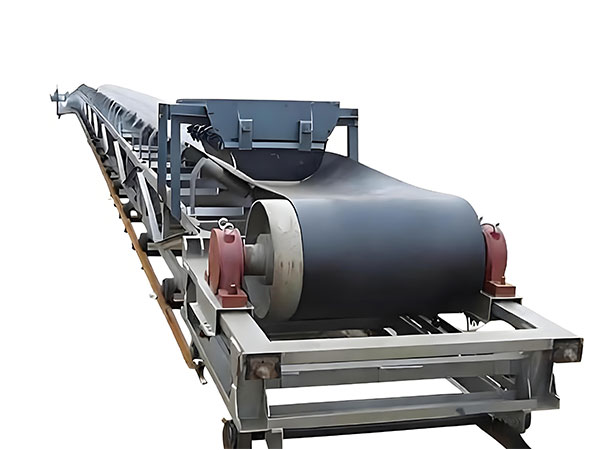
Heavy Duty Rubber Conveyor Belt
Heavy duty rubber conveyor belt uses EP fabric or steel cord as the reinforcing core. They have high tensile strength, good impact resistance and cut resistance
- High tensile strength: EP200–EP630 fabric or steel cord with strength up to 5400 N/mm, for long-distance material conveying
- Good impact and cut resistance: Thick rubber top cover takes the shock when heavy materials fall down
- Optional rubber types: heat-resistant, oil-resistant and cold-resistant rubber, for tough working conditions
- Different cover grades: H/D/L rubber cover grades are offered to fit different wear resistance needs.
What is a Heavy Duty Rubber Conveyor Belt?
A heavy duty rubber conveyor belt is a wear-resistant and can take strong impact. It carry heavy and coarse materials, such as iron ore, coal, sand and gravel.
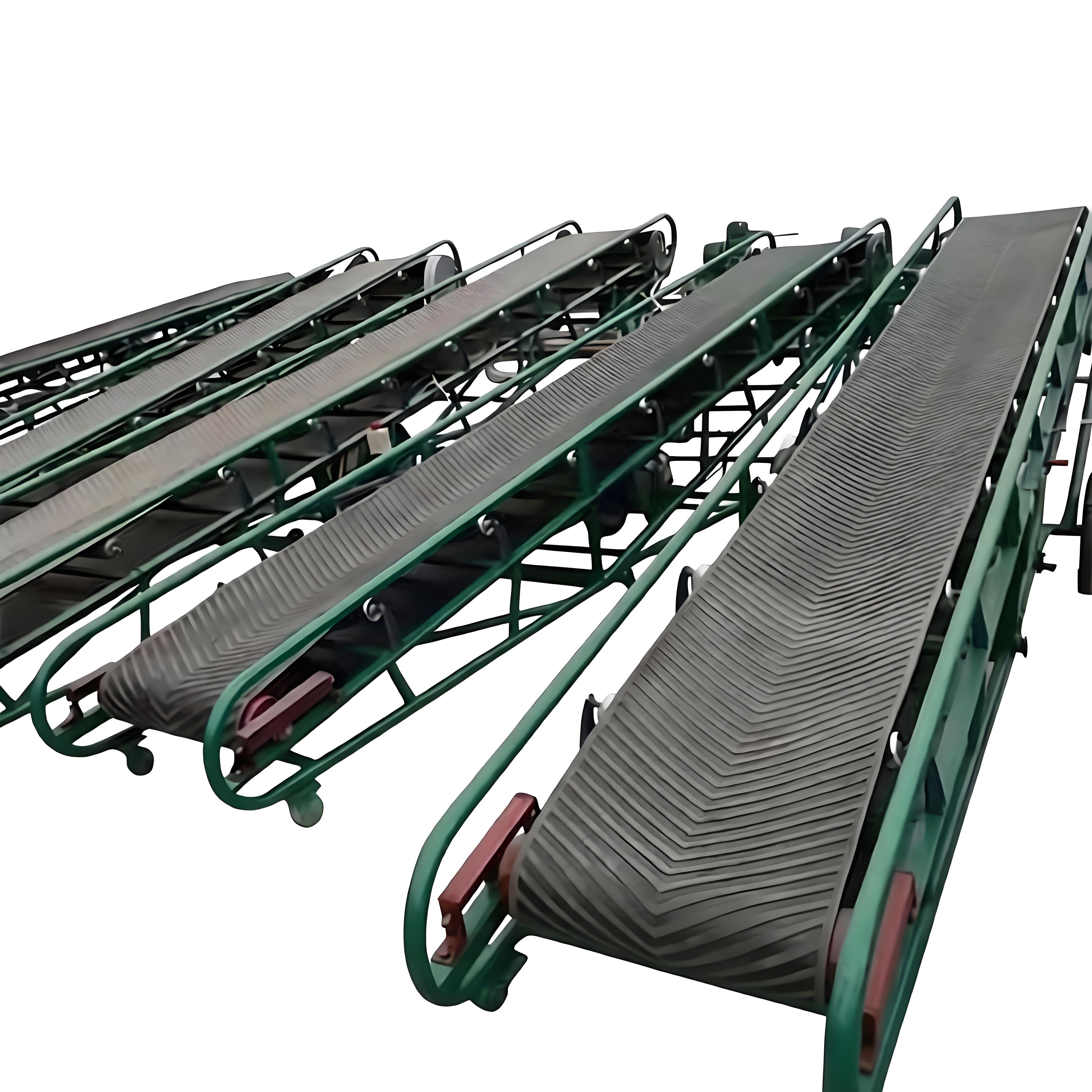
Typical systems handle throughputs ranging from 500 to over 30,000 tons per hour depending on belt width and operating speed.
Construction of Heavy Duty Rubber Conveyor Belt
A heavy duty rubber conveyor belt mainly consists of top cover rubber, internal carcass and bottom cover rubber.
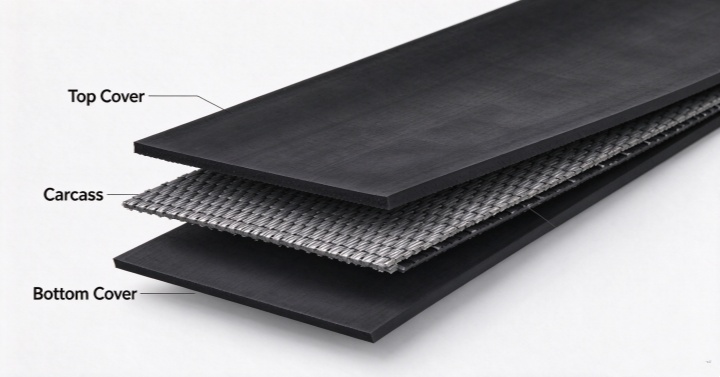
Each part performs its own function. Together, they ensure the stable operation of the conveyor belt under heavy load conditions.
| Structural Component | Main Function |
| Top Rubber Cover | It touches materials directly, and stands friction and impact from ore and coal. |
| Carcass | It sits in the middle of the belt. It mainly bears pulling force during work and stops the belt from stretching too much. |
| Bottom Rubber Cover | It touches idlers and pulleys. It cuts down wear while running and protects the inner core layer. |
Technical Specifications
Selecting the correct heavy duty rubber conveyor belt requires matching tonnage, distance, and safety factors to international standards.
| Parameter | EP200 | EP400 | EP630 | Steel Cord |
| Belt Width (mm) | 500–1400 | 600–2000 | 800–2200 | 800–3200 |
| Tensile Strength (N/mm) | 200 | 400 | 630 | 630–5400 |
| Cover Grades | H/D/L | H/D/L | H/D | H/D |
| Cover Tensile Strength | ≥24 MPa | ≥24 MPa | ≥24 MPa | ≥24 MPa |
| Cover Abrasion Loss | ≤120 mm³ | ≤120 mm³ | ≤120 mm³ | ≤120 mm³ |
| Max Speed (m/s) | 3.15 | 3.15 | 3.15 | 4.0 |
| Max Conveying Length | 200m | 300m | 500m | 1500m+ |
| Typical Application | Light quarry | Quarry/cement | Heavy quarry/coal | Overland mining |
All values refer to Grade H cover; custom specs available.
Key Performance Features of Heavy Duty Rubber Conveyor Belt
Heavy duty rubber conveyor belt can meet different performance requirements according to actual materials and conveying environments, mainly including the following aspects.
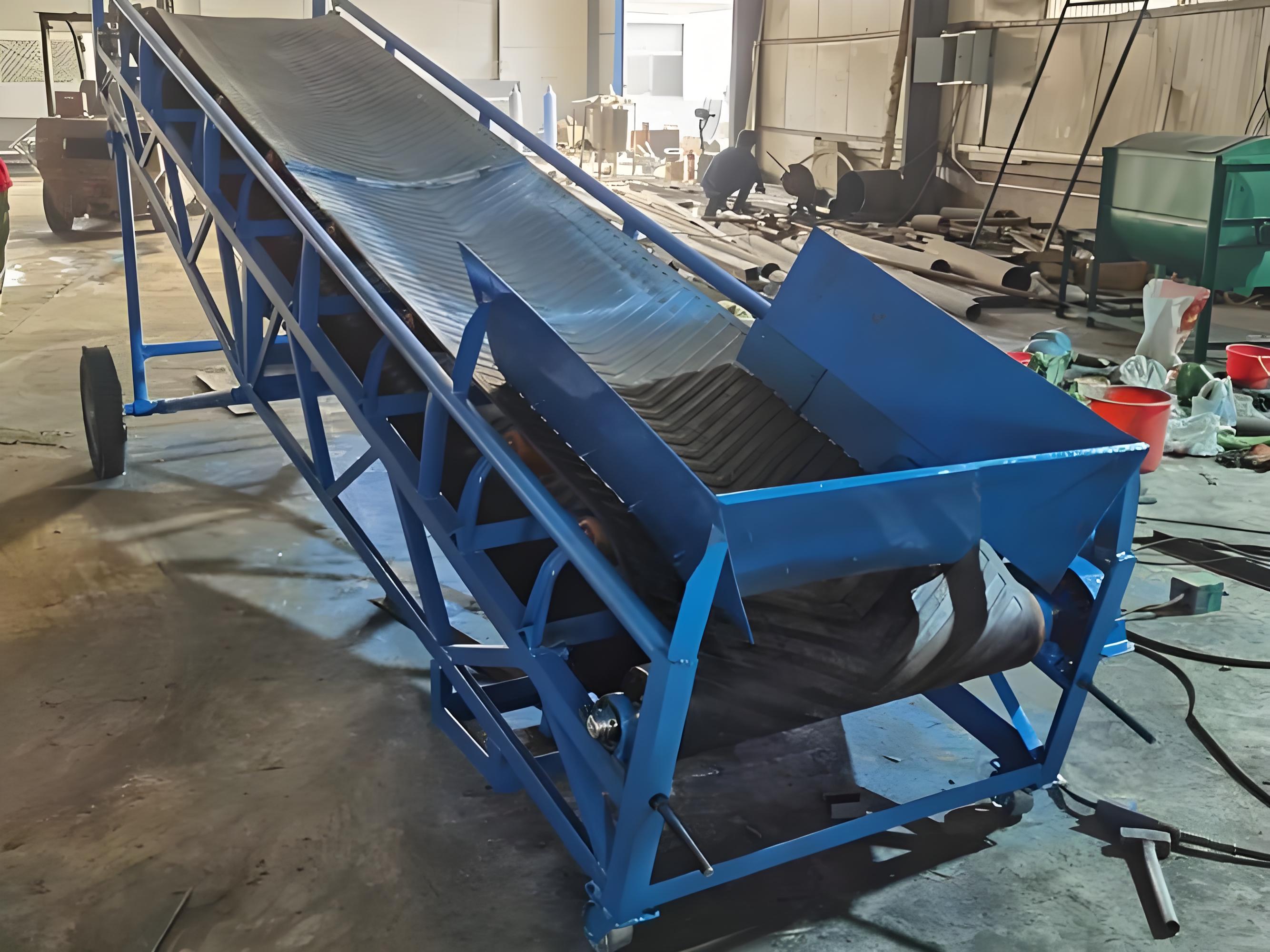
High Load Capacity: It keeps carrying heavy materials like iron ore, coal lumps and broken stones nonstop.
Abrasion Resistance: It slows down surface wear from long-time rubbing by ore, sand and gravel.
Impact and Tear Resistance: It lessens impact and scratches when big pieces of materials drop onto the belt.
Good Tensile Performance: The inner core takes pulling force during operation and limits over-stretching.
Wide Environmental Resistance: We can pick proper rubber formula based on materials and site temperature.
EP vs NN vs Steel Cord Conveyor Belt
Common internal carcass types for heavy duty rubber conveyor belt include EP, NN and steel cord.
| Comparison Item | EP Fabric | NN Fabric | Steel Cord |
| Carcass Material | Polyester warp, nylon weft | Nylon warp and weft | Steel cord |
| Tensile Performance | Wide range of tensile strength options | Good tensile and impact resistance | Can provide higher tensile strength |
| Elongation Characteristics | Relatively low longitudinal elongation | Relatively high longitudinal elongation | Low elongation |
| Flexibility | Good | Good | Depends on steel cord construction and design |
| Common Applications | Mining, quarries, cement plants | Material conveying with high impact | Long-distance, high-tension conveying |
Rubber Cover Grades and Their Applications
The cover rubber of a heavy duty rubber conveyor belt directly determines its service life. Different materials and working environments impose different demands on rubber.Therefore, cover rubber shall be selected according to actual service conditions.
| Cover Rubber Type | Main Performance | Applicable Materials or Environments |
| Abrasion Resistant Rubber | Resists long-term friction and reduces surface wear | Iron ore, coal, sand and gravel, limestone |
| Impact and Cut Resistant Rubber | Reduces damage caused by large and sharp materials | Large ore, crushed stone, sharp stone materials |
| Heat Resistant Rubber | Reduces rubber aging and performance degradation caused by high temperatures | High-temperature materials such as cement clinker and sintered ore |
| Oil Resistant Rubber | Reduces rubber swelling and softening caused by oily substances | Oily materials, working environments with oil contamination |
| Flame Resistant Rubber | Meets flame-retardant requirements for specific environments | Coal mine conveying environments with flame-retardant requirements |
| Cold Resistant Rubber | Maintains good flexibility at low temperatures | Open-pit mines in cold regions |
Application-Specific Solutions of Heavy Duty Rubber Conveyor Belt
Heavy duty rubber conveyor belt is widely used in industries that transport heavy, abrasive and bulk materials.
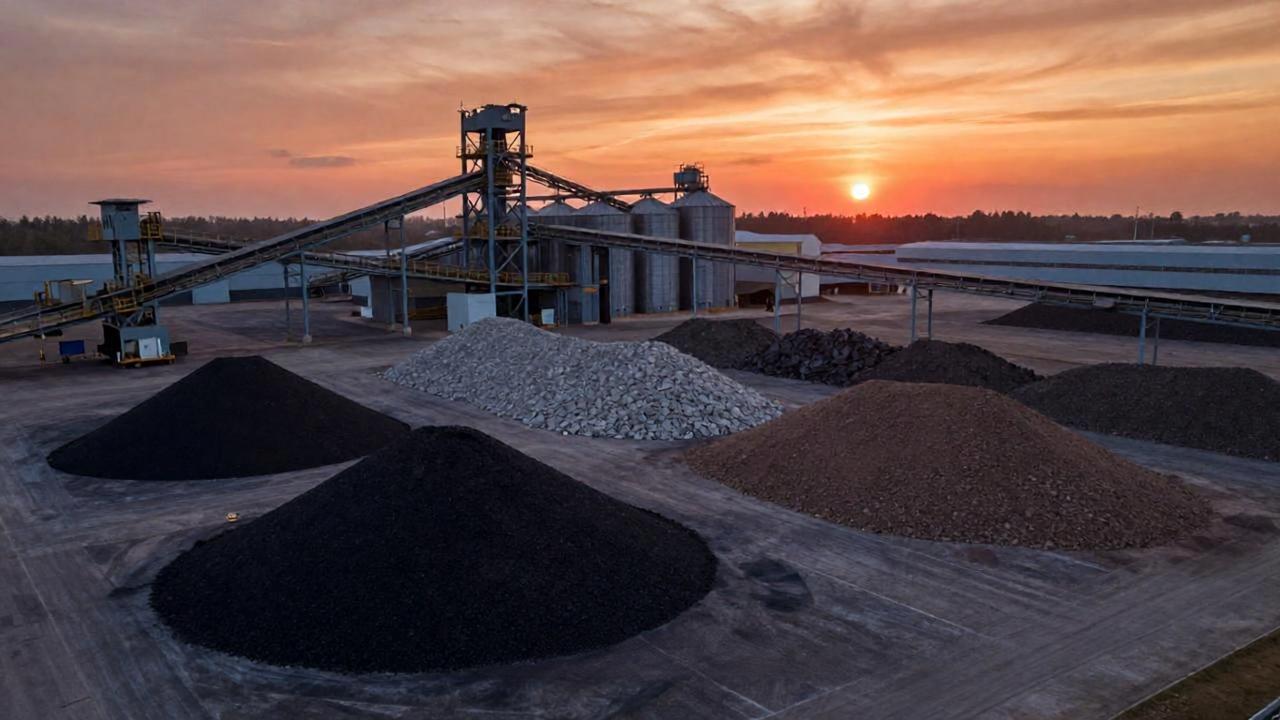
Mining Industry: Used to convey heavy and abrasive materials such as iron ore, copper ore, limestone and other mined minerals.
Coal Industry: Suitable for conveying coal and bulk materials in coal mines, coal preparation plants and power plants.
Cement Industry: Used to transport limestone, clinker, cement raw meal and other bulk materials during production.
Steel Industry: Suitable for conveying iron ore, coke, sinter and other heavy materials in steel production plants.
Ports and Terminals: Used for long-distance loading, unloading and transportation of bulk materials such as coal, ore and grain.
How to Choose the Right Heavy Duty Rubber Conveyor Belt
When selecting a heavy duty rubber conveyor belt, do not make decisions merely based on model or price. Specifications shall be confirmed according to the actual conveying conditions of the production line.
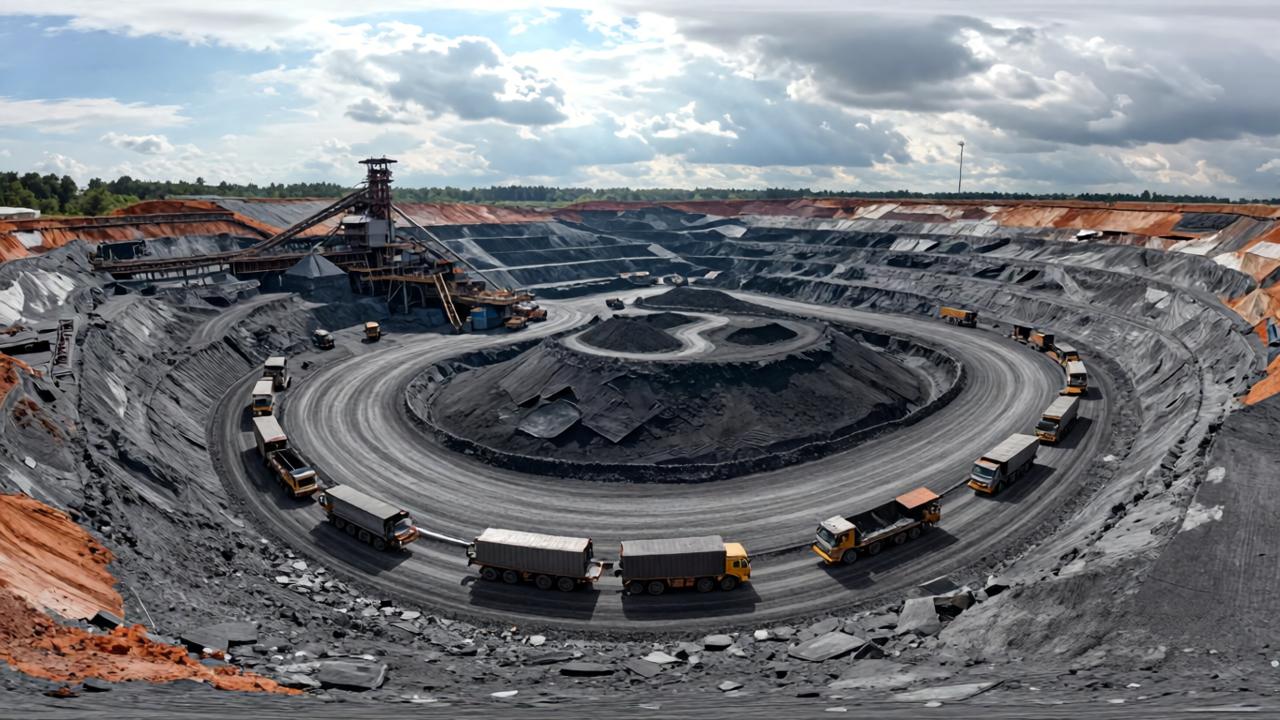
Cover Rubber Choice: Pick cover rubber with good wear resistance if you carry highly abrasive materials. For big lump materials, you also need good impact resistance of the cover.
Belt Core Based on Conveying Length: EP or NN fabric core works for medium and heavy conveying. Steel cord core fits long-distance, high-tension conveying.
Rubber Type: Use heat-resistant rubber for hot clinker. Use oil-resistant rubber if there is oil at the work site.
FAQ
Q: Does a Heavy Duty Rubber Conveyor Belt Require a Specific Pulley Diameter?
A: Yes. The carcass structure, strength grade and overall thickness of the conveyor belt determine the minimum pulley diameter. Too small a pulley will cause repeated bending of the belt and raise the risk of fatigue damage to the internal structure. The exact requirements shall refer to the technical specification of the corresponding model.
Q: What Is the Difference Between Cut Edge and Molded Edge Conveyor Belt?
A: The internal fabric layers are visible on the side of cut edge heavy duty rubber conveyor belt, while molded edge belt are fully wrapped with rubber on the edges. The molded edge structure better protects the internal carcass and reduces damage from moisture and external abrasion to the belt edges.
Q: Why Does a Rubber Conveyor Belt Stretch During Operation?
A: A small amount of initial elongation is normal for a heavy duty rubber conveyor belt on its first run. If obvious continuous stretching occurs, it may be caused by insufficient belt strength, excessive actual operating tension or improper tensioning system settings.