E-mail: sale@xxdahan.com
Follow Us 


How to Choose a Belt Conveyor for material handling depends on more than simply selecting a conveyor length or belt width. The right configuration depends on the material being conveyed, required capacity, conveying route, loading and discharge conditions, and the working environment.A conveyor handling crushed stone, for example, has different requirements from one moving bags, powder, or granular products. Belt speed, conveyor type, incline, loading method, belt construction, and drive system may all need to change with the application.
This guide explains the main factors to consider when choosing a belt conveyor, helping you define the equipment requirements and provide the information a manufacturer needs to recommend a suitable configuration and prepare a quotation.
The material should be the first thing to define when selecting a belt conveyor. Particle size, bulk density, moisture, temperature, abrasiveness, and flowability can all affect how the material behaves on the belt.
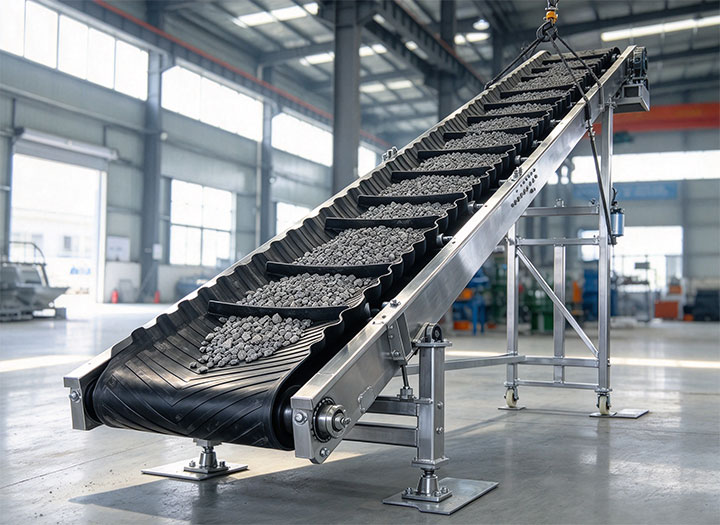
For bulk material handling, coarse or abrasive materials such as crushed stone and aggregates may require a more robust belt and loading arrangement to handle impact and wear. Fine powders may need better control of dust and spillage, while sticky or damp materials can require special attention to the belt surface and cleaning.
Also consider whether the material is fragile, hot, oily, or corrosive. These conditions may influence the belt material, conveyor speed, support arrangement, and other contact components.
Before choosing the conveyor size, define the material as clearly as possible. If available, provide its particle size, bulk density, moisture content, temperature, and any special handling requirements. This gives the manufacturer a more useful starting point for conveyor selection.
Once the material is defined, determine how much material the belt conveyor needs to move and how the material will travel through the system. These are the basic operating requirements for the conveyor.
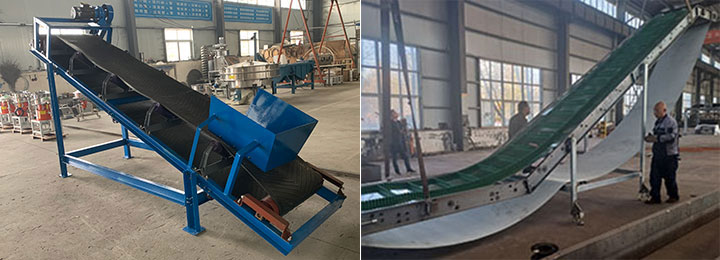
Start with the required capacity, such as tons per hour (t/h) or cubic meters per hour (m³/h). The figure should reflect the normal production rate and actual feeding conditions rather than an occasional maximum value. Bulk density is also important when capacity is expressed by volume instead of weight.
Next, measure the conveying route. This may include the horizontal distance, height difference between the feeding and discharge points, and any changes in direction or transfer points. A short horizontal conveyor and one that moves material upward to a higher level may require very different configurations.
Consider the complete material flow as well: where the material comes from, how it enters the belt, where it is discharged, and whether the conveyor runs continuously or intermittently. This helps prevent selecting a conveyor that has the right length but does not fit the actual process.
Belt width and belt speed should be selected together. A wider belt can carry a larger material load, while a higher speed can increase the amount of material conveyed over a given period. Both parameters need to match the material and required capacity.
For coarse or irregular materials, the belt needs enough carrying space for stable loading and distribution. Fine or dusty materials may require a controlled speed to reduce dust, spillage, or material displacement. Particle size and bulk density also affect the amount of material that can be carried effectively.
For higher capacities, increasing belt width may be preferable to relying only on higher belt speed. Applications with modest throughput may not require a wide belt running at high speed. The suitable combination depends on the material flow and conveyor layout.
If the belt width or speed is not known, provide the material, capacity, particle size, and conveying conditions to the manufacturer. These details can be used to determine a suitable combination instead of selecting a size from a generic chart.
Belt conveyors are configured differently according to how the material is loaded, transported, and discharged. Choosing the type should therefore start with the actual conveying task.
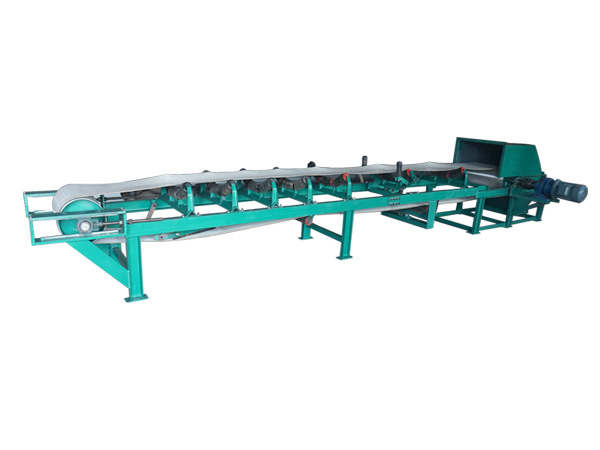
Flat belt conveyors are commonly used for horizontal conveying of packaged products, bags, boxes, and lighter bulk materials. They provide a relatively simple conveying surface where a deep trough is not required.
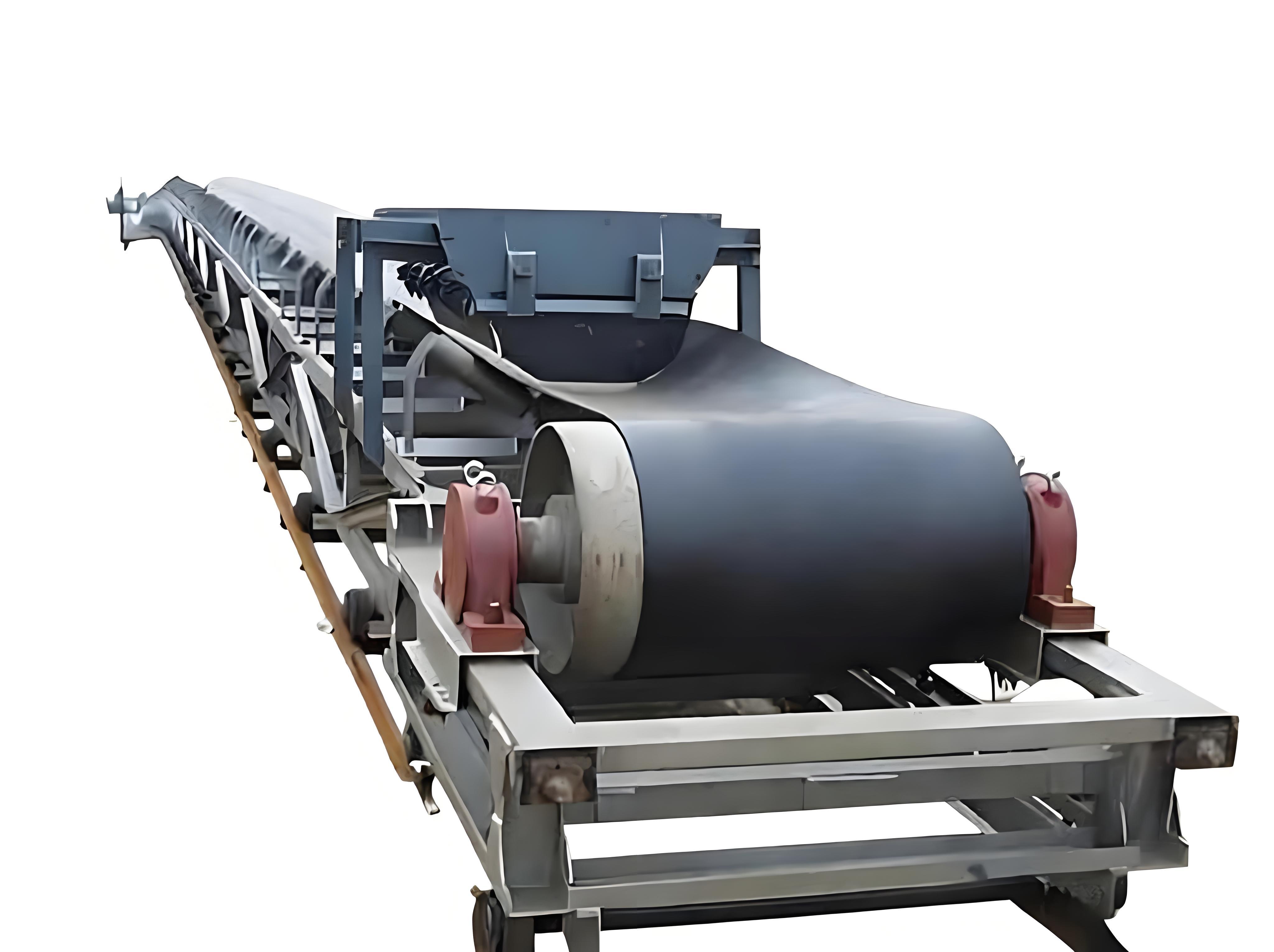
Troughed belt conveyors use angled idlers to form the belt into a carrying shape. They are suitable for loose bulk materials such as aggregates, coal, sand, and similar products.
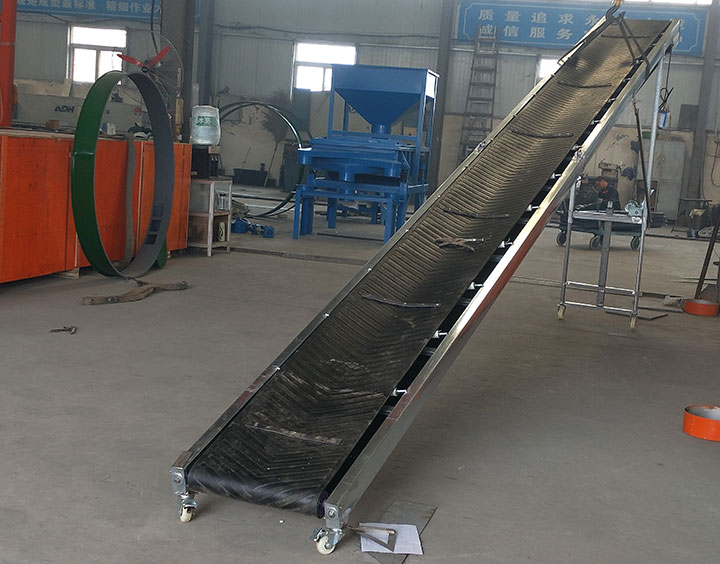
Inclined belt conveyors are used when material needs to move between different elevations. The incline, material characteristics, and belt surface should be considered together to prevent material from sliding backward.
Cleated belt conveyors use raised cleats to help control material movement, particularly on inclined sections. The cleat design should match the material and required capacity.
The conveyor type should ultimately be selected from the complete conveying requirement, including material, capacity, route, inclination, loading method, and discharge arrangement.
The conveyor belt and drive system need to work as a matched set. The belt must withstand the material and operating conditions, while the drive system must provide enough power to move the loaded belt at the required speed.
For the belt, consider abrasion, temperature, moisture, oil exposure, and the required belt surface. Abrasive materials may require greater belt durability, while food or clean-handling applications may call for a belt material that is easier to clean and suited to the working environment.
The drive system should be selected from the actual conveyor duty rather than belt width alone. Material load, conveyor length, inclination, belt speed, starting conditions, and operating frequency can all affect the drive requirement.
If you are unsure about the belt construction or motor power, provide the material, capacity, conveyor dimensions, speed, and operating conditions. The manufacturer can then match the belt and drive system to the complete conveyor duty.
A belt conveyor can meet the required capacity on paper and still perform poorly if the loading, discharge, or installation conditions are overlooked. These details should be checked before the configuration is finalized.
For inclined conveying, the incline angle should be considered together with the material's particle size, moisture, and flow characteristics. Dry, free-flowing materials may behave differently from damp or slippery materials, so the belt surface or cleat arrangement may need to be adjusted.
The loading point also deserves attention. A large or fast-moving material stream can create impact when it falls onto the belt. The feeding arrangement should distribute material evenly and limit excessive impact, spillage, and belt wear. At the discharge end, the conveyor should provide the correct discharge position and enough clearance for the next process.
Finally, check the working environment. Outdoor installation, moisture, dust, high temperature, or corrosive conditions can affect conveyor components and protection. Providing these conditions in advance helps avoid applying a standard configuration where additional protection is needed.
The same belt conveyor configuration is not suitable for every material. These examples show how the application can influence the selection approach.
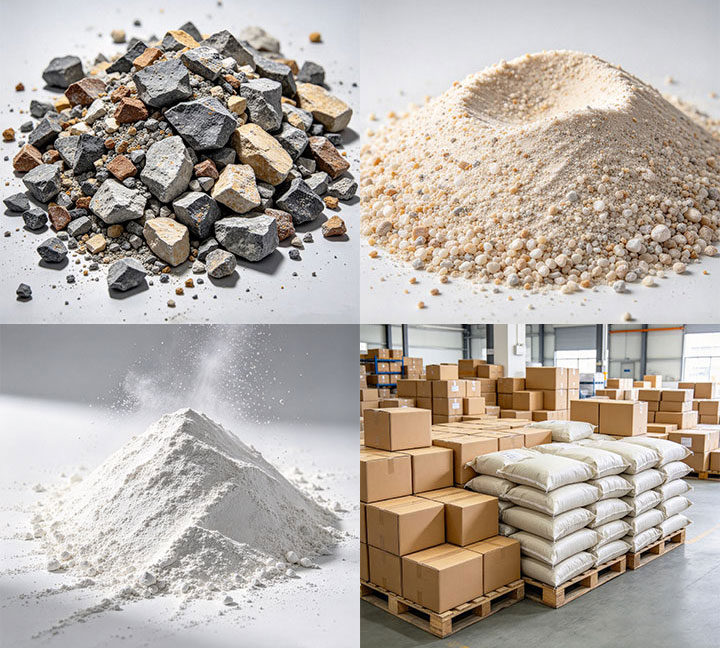
Crushed Stone and Aggregates
Crushed stone is relatively heavy and abrasive and may contain larger particles. The conveyor should have sufficient carrying capacity and a belt construction suitable for abrasive service. When material comes from a crusher or hopper, the loading point should also handle impact and distribute the material evenly across the belt.
Sand and Granular Materials
Sand and other granular materials generally flow more easily than large aggregates, but they can still create spillage and dust if the belt speed or loading arrangement is poorly matched to the material flow. A troughed belt can help contain loose bulk material, while the feeding and discharge points should maintain a stable material stream.
Powder Materials
Powders require greater attention to dust control and material containment. The conveyor should account for flowability, bulk density, and the tendency of the powder to escape at transfer points. Controlled belt speeds, suitable skirt arrangements, or enclosed sections may be considered where better dust management is required.
Bags, Boxes, and Packaged Products
Packaged products have different requirements from loose bulk materials. A flat belt conveyor may be suitable when products need a stable conveying surface and controlled spacing. Belt surface, conveyor height, loading position, and discharge arrangement should match the package size, weight, and downstream process.
These examples are starting points rather than fixed configurations. The final belt width, speed, drive system, and conveyor structure should be determined from the actual material, capacity, conveying route, and operating conditions.
A belt conveyor can be customized for different material handling conditions, so a useful quotation requires more than the conveyor length. Providing the basic operating information helps the manufacturer recommend a suitable configuration.
You do not need to determine every technical parameter yourself. If the belt width, belt speed, motor power, or conveyor type is uncertain, providing the material, capacity, dimensions, and layout is enough to start the selection process. A drawing, installation photo, or simple sketch can also help clarify the conveying route.
Start with the material, required capacity, conveying distance, and layout. These factors determine the suitable conveyor type and key operating parameters.
Belt width should match the required capacity, material characteristics, and belt speed. If you are unsure of the width, provide the material, capacity, and conveyor layout for manufacturer selection.
Provide the material, capacity, conveyor length, feeding and discharge heights, inclination, and working environment. A layout drawing or installation photo can also help with the recommendation.
CONTACT
WhatsApp:+86 18339211009
Email:sale@xxdahan.com
Add:China, Henan Province, Xinxiang City.Yanjin county forest park gate to the west 1000 meters north road