E-mail: sale@xxdahan.com
Follow Us 


A coal handling belt conveyor is the core equipment for continuous material transportation in coal mines, power plants, coal washing plants, and port coal storage yards. Different from general purpose belt conveyors, it faces harsh working conditions such as abrasive coal and gangue, lump coal impact, coal dust pollution, and humid materials. Many project failures, including insufficient conveying capacity, frequent belt damage, and material backsliding, are caused by unreasonable early selection rather than equipment quality problems. This guide systematically sorts out the core selection factors and common mistakes of coal handling belt conveyors based on actual engineering experience, helping engineers and project decision makers determine reasonable equipment specifications according to on site working conditions.
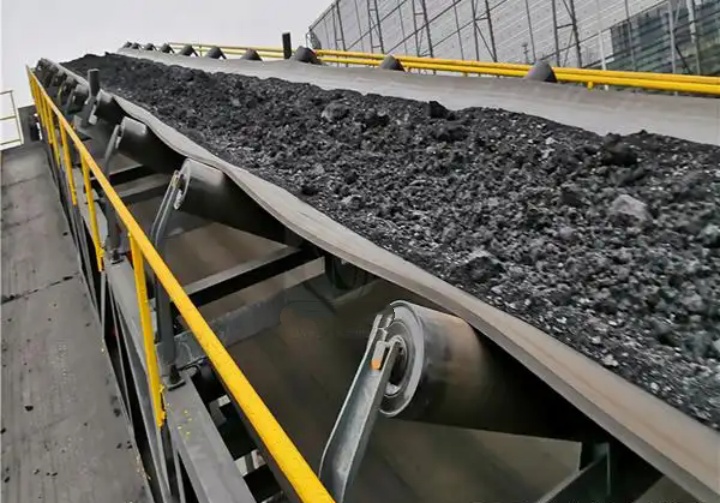
Conveying capacity is the primary basis for selecting a coal handling belt conveyor, and the actual on site throughput should be taken as the core standard instead of theoretical design parameters.
Coal materials have diverse physical properties: lump raw coal, crushed medium coal, and fine pulverized coal have different bulk densities and fluidity. Under the same belt width and operating speed, the actual conveying volume varies greatly. In addition, coal moisture content, caking phenomenon, and unstable feeding frequency will further reduce the effective conveying efficiency. Simply referring to the theoretical parameters of the equipment will easily lead to insufficient hourly output, which cannot meet the continuous operation demand of the production line.
The conveying route layout directly determines the overall configuration and structural design of the coal handling belt conveyor, especially the incline angle, which is a key parameter unique to coal transportation scenarios.
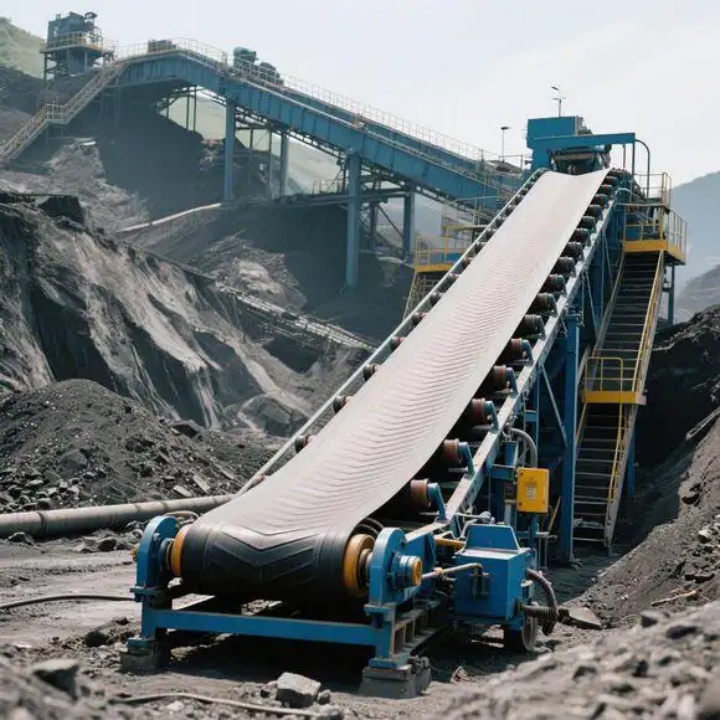
For horizontal conveying conditions, the equipment configuration is relatively conventional, focusing on stable operation and anti-deviation performance. For upward inclined conveying, the angle must be strictly controlled according to coal particle size. Large lump coal has poor anti-slip performance, and an excessively large incline angle will cause material backsliding and accumulation, seriously affecting production efficiency. For long-distance cross-site conveying, it is also necessary to comprehensively consider belt tension, roller load-bearing capacity, and anti-wear design to avoid equipment failure caused by long-term high-load operation.
Below is a reference parameter table for common coal-handling belt conveyor specifications. This is industry-wide reference data only, not customized product parameters from a single manufacturer.;Actual values should be adjusted for site-specific coal properties.
| Belt Width (mm) | Theoretical Capacity (t/h) | Recommended Belt Speed (m/s) | Max Allowed Incline (Lump Coal) | Typical Applicable Scenario |
| 500 | 80~150 | 1.2~2.0 | 12° | Small coal washing plant, auxiliary conveying line |
| 650 | 150~280 | 1.2~2.2 | 12° | Medium-size coal yard, internal plant transportation |
| 800 | 280~450 | 1.4~2.4 | 11° | Power plant auxiliary coal-handling system |
| 1000 | 450~700 | 1.6~2.5 | 10° | Large coal mine, port coal stockyard |
| 1200 | 700~1100 | 1.8~2.8 | 10° | Main conveying line for thermal-power coal feeding |
Notes:
1.The theoretical capacity is calculated based on bulk density of raw coal 0.85-0.9 t/m³. Real output will drop when coal is wet or contains large lumps.
2.For pulverized coal, the safe incline angle can be increased appropriately, while lump coal must strictly follow the angle limit to prevent back-sliding.
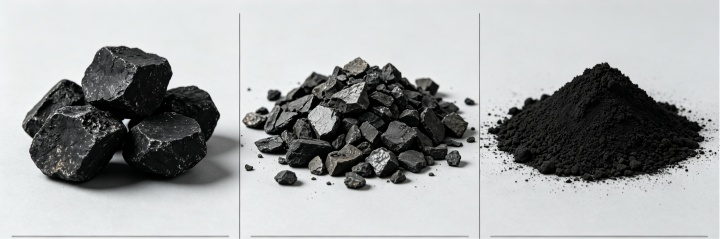
The material characteristics of coal are the fundamental difference between coal handling belt conveyors and ordinary conveying equipment, and also the core of selection optimization. Three key characteristics must be fully evaluated in the selection process:
Particle size difference: Lump coal will form a strong impact on the belt and rollers during feeding and transportation, requiring the equipment to have impact-resistant structural configuration; fine pulverized coal is easy to generate floating dust, putting forward higher requirements for the equipment’s dust-proof performance.
Moisture and viscosity: High-moisture coal and wet coal slurry are easy to adhere to the belt surface, resulting in residual material accumulation, belt deviation, and local corrosion, which requires targeted anti-adhesion and anti-corrosion design.
Abrasion performance: Raw coal is often mixed with gangue and hard impurities, which have strong abrasiveness. Ordinary belts and vulnerable parts are prone to rapid wear and tear, increasing later maintenance costs.
| Coal Material Type | Main Risk Points | Selection Suggestion |
| Lump raw coal (>50mm) | Impact damage, material back-sliding | Impact-resistant rollers, control incline angle strictly |
| Crushed coal (10~50mm) | Medium abrasion, partial dust | Standard wear-resistant rubber belt |
| Fine pulverized coal (<10mm) | Heavy dust, easy leakage | Sealed cover, anti-static belt option |
| Wet / high-moisture coal | Sticking, residue carry-back | Anti-adhesive belt surface, install belt cleaner |
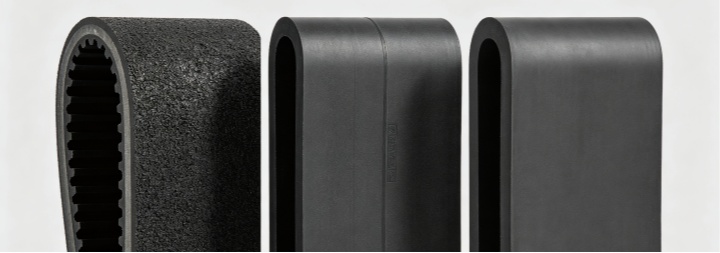
The conveyor belt is the core vulnerable part of the coal handling belt conveyor, and its material must match the coal site’s working conditions and safety specifications, which cannot be replaced by ordinary general-purpose belts.
| Belt Type | Core Performance | Suitable Coal-Handling Site |
| Wear-resistant rubber belt | Anti-abrasion against coal & gangue | Open-air coal yard, port terminal, general coal plant |
| Fire-retardant anti-static belt | Flame resistance, static dissipation | Underground mine, enclosed workshop with explosion risk |
| Anti-adhesive rubber belt | Reduce wet-coal sticking residue | High-moisture raw coal, coal-washing plant discharge |
For open-air coal yards, port coal terminals and conventional coal transportation scenarios, wear-resistant rubber belts are the first choice to cope with the long-term abrasion of coal and gangue and extend the service life. For underground coal mines, enclosed coal washing workshops and other sites with fire and explosion risks, fire-retardant and anti-static belts that meet industry safety standards must be selected to eliminate potential safety hazards caused by static electricity and open fire. For humid and sticky coal transportation conditions, anti-adhesive surface belts can be prioritized to reduce material residue and cleaning frequency.
Coal handling sites are diverse, and different environmental conditions will directly restrict the selection of equipment configurations. Open-air working environments need to adapt to extreme weather such as high temperature, low temperature, rain and snow, requiring the equipment to have outdoor anti-rust, anti-aging and waterproof performance. Closed workshops focus on dust control and ventilation coordination to meet environmental protection emission standards.
In addition, safety compliance is a hard indicator for coal equipment selection. Sites with dense coal dust accumulation and flammable and explosive risks must be equipped with explosion-proof motors, closed conveying structures and safety protection devices to fully meet industrial safety operation specifications.
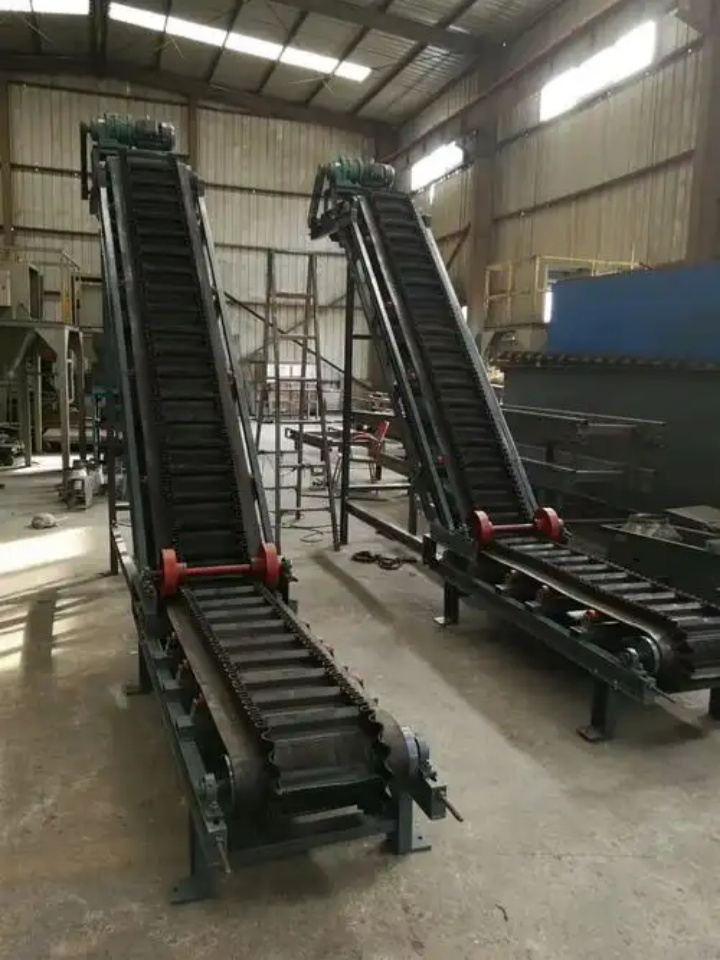
Many selection schemes with perfect theoretical parameters cannot be implemented on site due to space limitations. Before finalizing the coal handling belt conveyor specification, it is necessary to fully measure the on-site installation space, ground foundation bearing capacity, and production line layout.
For narrow and limited workshops, compact structural design needs to be adopted; for conveying routes that need turning and docking, customized turning conveyor configuration is required. Ignoring on-site space constraints will lead to difficult equipment installation, insufficient operation space, and even later secondary reconstruction, increasing project time cost and economic cost.
Combined with years of on-site project experience, most equipment operation problems in coal transportation projects stem from standardized selection errors. The following common mistakes should be avoided in the selection process:
First, only refer to theoretical conveying parameters and ignore the actual physical characteristics of coal such as moisture, caking and particle size, resulting in insufficient actual operating capacity.
Second, adopt ordinary belts and common structural configurations for lump coal and high-abrasion working conditions, resulting in frequent belt tearing, roller wear and frequent shutdown maintenance.
Third, set an excessive conveying incline angle to pursue high efficiency, causing coal backsliding, material accumulation and line blockage.
Fourth, ignore the fire-proof, dust-proof and explosion-proof safety requirements of coal sites, leading to potential safety and environmental protection hazards.
Fifth, neglect on-site space and foundation conditions, resulting in mismatched equipment specifications and unconstructible schemes.
Selecting a qualified coal handling belt conveyor is a systematic work that integrates parameter matching, material adaptation, environmental adaptation and safety compliance. It is not limited to simple parameter comparison, but needs to fully combine the actual working conditions of the coal project to customize the most suitable configuration scheme.
This selection guide is summarized based on a large number of coal mine, power plant and port coal handling project practices. There is no universal standard specification for coal handling belt conveyors. Only targeted selection according to on-site conditions can ensure long-term stable, efficient and safe operation of the equipment. For professional customized solutions suitable for your project working conditions, you can consult experienced bulk material conveying equipment manufacturers to obtain targeted technical support.
CONTACT
WhatsApp:+86 18339211009
Email:sale@xxdahan.com
Add:China, Henan Province, Xinxiang City.Yanjin county forest park gate to the west 1000 meters north road