High Temperature Belt Conveyor
Heat resistance up to 400°C (peak 450°C).
EPDM cover rubber resists thermal cracking.
Reinforced carcass (Kevlar or steel cord) for high tensile strength.
Abrasion resistant cover for handling sharp, hot materials.
Long service life – up to 4× longer than standard belts in hot environments.
Last Updated: August 2026
What Is a High Temperature Belt Conveyor?
A high temperature belt conveyor is a specialized material handling system designed to transport hot bulk materials—such as sintered ore, cement clinker, coke, hot slag, and dried clay—without premature belt failure. Unlike standard conveyors, it incorporates heat-resistant rubber compounds, reinforced carcass materials, and specialized construction techniques that preserve mechanical properties under thermal stress.
These conveyors operate on the same fundamental principle as a standard belt conveyor—an endless belt driven by rollers, supported by idlers along its length—but every component is selected and engineered for thermal endurance.
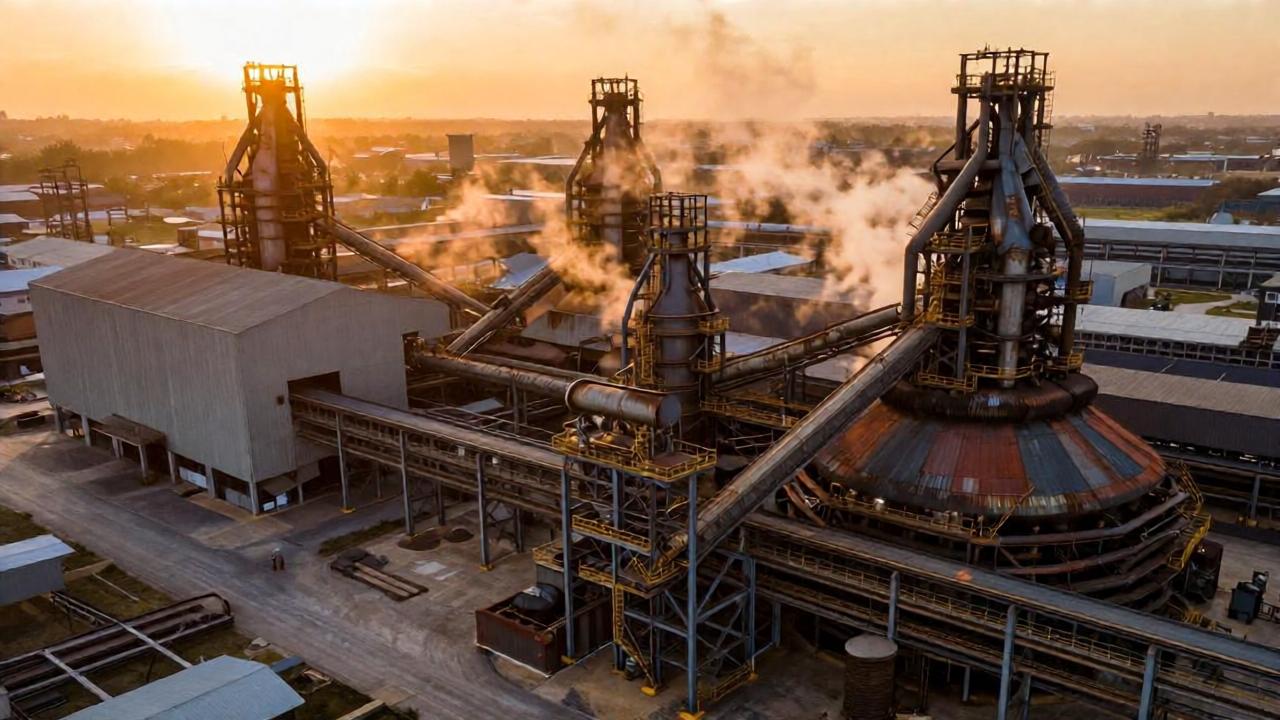
Why Standard Conveyor Belts Fail Under High Heat?
Most conventional conveyor belts use EP (polyester/nylon) fabrics in their carcass. Under high temperatures, these fabrics shrink and degrade, causing the belt to contract in the middle or become wavy on the outside edges. Heat triggers thermal cracking or thermal crosslinking of the rubber, accelerating oxidation reactions that harden and embrittle the cover.
When the core of a standard belt reaches temperatures exceeding 150°C, tensile strength and elongation at break can fall by as much as 80%, while abrasion resistance can decrease by 40% or more.
Field Performance – Real-World Evidence
In a cement clinker conveying application in Southeast Asia, material temperatures at the discharge point consistently reached 320-380°C. Standard heat-resistant belts required replacement every 4 to 6 months. After upgrading to a properly specified high-temperature belt with EPDM cover compound and reinforced carcass, the same line operated continuously for over 26 months without belt-related downtime—reducing annual maintenance costs by approximately 70%.
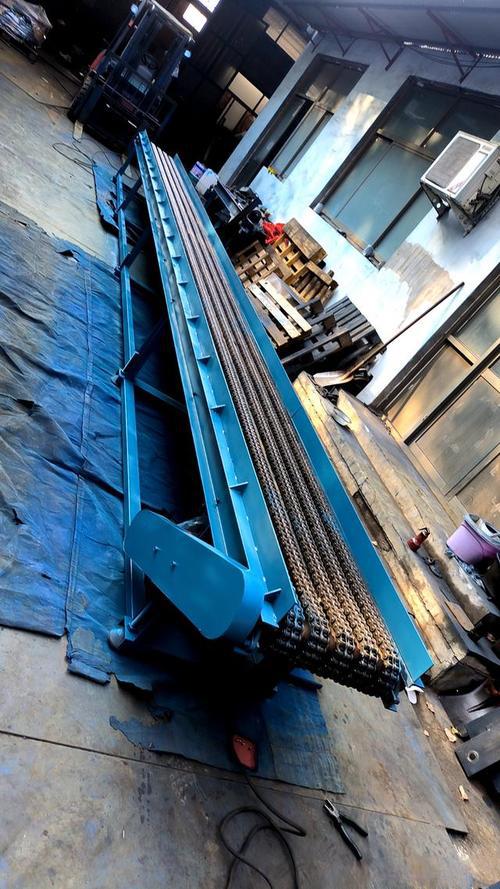
Key Applications
A high temperature belt conveyor is essential in:
Cement plants – clinker, cement products, dried clay, dried lime.
Steel mills – sintered ore, coke, pellets, slag.
Coking plants – coke and high-temperature byproducts.
Power generation – hot ash and coal.
Foundries – hot castings and sand.
Key Features
Superior heat resistance – Handles continuous material temperatures from 100°C up to 400°C, with peaks exceeding 450°C. EPDM rubber compounds resist thermal cracking.
Reinforced carcass – Kevlar reinforcement protects against thermal hazards up to 425°C; steel cord offers superior tensile strength.
Enhanced layer adhesion – Specialized adhesive systems maintain bond integrity under thermal cycling.
Abrasion and impact resistance – Formulated cover rubbers withstand abrasive hot materials like clinker and sintered ore.
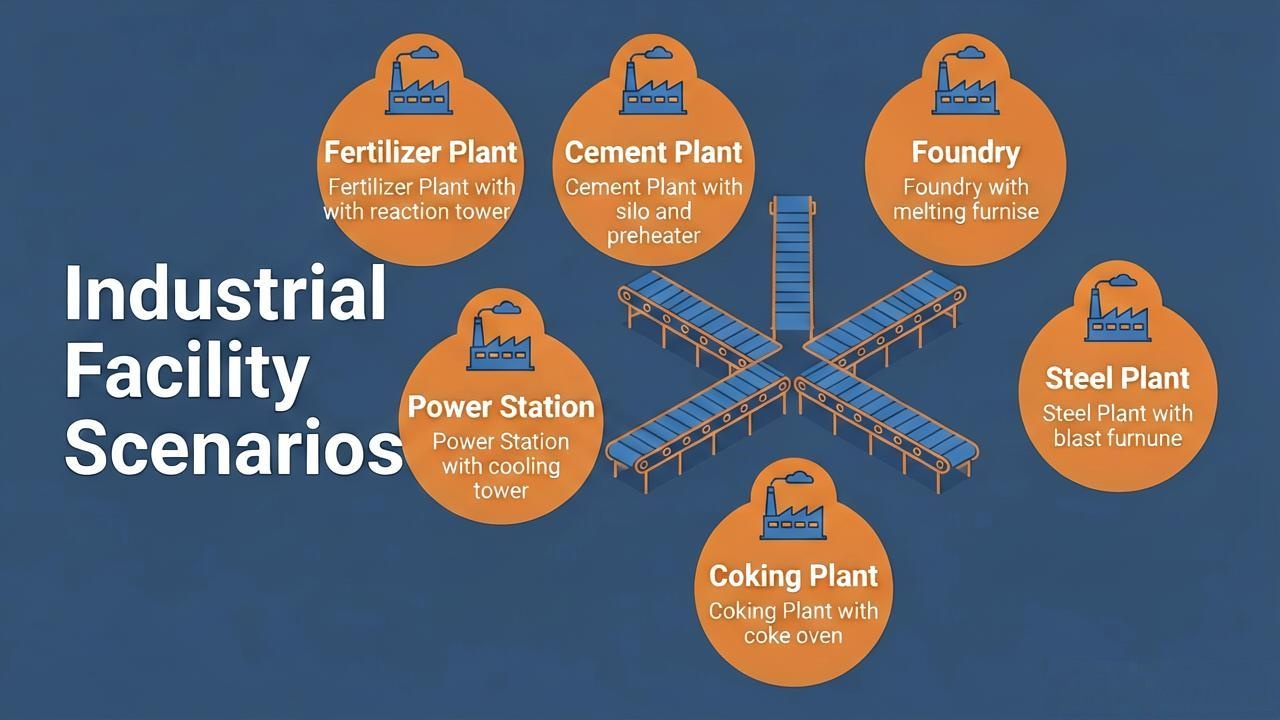
Heat-Resistant Belt Grades
| Grade | Test Temp (≤) | Max Short-Term Temp | Tensile Strength After Aging (Min, MPa) | Elongation at Break After Aging (Min, %) | Max Abrasion (mm³) |
|---|---|---|---|---|---|
| T1 | 100°C | 150°C | 12 | 200 | 200 |
| T2 | 125°C | 170°C | 10 | 200 | 200 |
| T3 | 150°C | 200°C | 5 | 180 | — |
| T4 | 175°C | — | 8 | 200 | — |
Data sources: ISO 4195, DIN 22102
For applications exceeding 200°C, specialized high-temperature grades are required, engineered for continuous operation up to 400°C.
How to Choose the Right Belt?
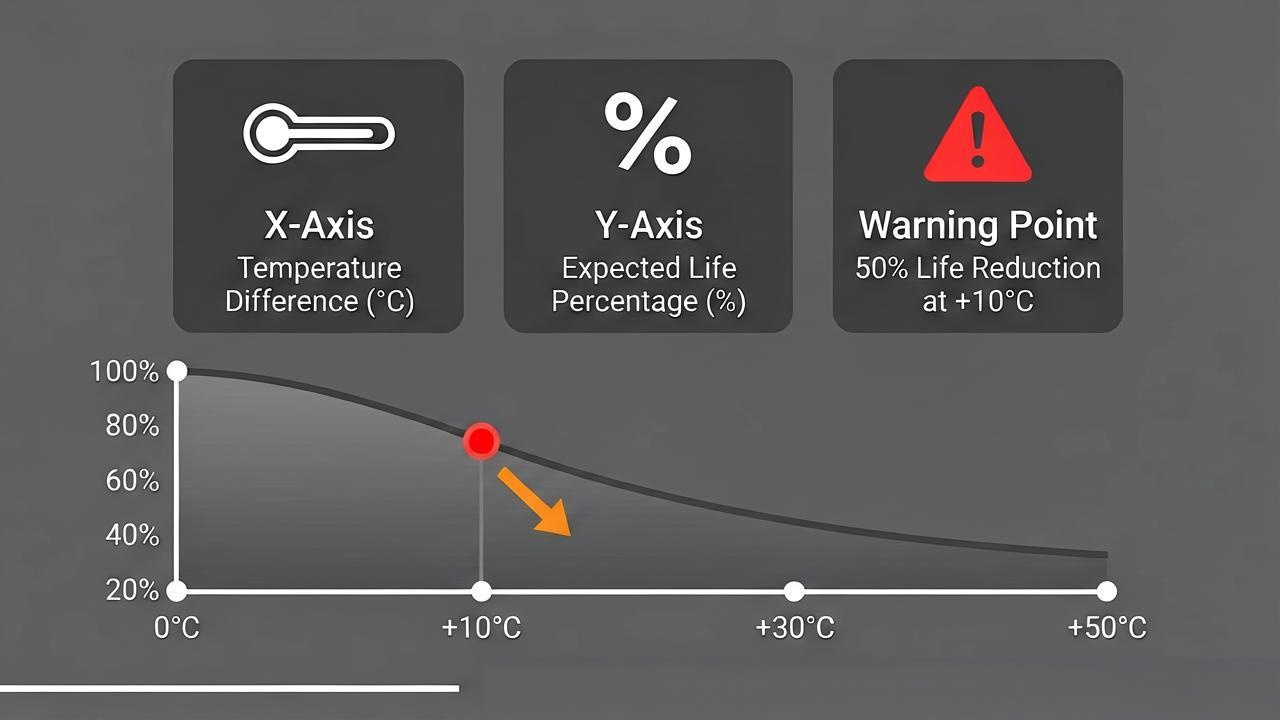
Material Temperature – The most critical parameter. A belt rated T1 (max 150°C) used in a 180°C environment will fail unpredictably—surface cracks appear within weeks, cover peels within months. An increase of only 10°C in core temperature can reduce belt life by 50%.
Material Characteristics – Fine materials concentrate heat on the belt surface due to lack of air circulation; coarse materials like clinker allow better air circulation—an important distinction when selecting cover grade.
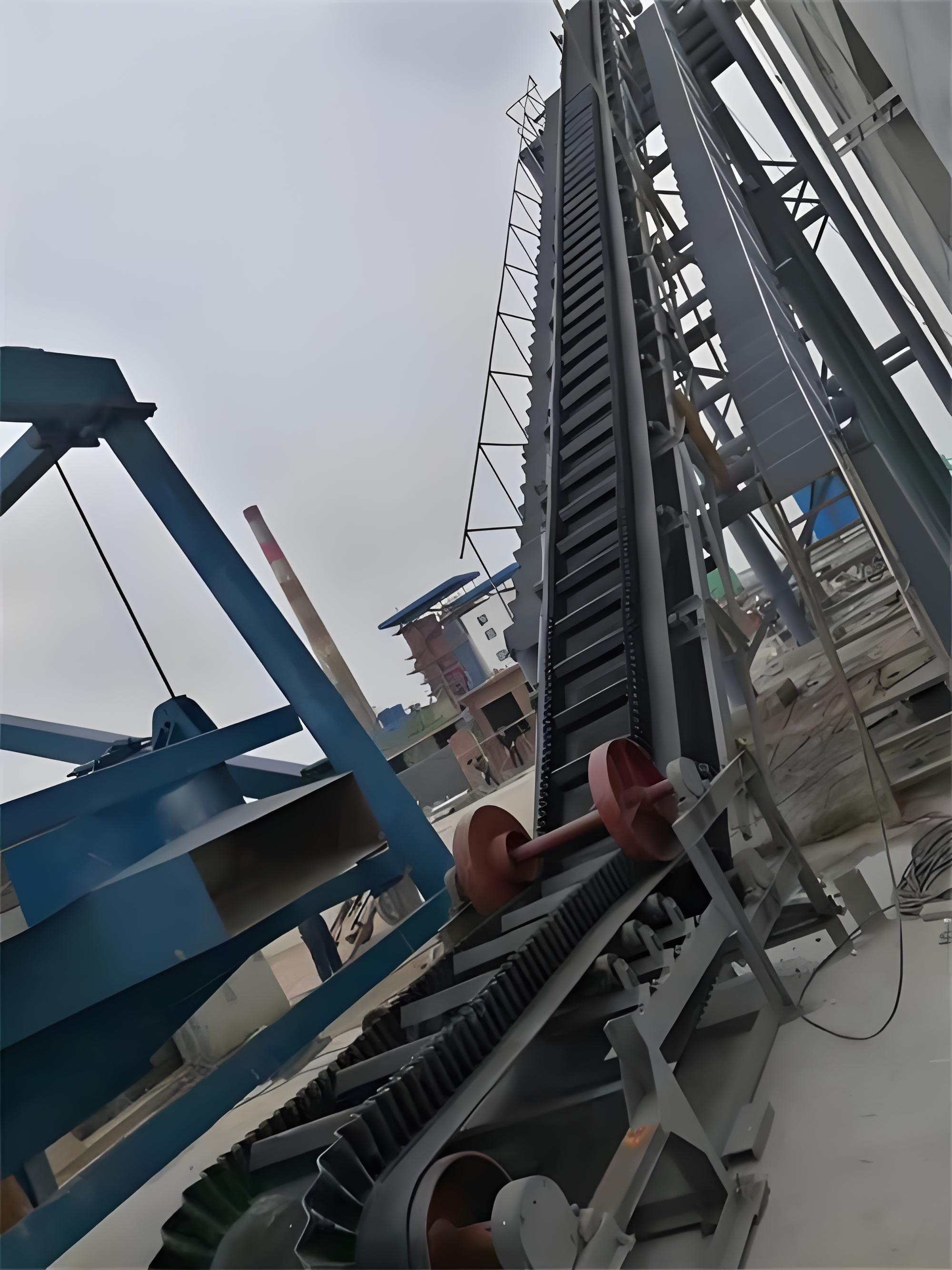
Cover Rubber Thickness – For fabric core belts, upper cover thickness of 6–8mm and lower cover of 2–4mm is typically recommended.
Beyond Temperature Rating – Hardness change after aging, tensile strength retention, and breaking elongation after heat exposure tell you how a belt performs over time—not just on day one.
Technical Specifications (Typical)
| Belt Width (mm) | Conveying Speed (m/s) | Conveying Capacity (t/h) |
|---|---|---|
| 400–500 | 1.25–2.0 | 30–80 |
| 650–800 | 1.25–2.0 | 80–200 |
| 1000–1200 | 1.25–2.0 | 200–480 |
| 1400 | 1.25–2.0 | 400–680 |
Continuous material temperature up to 400°C; instantaneous peak up to 450°C.
Frequently Asked Questions
Q: What temperature can a high temperature belt conveyor handle?
A: Depending on the grade, from 100°C up to 400°C continuous, with peaks above 450°C.
Q: What industries use these conveyors?
A: Cement plants, steel mills, coking plants, power stations, foundries, and fertilizer facilities.
Q: What is the difference between T1, T2, T3, and T4?
A: T1: test temp ≤100°C (max short-term 150°C); T2: ≤125°C (170°C); T3: ≤150°C (200°C); T4: ≤175°C.
Q: How does ISO 4195 testing work?
A: Rubber samples are placed in high-temperature ovens for 7 days, then tested for reduction in tensile strength, abrasion resistance, and elongation.
Q: How long does a high temperature belt conveyor last?
A: In cement clinker applications at 300-400°C, properly specified belts have demonstrated over two years of continuous operation—compared to six months for standard belts.
Q: Can it be customized?
A: Yes—belt width, conveying length, inclination angle, belt grade, and additional features can be tailored to specific requirements.