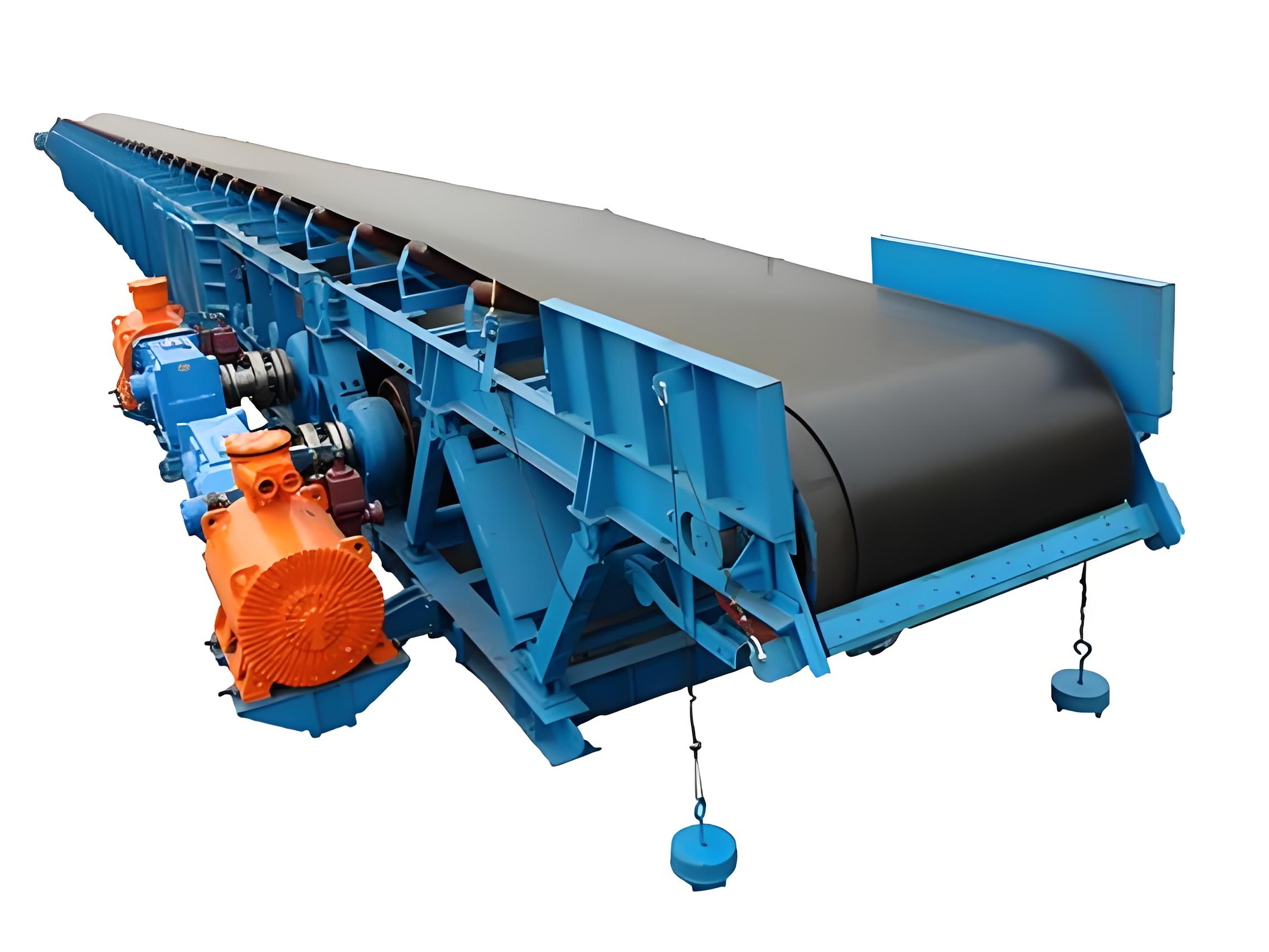
Industrial Conveyor Belt System
| Parameter | Specification |
|---|---|
| Belt Width | 400 – 2,000 mm |
| Conveying Speed | 0.5 – 5.0 m/s |
| Temp. Range | Standard: up to 200°F / Heat‑resistant: up to 400°F |
| Max Incline | Standard: 18° / Cleated: 30° / Pocket: 90° |
| Service Life | Light‑duty: 8–10 yrs / Heavy‑duty: 3–5 yrs |
| Standards | ASME B20.1, NFPA 79, ISO 5048, FDA |
Last Updated: August 2026
What Is an Industrial Conveyor Belt System?
If your production line is struggling with unplanned downtime, material spillage, or premature belt wear, the problem may not be your operations—it could be how your industrial conveyor belt system is specified. An industrial conveyor belt system is a calibrated material‑transport engine where belt construction, idler geometry, loading design, take‑up tension, and drive configuration must converge to move material safely and efficiently. When any element fails to align, the operation suffers—through spillage, premature wear, or unplanned downtime.
From mining and quarrying to food processing and warehousing, the industrial conveyor belt system has become the backbone of modern material handling. When properly designed and maintained, an industrial conveyor belt system can reduce labor costs by 30–50% and increase throughput significantly compared to manual or forklift‑dependent operations.
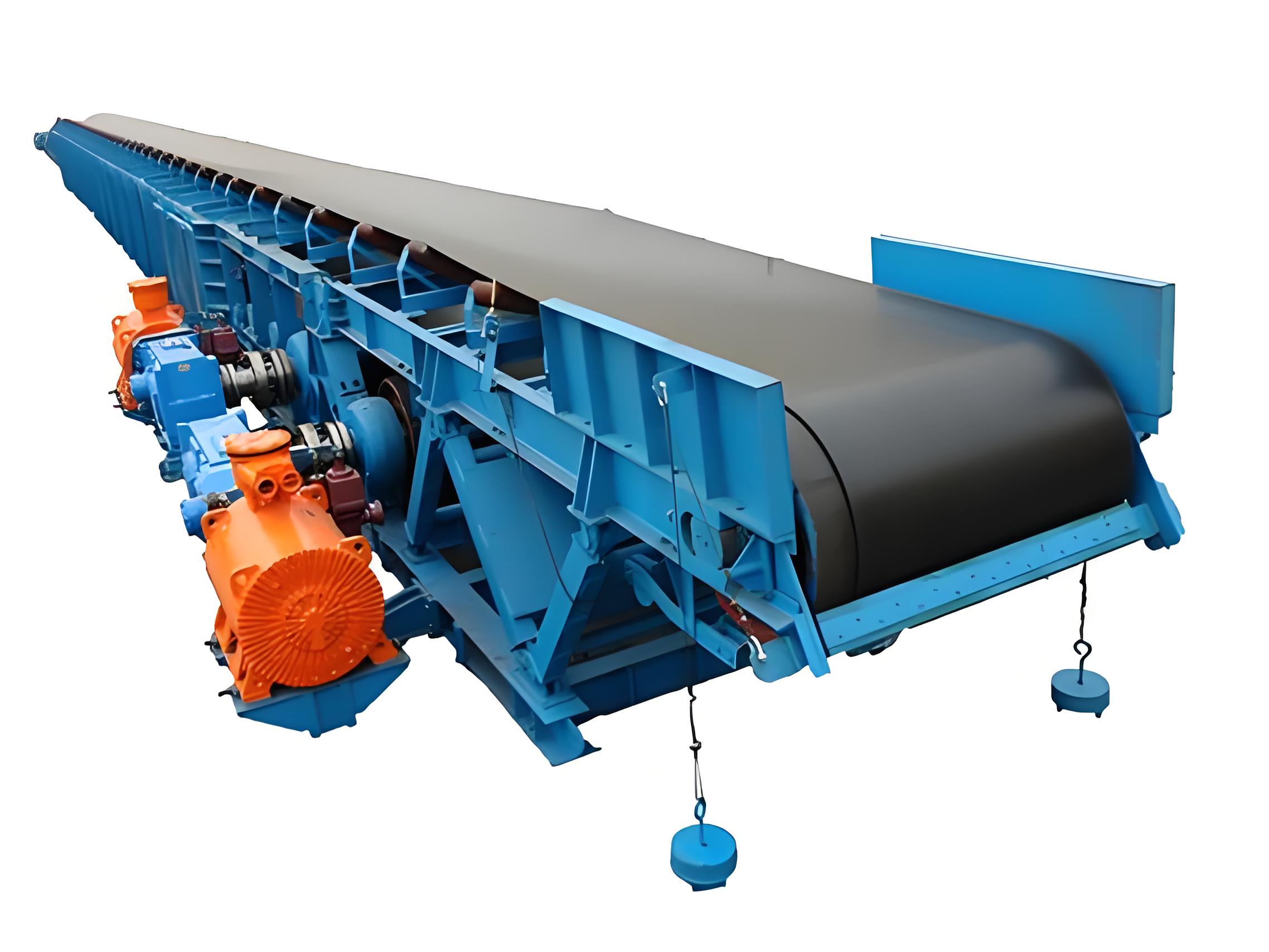
Key Components
Every industrial conveyor belt system consists of several essential components:
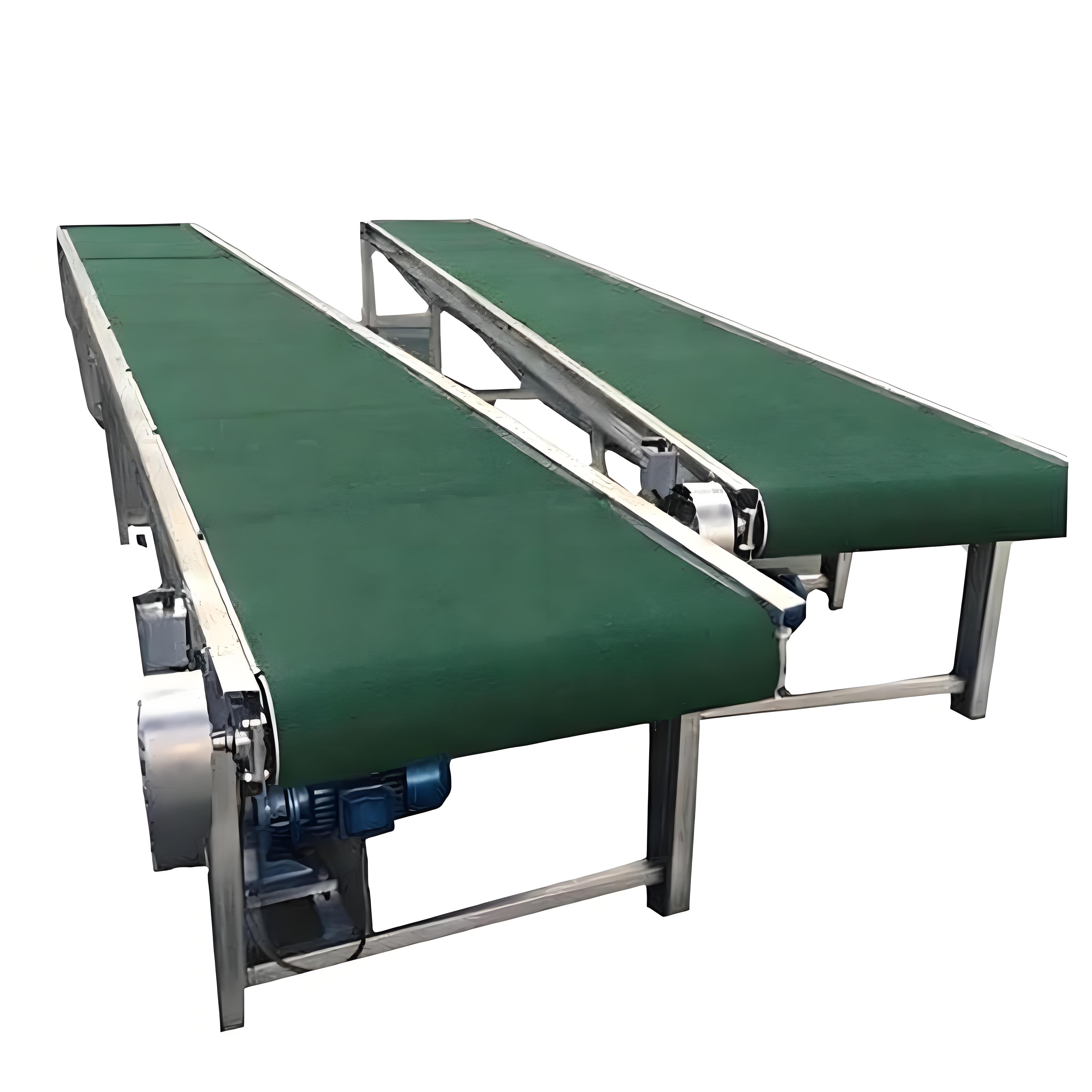
Frame – Structural support. C‑channel steel for heavy‑duty; aluminum for lighter‑duty or cleanroom environments.
Conveyor Belt – The most critical component. Three construction families: fabric‑ply (EP/NN, versatile, moderate tensions), steel‑cord (up to 5000 N/mm, <0.5% elongation, long‑distance haulage), and solid‑woven (underground, flame‑resistant). Cover compound depends on temperature: standard up to 200°F; heat‑resistant up to 400°F.
Belt Material Options:
Thermoplastic (PVC/PU) – Affordable, lightweight, good flexibility for curved conveyors, moisture‑resistant. Ideal for light to medium packages and food processing.
Rubber – Highly durable, excellent impact resistance, good grip for inclined conveyors. Best for heavy‑duty conveying of abrasive materials.
Metal (Stainless steel) – Extremely strong, high‑temperature resistance. Used for hot materials and applications requiring high strength.
Fabric – Cost‑effective, lightweight, good flexibility. Suitable for light to medium packages and grain handling.
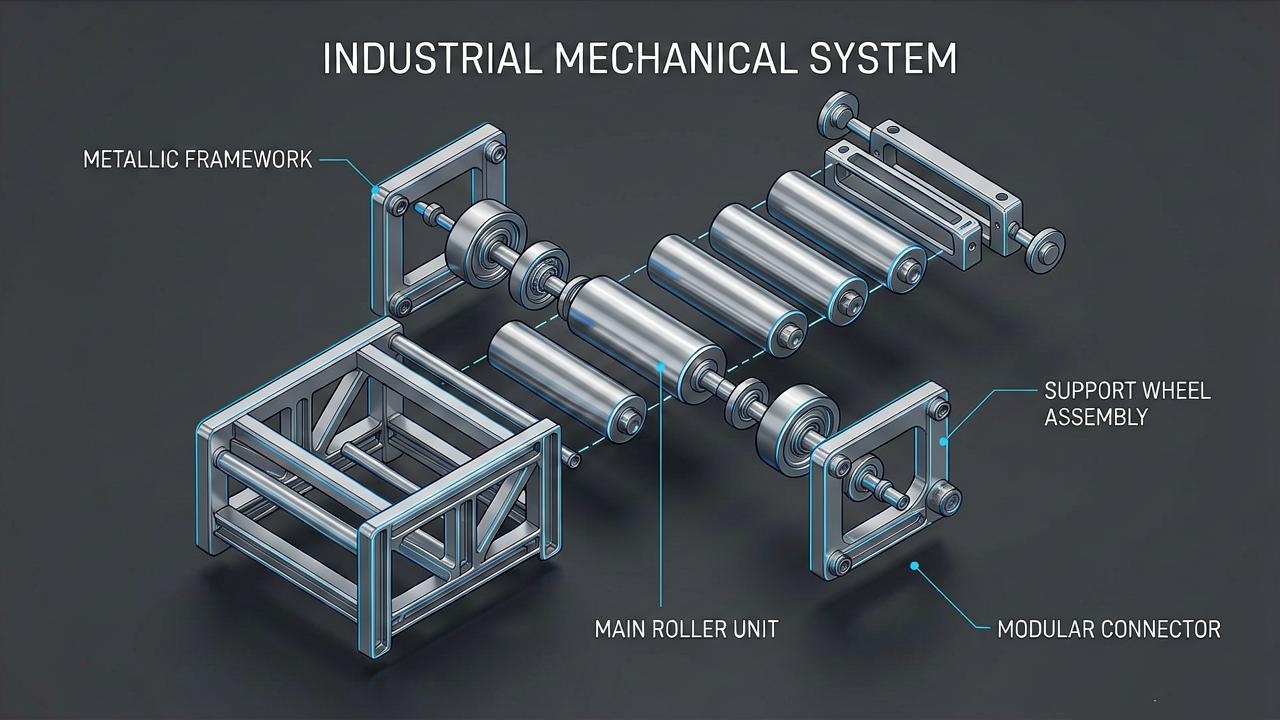
Belt Construction: Carcass, Covers, and Tension Member
At its simplest, an industrial conveyor belt system uses a flexible tensile member (the carcass) wrapped in a protective elastomer (the cover). The carcass may be fabric‑ply (polyester‑nylon EP, cotton‑nylon), solid‑woven PVC, or steel cord. The tensile member carries the tension; the covers fight abrasion, impact, oil, heat, or chemical attack. Between them lives the skim rubber and bonding system that determines whether the belt survives or delaminates under cyclic flexing. Specifying a belt without naming the carcass type, ply count or cord pitch, cover gauge (top/bottom), and belt rating (PIW or N/mm) provides insufficient information for proper selection.
Support Rollers / Idlers – Prevent sagging and maintain alignment. Troughing idlers (20°, 35°, or 45°) increase carrying capacity.
Drive Unit – Electric motor with gearbox. Variable frequency drives enable speed control. Motors comply with IEC 60034‑1 (IE3 efficiency).
Pulleys – Drive pulleys (powered), tail pulleys (redirect), and snub pulleys (increase wrap angle). Rubber or ceramic lagging enhances friction.
Tensioning Device – Maintains proper tension to prevent slipping. Screw‑type (manual), gravity‑type (automatic), or hydraulic. Proper tension keeps sag at 1.5–2% of idler spacing.
Belt Cleaners – Scraper blades at the head pulley remove debris, preventing carryback and component wear.
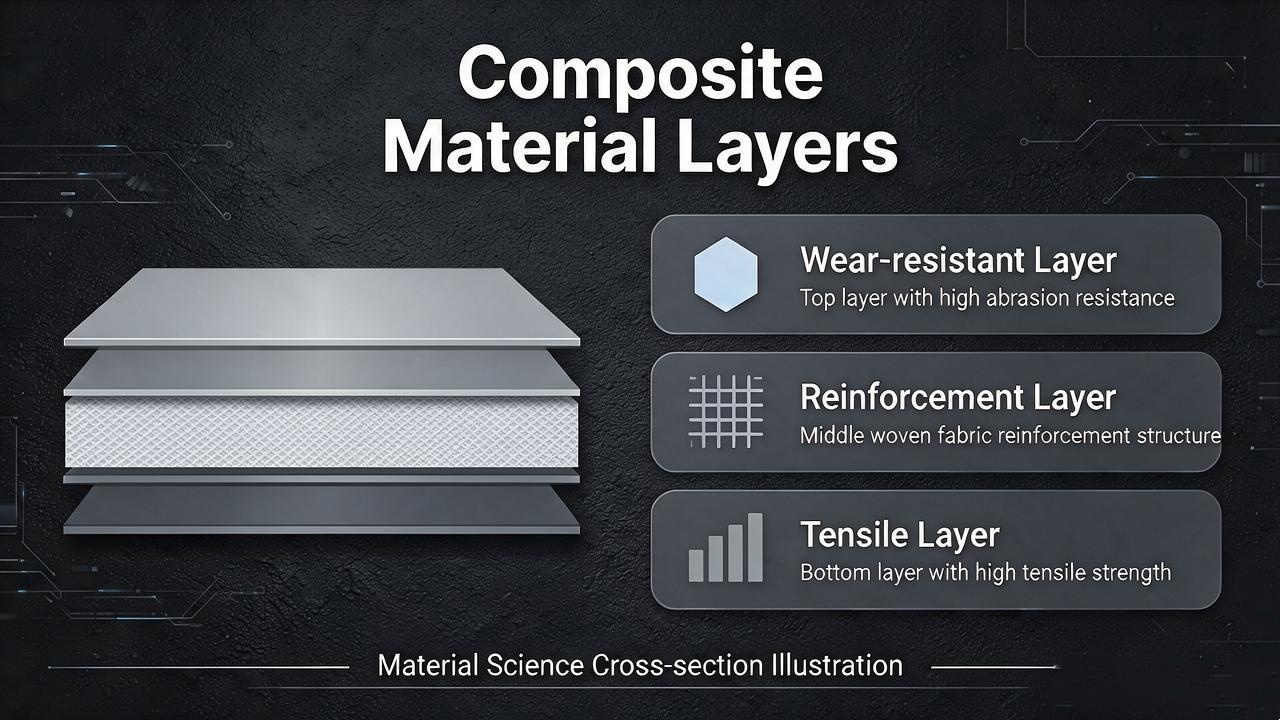
Common Types
Flat Belt – Most versatile; flat surface. Ideal for boxes and packages. Light to medium loads.
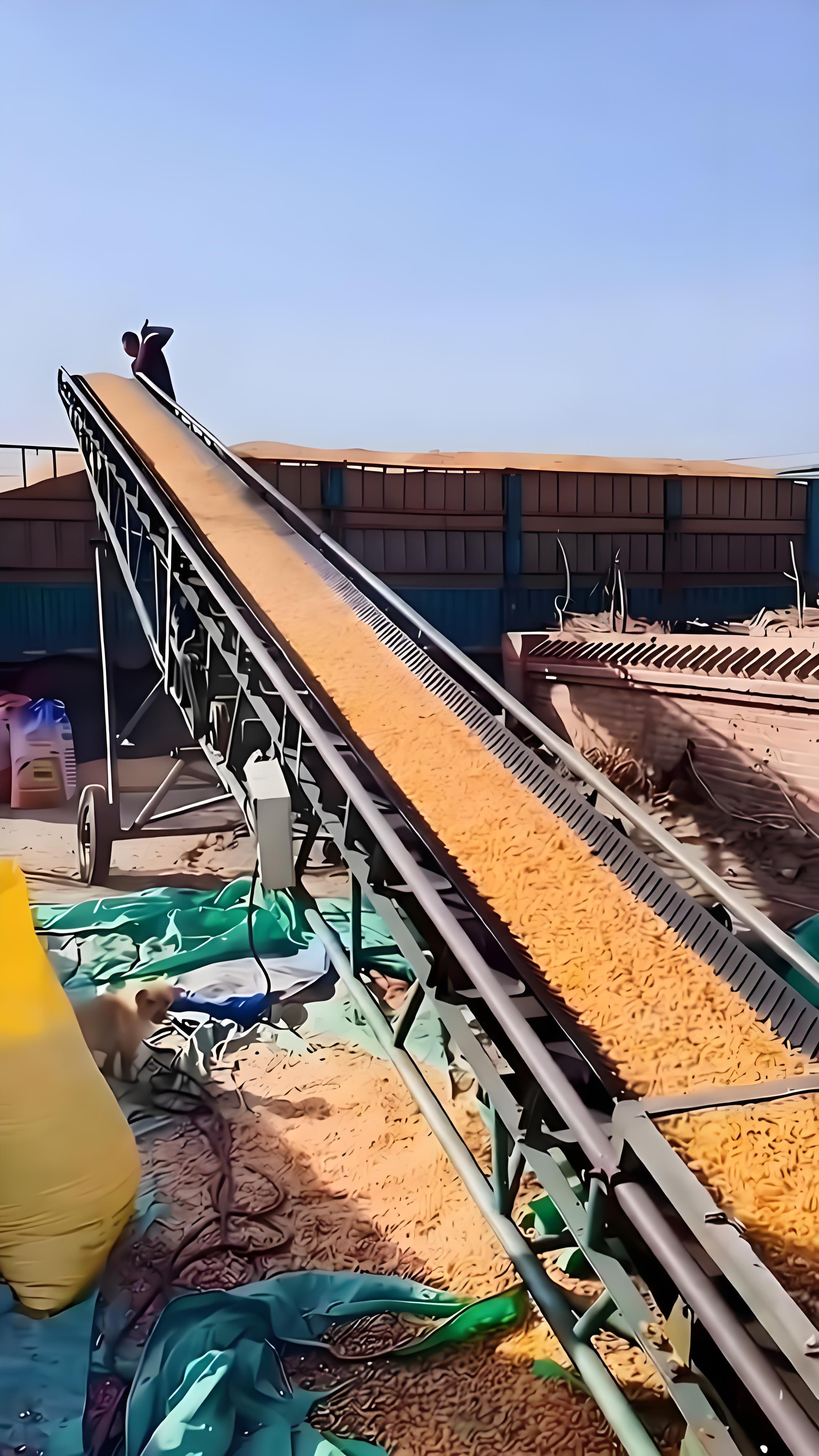
Cleated Belt – Raised barriers prevent slipping on inclines up to 30°. Used in agriculture and recycling.
Modular Belt – Interlocking plastic modules; damaged sections replaceable. Preferred for food processing and pharmaceuticals.
Inclined Belt – Elevates materials at 18°–90°. Standard trough up to 18°; cleated for 18°–30°; pocket/sidewall for up to 90°.
Mobile Belt – Portable with wheels or tracks. Ideal for temporary lines and construction sites.
Trough Belt – Idlers at 20°–45° form a trough‑shaped profile. Standard for bulk commodities over long distances.
Industry Standards
ASME B20.1‑2021 – Conveyor safety standards
NFPA 79‑2021 – Electrical standards for industrial machinery
ISO 5048 – Power and tension calculation methods
FDA – Food‑grade material compliance (where applicable)
Key Applications
Mining & Quarrying – Heavy‑duty transport of ore, coal, aggregates; steel‑cord belts for long‑distance haulage.
Food Processing – Sanitary systems with stainless steel frames and FDA‑approved belting.
Automotive Manufacturing – Assembly line transport of components and subassemblies.
Warehousing & Logistics – Sorting, merging, and package transport.
Agriculture – Grain handling and bulk material transport.
Field Performance Data
During a site audit we conducted at a copper mining operation in northern Chile, we observed that the existing fabric‑ply belt was failing every 14–16 months due to high ambient temperatures (daily peaks of 35°C) combined with material temperatures exceeding 180°F. After replacing with steel‑cord belting and installing automated take‑up tensioning, we tracked performance for 18 months. The data showed: unscheduled downtime dropped from 84 hours to 48 hours annually (42% reduction), belt life extended to 36 months, idler replacement frequency dropped by 55%, and annual maintenance savings exceeded $180,000. The upgrade investment was recovered within 11 months.
Common Specification Mistakes to Avoid
Mistake #1: Specifying by Price Alone – A lower‑cost belt may fail within 12 months, while a properly specified belt lasts 5+ years.
Mistake #2: Ignoring Trough Angle – A 45° trough provides up to 30% more capacity than a 20° trough on the same belt width.
Mistake #3: Neglecting Impact Zone Protection – Standard idlers at load zones rather than impact idlers can reduce belt life by 40–60%.
Selection Guide
Choosing the right industrial conveyor belt system requires evaluating four key factors:
1. Material Characteristics
Temperature: Standard belts handle up to 200°F; heat‑resistant up to 400°F.
Abrasiveness: Low abrasion (Mohs <3) → 4–6mm cover, 8–10 years life. Medium (Mohs 3–5) → 6–10mm cover, 5–7 years. High (Mohs >5) → 10–15mm cover, 3–5 years.
Chemical Exposure: Oil/grease → NBR compound, <20% volume swell. Acids → Neoprene or PVC. Alkalis → EPDM.
2. Load Capacity and Throughput
Standard belt widths: 400–2000mm. Speeds: 0.5–5.0 m/s.
3. Conveying Path
Maximum incline: 18° (standard), 30° (cleated), up to 90° (pocket/sidewall).
4. Operating Environment
Outdoor systems require weather‑resistant materials. Food applications require FDA‑compliant materials and washdown‑capable designs.
Field‑Verified Rule of Thumb
Based on conveyor installations we have audited across multiple facilities, we recommend specifying belt width one size larger than the calculated requirement when handling materials with >5% moisture content. In our experience, moisture causes material buildup on idlers that effectively reduces usable belt width by 5–10% within the first year of operation. This simple adjustment has consistently reduced unplanned maintenance calls in high‑moisture applications.
Frequently Asked Questions
Q: What is the maximum incline angle?
A: Standard troughed belts: up to 18°. Cleated/chevron: up to 30°. Pocket/sidewall: up to 90°.
Q: What temperature range can belts handle?
A: Standard: up to 200°F. Heat‑resistant (EPDM/silicone): up to 400°F.
Q: What are the main belt construction types?
A: Fabric‑ply (versatile, most applications), steel‑cord (long‑distance, up to 5000 N/mm), and solid‑woven (underground, fire‑resistant).

Q: What is the typical service life?
A: Light‑duty: 8–10 years. Heavy‑duty mining: 3–5 years.
Q: What is the typical ROI?
A: Most operations see payback within 12–24 months. Replacing 3–5 manual handlers saves $60,000–$120,000 annually. Annual savings often exceed $100,000 for medium‑sized facilities.
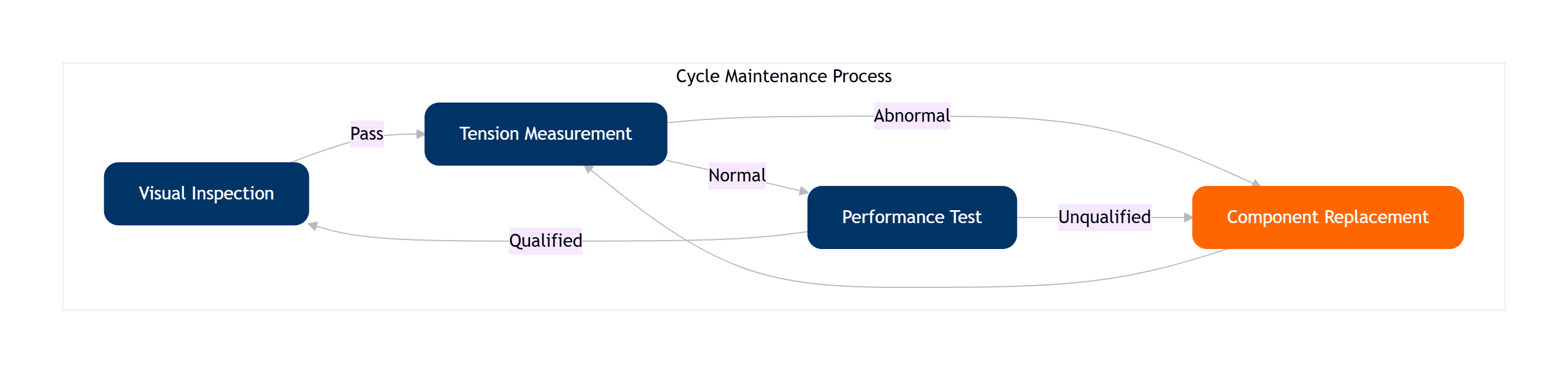
Maintenance Best Practices
| Frequency | Task | Key Indicator | MTBF (Hours) | Replacement Interval | Action if Out of Range |
|---|---|---|---|---|---|
| Daily | Visual belt inspection; emergency stop test | No tears; edge wear <5%; safety devices activate within 2s | — | — | Schedule repair; replace faulty safety devices |
| Weekly | Belt tension/sag; roller rotation | Sag: 1.5–2% of idler span; all rollers rotate freely | — | — | Adjust take‑up; replace seized rollers |
| Monthly | Splice inspection; drive alignment | No separation/cracking; alignment within 0.05mm | 8,000–12,000 | Condition‑based | Schedule splice repair; realign drive |
| Quarterly | Bearing inspection | Free rotation; no noise | 40,000–60,000 | 12–18 months | Replace seized or noisy bearings |
| Annually | System audit; compliance review | OEM specs met; certifications current | — | — | Develop capital replacement plan; recertify |
Lubrication: Most bearings require relubrication every 3–6 months under normal conditions—more frequently in high‑temperature or dusty environments.
Documentation: Maintain detailed maintenance logs. Comprehensive records typically achieve 15–20% longer belt service life.
Conclusion
An industrial conveyor belt system is a critical investment for any operation seeking to improve efficiency, safety, and throughput. By understanding key components, selection criteria, and maintenance practices, facility managers can make informed decisions that deliver long‑term value. Whether for heavy‑duty mining, sanitary food processing, or high‑speed logistics, the right industrial conveyor belt system delivers measurable operational improvements and maximizes return on investment.