E-mail: sale@xxdahan.com
Follow Us 


Coal handling belt conveyor systems serve as the backbone of modern processing facilities, ensuring continuous, high-volume material flow under severe operating conditions. Prioritizing absolute reliability and structural integrity in system design bridges operational efficiency with strict safety compliance, ultimately minimizing unexpected downtime across bulk transport networks.
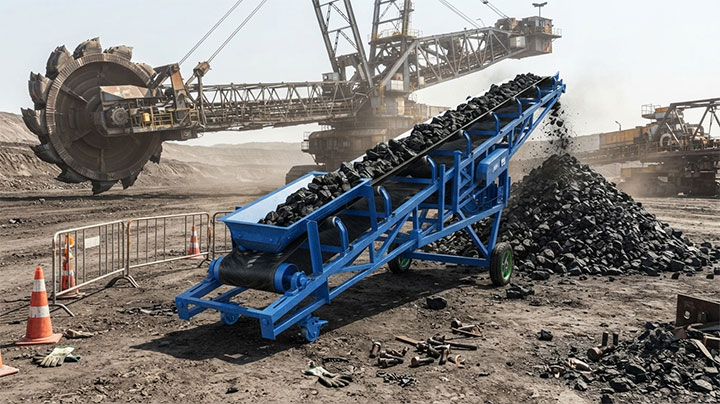
Accurate evaluation of coal material characteristics is the foundation of reliable conveyor engineering. Failing to account for specific physical properties often leads to severe component wear, material spillage, and unexpected bottlenecks.
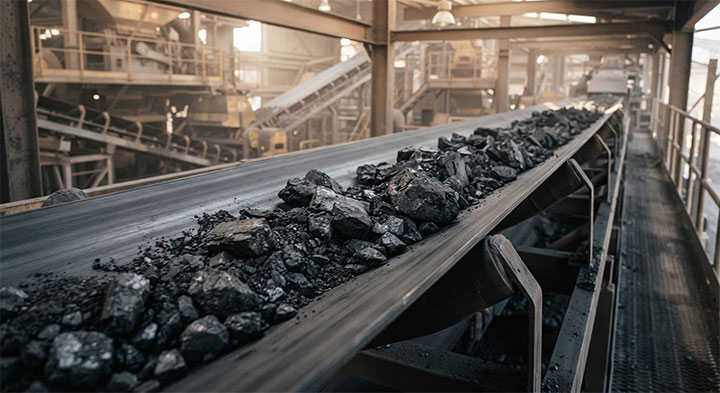
Precise engineering design parameters and standardized calculations are essential to balance load capacity, belt tension, and power consumption in heavy-duty transport systems.
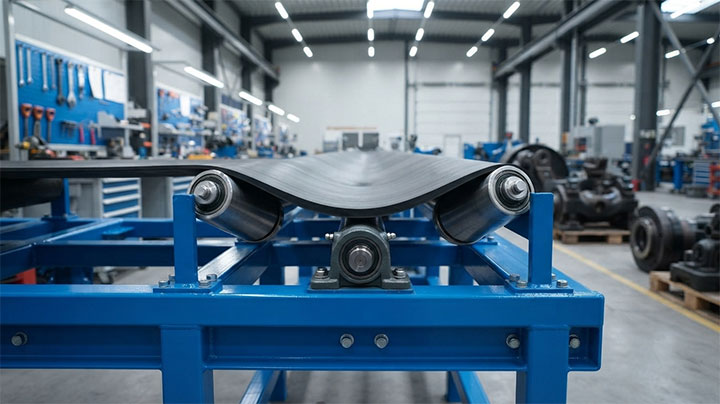
Anticipating engineering challenges during the planning phase prevents costly operational failures, premature component wear, and safety hazards in industrial coal transport.
Underestimating Starting Torque: Failing to account for heavy, full-load startup conditions can cause severe motor stress, drive slippage, or catastrophic belt tearing.
Ignoring Transient Impact Spikes: Heavy coal dropping onto raw transfer points without adequate cushioning creates high dynamic impact forces that fracture idlers and damage belt carcasses.
Improper Idler Alignment: Poorly aligned idlers lead to continuous belt wandering, edge fraying, and accelerated structural wear that drastically shortens component lifespan.
Neglecting Weather Impacts: Ignoring ambient temperature drops or heavy moisture can cause wet coal to freeze to the belt or severely clog transfer chutes, halting production entirely.
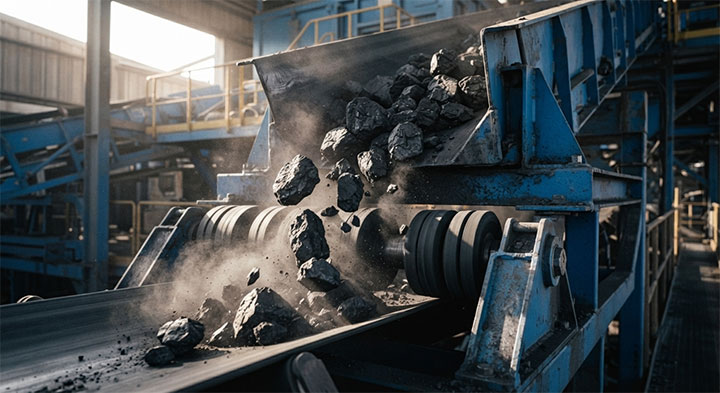
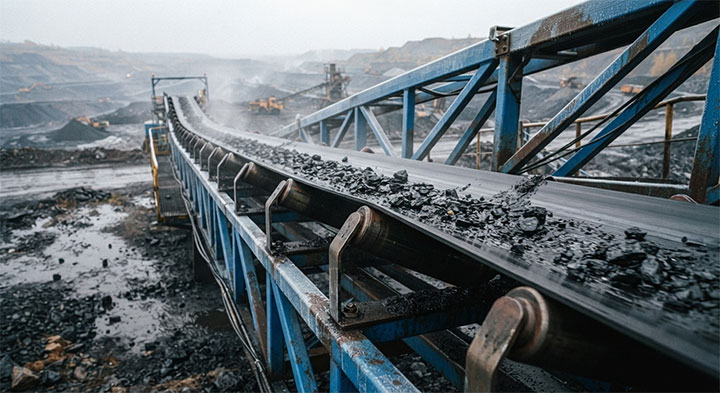
Selecting durable, high-performance mechanical components is vital to withstand the rigorous demands of continuous coal transport and heavy-load operations.
Ensuring compliance with recognized industrial safety standards protects personnel and maintains continuous, hazard-free operations in heavy-duty coal handling facilities.
Regulatory Compliance: Adhering to standards such as ASME B20.1 and OSHA guidelines ensures proper physical safeguarding around moving pulleys, pinch points, and drive units.
Physical Guarding Standards: Installing robust mesh guards and enclosed barriers prevents accidental worker contact with high-speed components and rotating shafts.
Pull-Cord Switches and E-Stops: Strategically positioning emergency pull-cords and safety stop buttons along both sides of the conveyor allows immediate shutdown during anomalies.
Lock-Out/Tag-Out (LOTO) Procedures: Integrating standardized LOTO isolation points ensures maintenance teams can safely service drives and idlers without risk of unexpected startup.
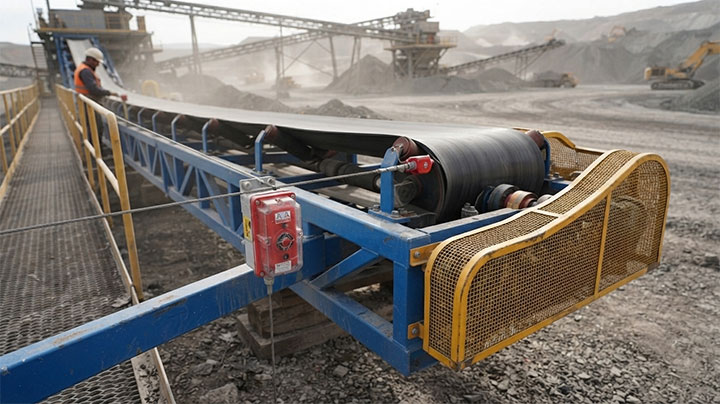
Controlling fugitive dust and material spillage is critical to meeting environmental regulations, protecting equipment, and maintaining a safe, clean operating environment in coal facilities.
Primary and Secondary Cleaners: Installing polyurethane or tungsten-carbide blade scrapers at the discharge pulley effectively removes carryback and prevents sticky coal buildup on return idlers.
Return Idler Plows: Placing diagonal plows ahead of the tail pulley deflects stray material away from the belt path, protecting the internal components from being crushed.
Water Spray and Dust Suppression: Utilizing misting systems or eco-friendly chemical surfactants at transfer points captures airborne particles before they disperse into the plant.
Enclosed Chutes and Skirting: Maintaining tight, rubber-sealed skirting along transfer zones locks in fugitive dust and directs displaced air safely through dedicated baghouse dust collectors.
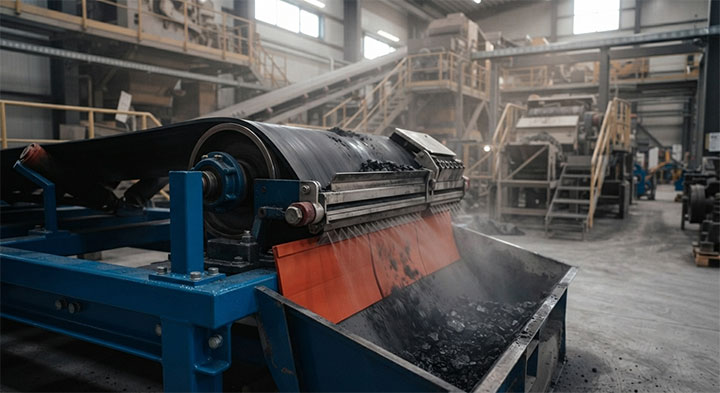
Examining a real-world engineering retrofit highlights how custom design strategies successfully overcome severe spatial limitations and heavy-duty performance demands in existing coal handling plants.
Faced with a restricted footprint and long haul distances, the upgrade utilized a high-efficiency hybrid drive configuration combined with automated safety interlocks. This tailored approach drastically reduced energy consumption, eliminated frequent belt slippage, and minimized unscheduled maintenance downtime during peak operational cycles.

What are the primary safety standards for coal handling belt conveyors?
Key standards include ASME B20.1 and OSHA guidelines, which govern physical safeguarding, emergency stop placement, and risk mitigation around moving mechanical parts.
How do you calculate the required motor power for a high-capacity coal conveyor?
Motor power is determined using CEMA standards by calculating effective belt tension, which accounts for friction resistance, material weight, vertical lift, and drive efficiency.
Effective measures include installing multi-stage belt scrapers, using sealed transfer chutes with adjustable skirting, and implementing water spray or dust suppression systems at critical transfer points.
Custom Conveyor Solutions: Engineered for maximum efficiency, safety, and durability under severe industrial conditions. Contact our expert engineering team today for a tailored quote, technical layout design, or professional consultation.
CONTACT
WhatsApp:+86 18339211009
Email:sale@xxdahan.com
Add:China, Henan Province, Xinxiang City.Yanjin county forest park gate to the west 1000 meters north road