E-mail: sale@xxdahan.com
Follow Us 


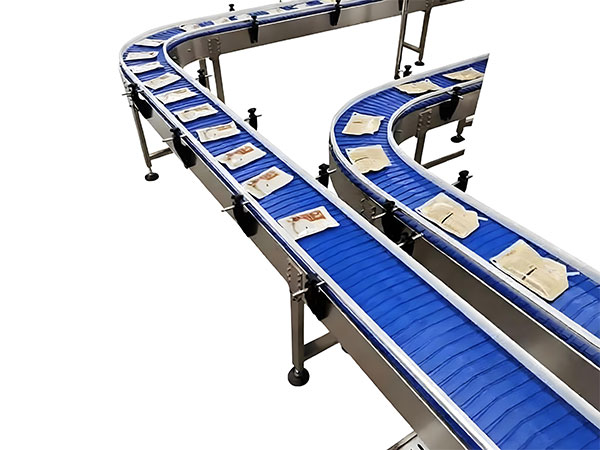
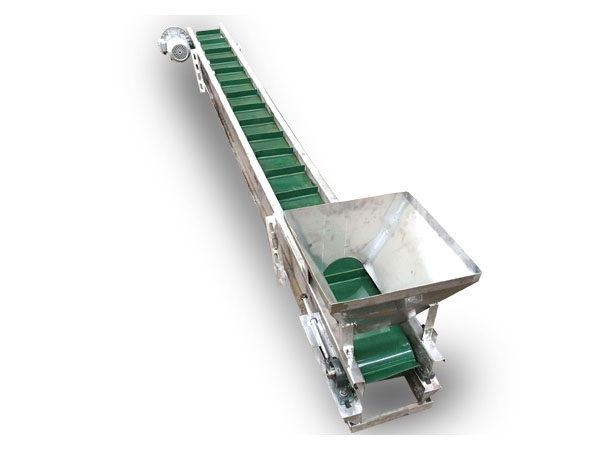
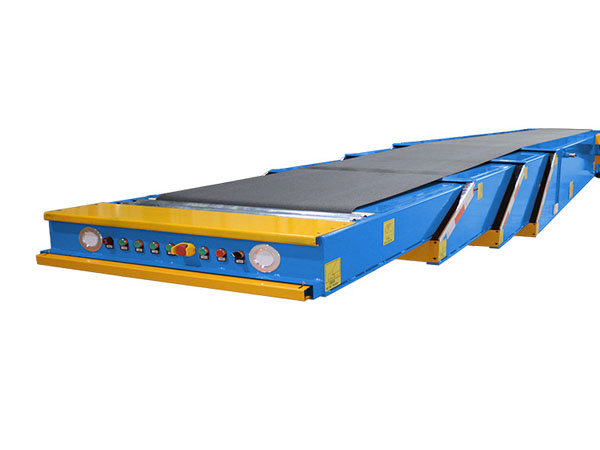
A multi-conveyor system usually consists of two or more types of conveying equipment to complete horizontal transport, inclined conveying, vertical lifting and material transfer between different production processes.
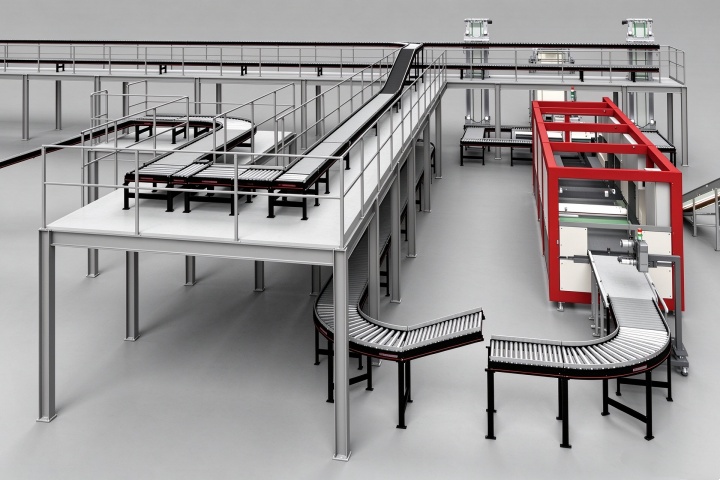
When carrying out multi-conveyor system selection, you cannot only check the parameters of individual conveyors. It is also necessary to confirm a proper equipment combination by combining material properties, conveying routes, production output and the coordination between each unit.
For multi-conveyor system selection, you first need to clarify all conveying stages the materials will go through, then select equipment according to the task of each stage.
| Conveying Requirement | Recommended Equipment Combination | Main Function |
| Horizontal conveying followed by vertical lifting | Belt Conveyor + Bucket Elevator | Completes horizontal transport and vertical lifting |
| Powder materials need to be conveyed to a high place | Screw Conveyor + Bucket Elevator | Completes powder conveying and height lifting |
| Need to control the feed rate and convey continuously | Vibrating Feeder + Belt Conveyor | Uniform feeding and continuous transport |
| Transfer between different production processes | Screw Conveyor + Belt Conveyor | Completes material transfer according to process positions |
For example, if cement powder needs to be delivered from a low-level silo to an elevated storage tank, a screw conveyor can first feed materials into a bucket elevator for vertical lifting. If the horizontal conveying distance is long, belt conveyors can be added according to the site layout.
Material characteristics directly determine the choice of conveying equipment during multi-conveyor system selection. For the same conveying route, suitable equipment for powder materials may differ from that for granular materials, which is a core judgment point in multi-conveyor system selection.
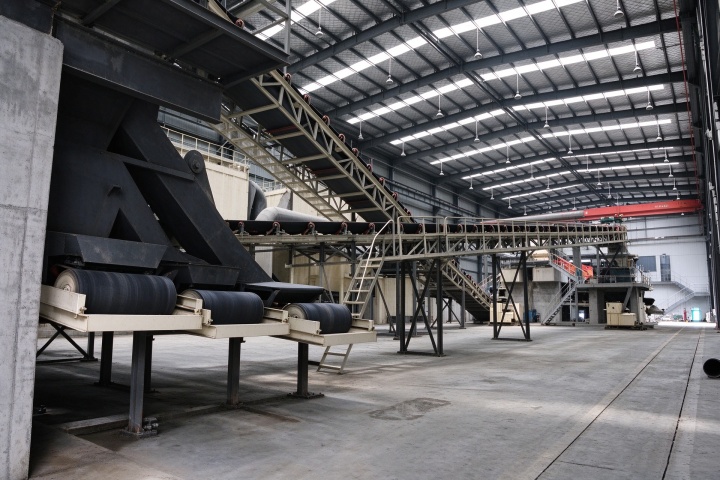
Powder materials: Such as cement and fly ash. Sealing performance and dust control are priorities; screw conveyors are recommended.
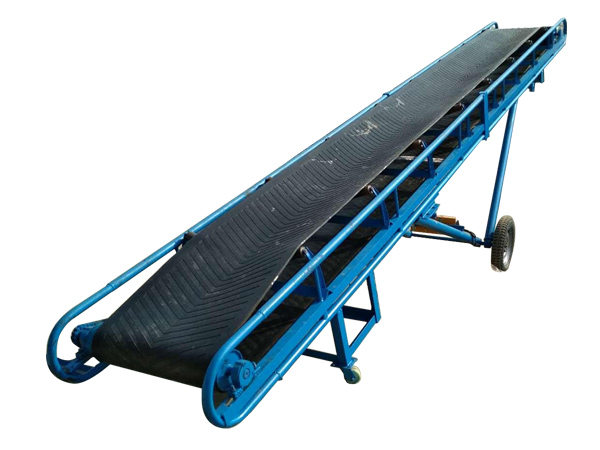
Granular materials: Such as corn kernels and plastic pellets. Focus on particle size and breakage rate. Belt conveyors work for horizontal transport.
Highly abrasive materials: Such as sand, gravel and mineral powder. Wear resistance of contact parts should be prioritized, and wear liners can be installed if necessary.
Damp or sticky materials: Check whether the materials tend to adhere, agglomerate or block. Select proper conveying structures based on moisture content and flowability.
Multi-conveyor system selection also requires consideration of the throughput of the whole conveying line. Even if every single machine runs normally, one unit with insufficient handling capacity will restrict the entire production line.
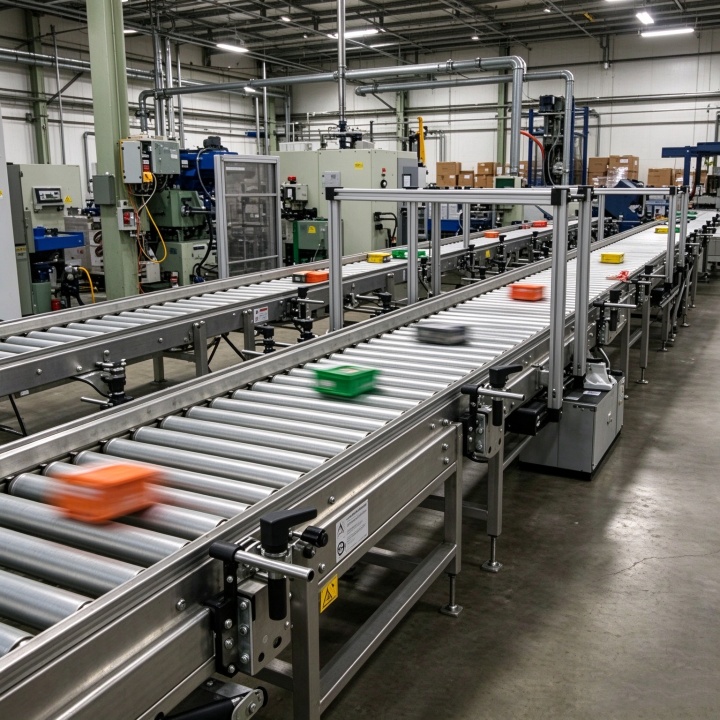
First, confirm the target output of the whole line. For instance, if the production line requires 20 tons of material per hour, the complete system must sustain continuous conveying at 20 t/h.
Second, calculate the capacity of each conveyor type. For belt conveyors, key factors include belt width, belt speed and material cross-sectional area.
Finally, verify the feeding and receiving speed of upstream and downstream equipment.
When multiple conveyors are linked together, smooth material transfer from the upstream unit to the downstream unit must be guaranteed, and reasonable transition design is critical to successful multi-conveyor system selection.
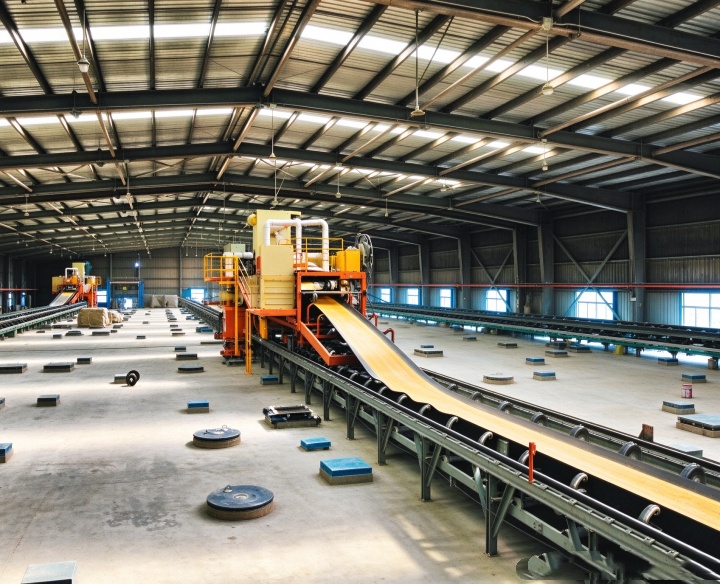
First, check the positions of feeding and discharge ports. If two ports cannot align directly, add chutes or intermediate hoppers.
Second, design connection structures according to material properties. Sealing at joints is required for powder materials to reduce dust leakage. For granular materials, control the drop height to avoid heavy impact on materials.
Multi-conveyor systems have different configuration requirements under different production conditions. Do not add extra accessories blindly; select them based on actual working conditions as you carry out multi-conveyor system selection.
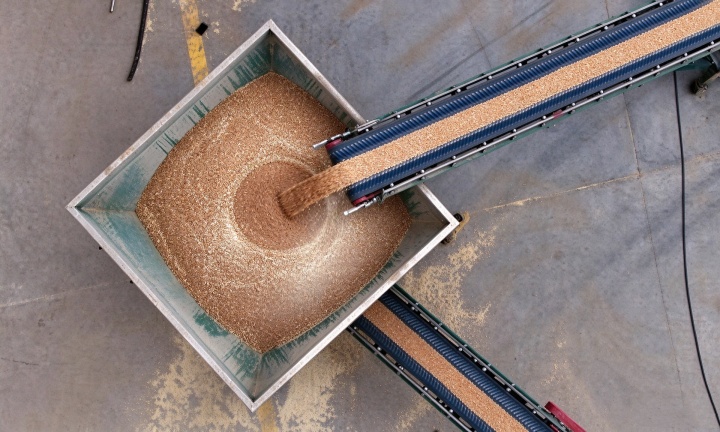
Variable frequency drive: Used when adjusting conveying speed or feeding rate is required.
Wear liner: Considered for conveying highly abrasive materials such as sand and mineral powder.
Sealing structure: Applied for dust-generating materials like cement powder and fly ash.
Stainless steel construction: Selected for corrosion resistance or sanitary requirements.
Automatic control system: Used when multiple conveyors need to run sequentially in linkage.
Q1: What Factors Should Be Considered in Multi-Conveyor System Selection?
A: Material properties, conveying distance, lifting height, target output and connection methods between conveyors are the main considerations.
Q2: How Do You Choose the Right Equipment for Multi-Conveyor System Selection?
A: First confirm the conveyor type according to conveying tasks. Belt conveyors are for horizontal transport, screw conveyors for closed powder conveying, and bucket elevators for vertical lifting. Then determine equipment specifications combined with material properties and actual output.
Q3: How Do You Match Conveyor Capacity in Multi-Conveyor System Selection?
A: Take the target throughput of the whole conveying line as the benchmark, calculate the handling capacity of each conveyor separately, and make sure the feeding volume from upstream equipment does not exceed the receiving capacity of downstream units to avoid bottlenecks.
CONTACT
WhatsApp:+86 18339211009
Email:sale@xxdahan.com
Add:China, Henan Province, Xinxiang City.Yanjin county forest park gate to the west 1000 meters north road