E-mail: sale@xxdahan.com
Follow Us 


Mini belt conveyor features small size and compact structure, widely used in automated production lines, part transfer, product sorting and supporting small machinery.
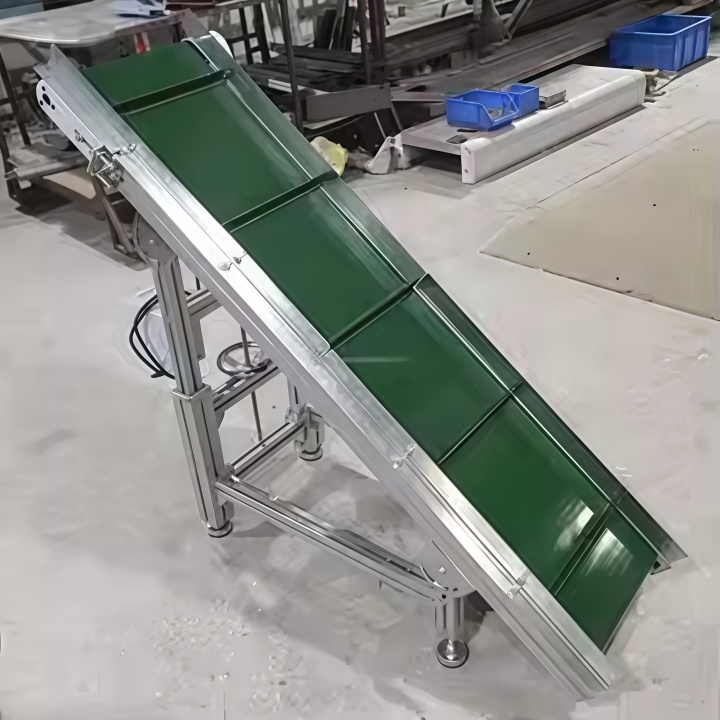
Since production lines have varied conveying requirements, you should not base your selection merely on belt width or price. Other factors including material dimension, weight and conveying distance also need to be taken into consideration.
Mini belt conveyors come in various structural styles, selected mainly according to conveying direction, product shape and production demands.
| Type | Main Features | Applicable Scenarios |
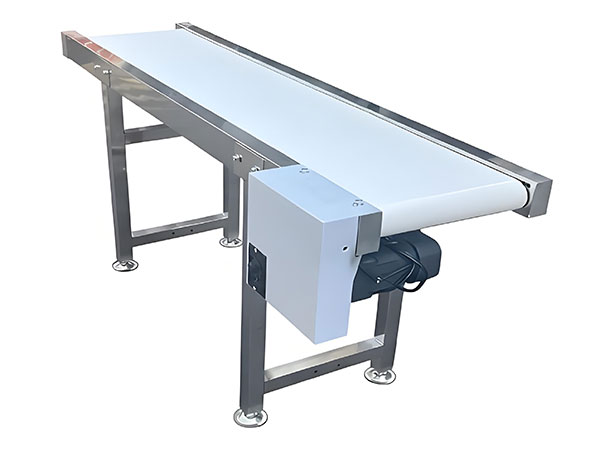
| Flat Belt Conveyor | Simple structure, suitable for horizontal conveying | Small parts, packaged products, electronic components |
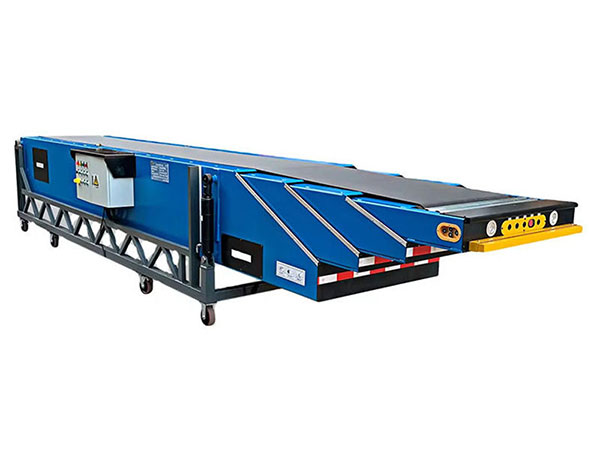
| Inclined Belt Conveyor | Can convey materials to different heights | Material transfer between upstream and downstream processes |
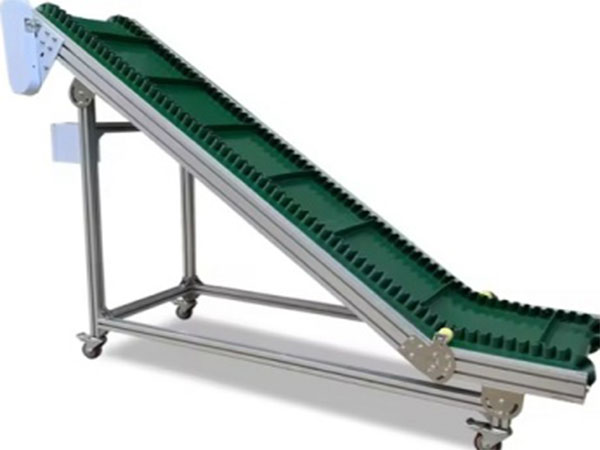
| Cleated Belt Conveyor | Reduces material slipping through cleats | Bulk material conveying at a certain inclination angle |
| Side-Guided Belt Conveyor | Restricts lateral movement of materials | Conveying of small parts and regular products |
Flat belt conveyors are generally suitable for regular individual products. Inclined models are an option when a change in conveying height is required. For materials prone to rolling or slipping, baffles or side guides can be adopted based on the inclination angle and material characteristics.
Belt width, conveyor length and running speed directly decide whether the conveyor can meet your production requirements.
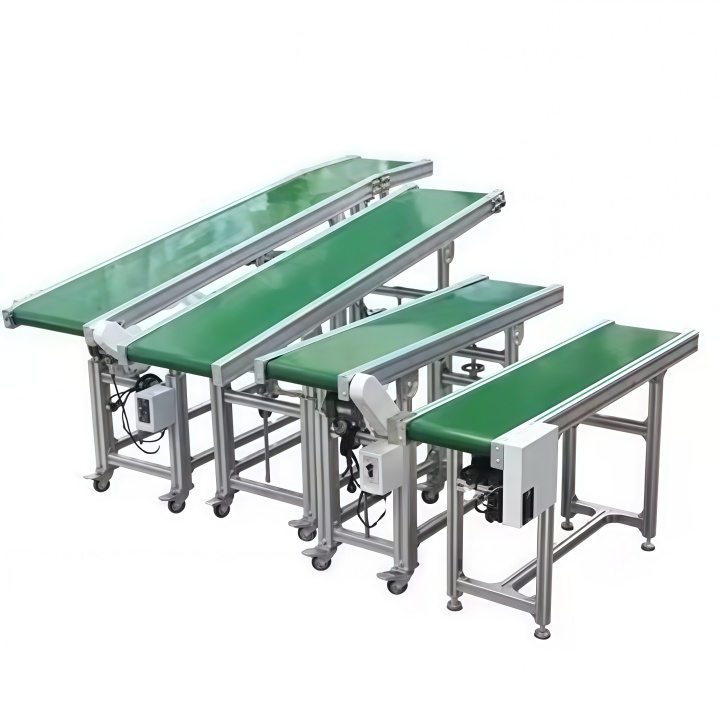
Belt width: Determined by the maximum width of materials, with proper clearance reserved on both sides to prevent products from falling or rubbing against the frame.
Conveyor length: Set by the actual distance between the feeding and discharging points, while leaving space for installation and interconnection with other equipment.
Conveying speed: Calculated based on output per minute, material spacing and processing speed of downstream machines. Excessively high speed may disrupt sorting or processing, while low speed will fail to keep up with the production cycle.
Below are the parameter references for three common series:
| Series | Belt Width | Standard Length | Speed Range |
| DH-M100 | 100–200 mm | 0.5–3 m | 3–50 m/min |
| DH-M200 | 200–500 mm | 1–5 m | 3–122 m/min |
| DH-M300 | 100–400 mm | 0.5–3 m | 3–50 m/min |
Mini belt material shall be chosen according to material properties and working environment, as different materials differ in wear resistance, oil resistance and other performances.
| Belt Material | Main Features | Applicable Materials or Scenarios |
| PVC | Common and economical, suitable for general conveying | Ordinary parts, packaged products |
| PU | Surface is easier to clean, suitable for scenarios with hygiene requirements | Food contact scenarios, light products |
| Rubber | Higher friction, with a certain degree of wear resistance | Materials that tend to slip |
| Anti-static Belt | Helps reduce static accumulation | Electronic components and static-sensitive products |
Load capacity and motor power are confirmed by comprehensive conveying conditions instead of only the total weight of materials.
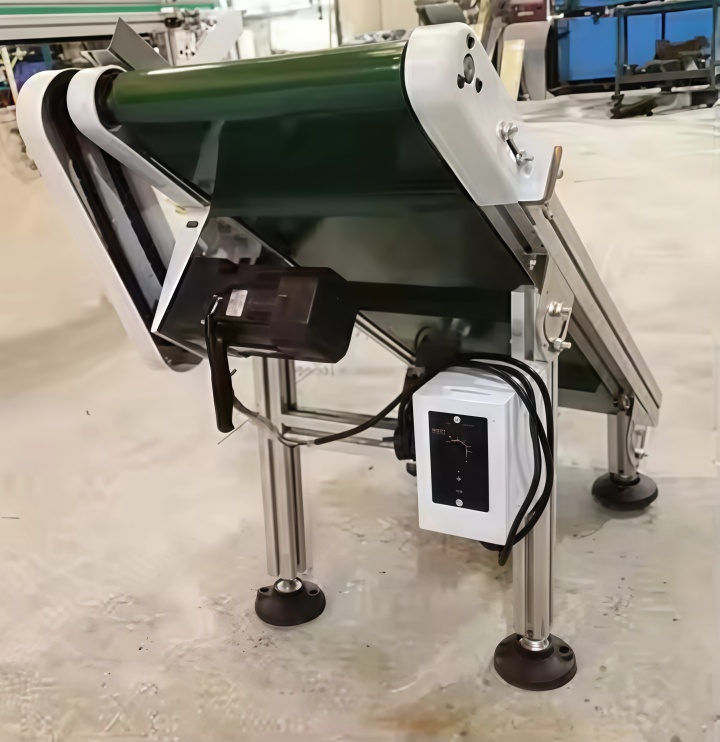
First, check the weight of a single item and the quantity of products on the belt at one time to work out the total load. Material layout also matters: evenly distributed goods and concentrated stacking impose different stress limits on the belt and frame.
Besides, conveying speed and inclination angle affect motor selection. Higher speed, longer conveying distance or inclined lifting will bring extra load to the drive unit.
For example, continuous conveying of light small parts and intermittent conveying of heavy goods may demand different motor power and structural designs, even with the same total load weight.
Standard sizes may not fit every production line due to different installation spaces and operating requirements. Mini belt conveyors support customized dimensions and drive configurations to suit practical needs.
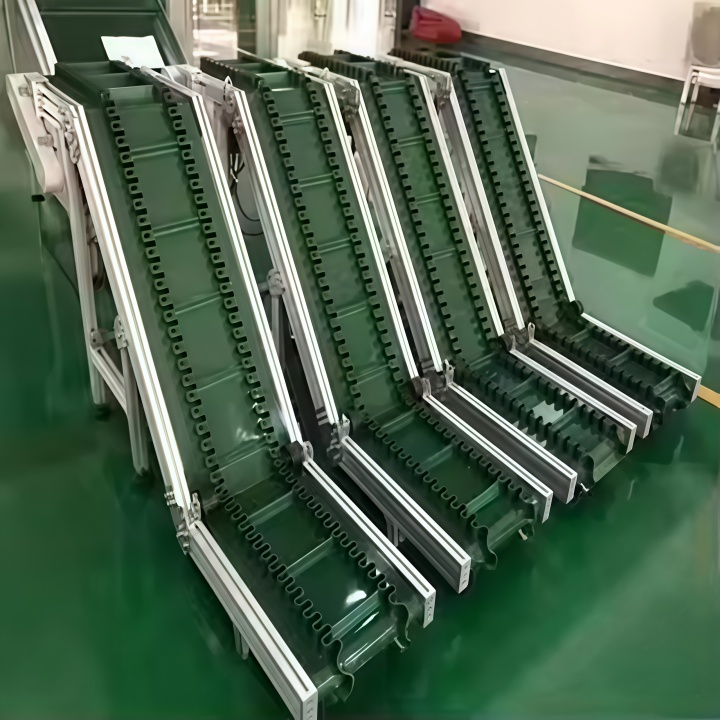
For instance, for production lines with limited space, we can adjust the conveyor’s width, length and body height to fit on-site conditions. If the conveyor connects two machines at different heights, measure the heights of the feed and discharge ends in advance to confirm the proper equipment size.
For lines requiring different operating speeds, matching motors and speed control systems can be equipped to synchronize the belt speed with upstream and downstream equipment. For long-hour continuous operation, the drive configuration should be selected according to the actual load.
Frame materials are also optional based on working environment and load requirements, including aluminum alloy, painted steel and stainless steel, subject to the model series and configuration plan.
Q1: Can a Mini Belt Conveyor Be Customized?
A: Yes. The belt width, conveyor length, frame height, belt material and motor configuration can be adjusted according to the actual application requirements.
Q2: How Much Weight Can a Mini Belt Conveyor Handle?
A: Load capacity depends on the conveyor model, belt width, material distribution and operating conditions. Confirm the maximum rated load before selection.
Q3: Can a Mini Belt Conveyor Run at an Adjustable Speed?
A: Yes. Variable-speed motors or speed controllers are available if the conveyor needs to adapt to different production speeds or coordinate with other equipment.
Selecting a suitable mini belt conveyor involves more than comparing dimensions and prices. Belt width, length, speed, material, load capacity and installation conditions are all critical factors for decision-making.
CONTACT
WhatsApp:+86 18339211009
Email:sale@xxdahan.com
Add:China, Henan Province, Xinxiang City.Yanjin county forest park gate to the west 1000 meters north road