E-mail: sale@xxdahan.com
Follow Us 


Choosing the right food grade conveyor belt is critical for food safety, operational efficiency, and cost control. The wrong material can cause contamination risks, frequent downtime, and failed inspections.
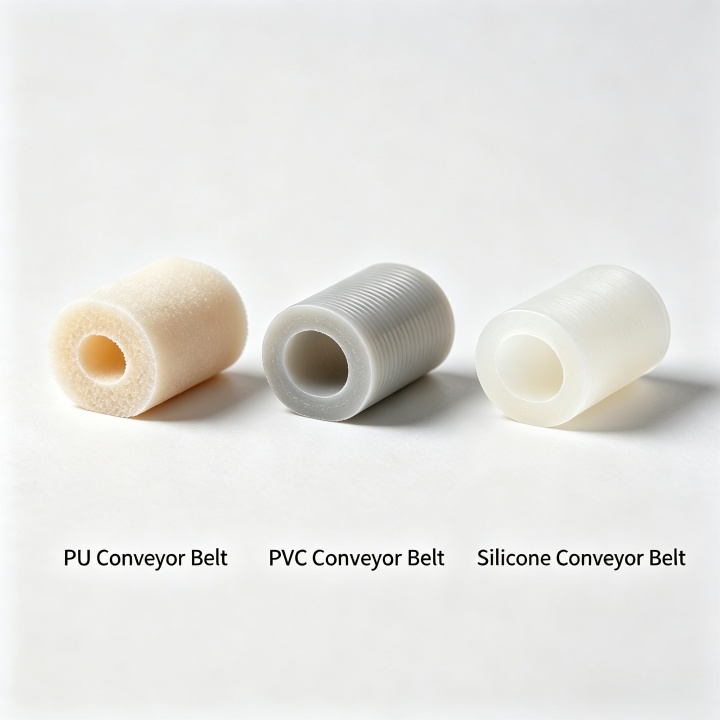
This guide compares PU vs. PVC vs. Silicone across the key decision factors: temperature, chemical resistance, hygiene, and cost.
Best for: Wet, oily, and high-wear applications.
Key Advantages:
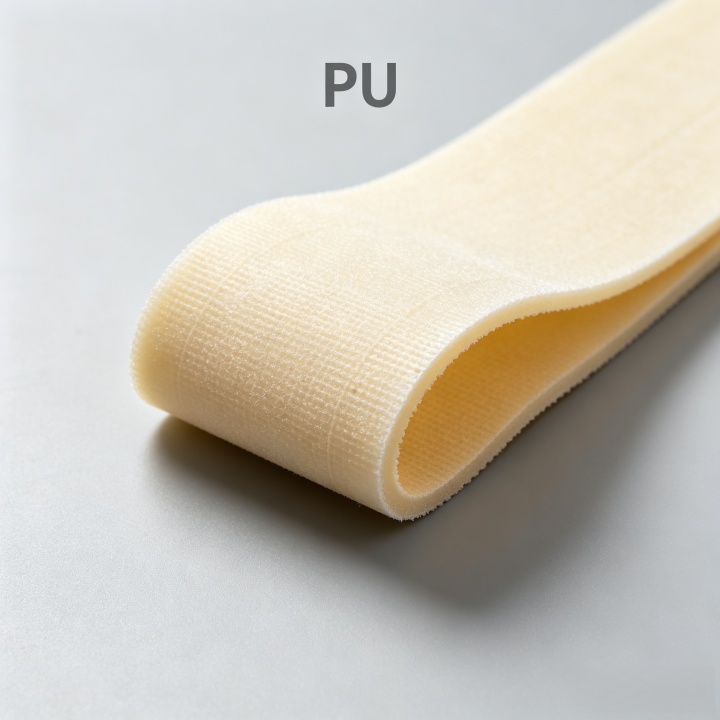
Limitations:
Ideal Applications: Meat, poultry, fish processing; pharmaceutical lines; frequent washdown environments.
Best for: Dry, ambient, cost-sensitive operations.
Key Advantages:
Limitations:
Ideal Applications: Dry food packaging, bakery conveying, light-duty sorting lines.
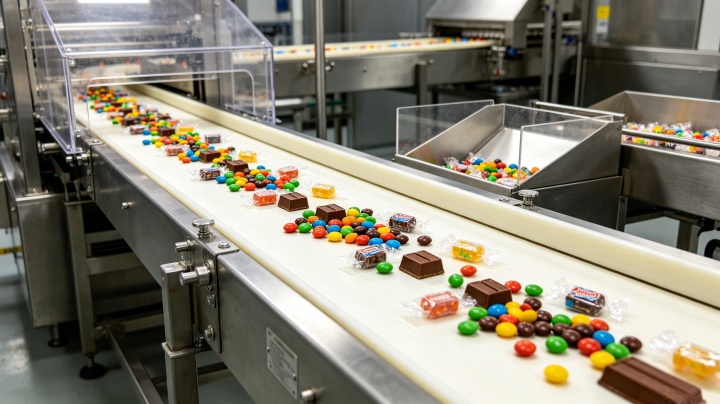
Best for: Extreme temperatures and sticky products.
Key Advantages:
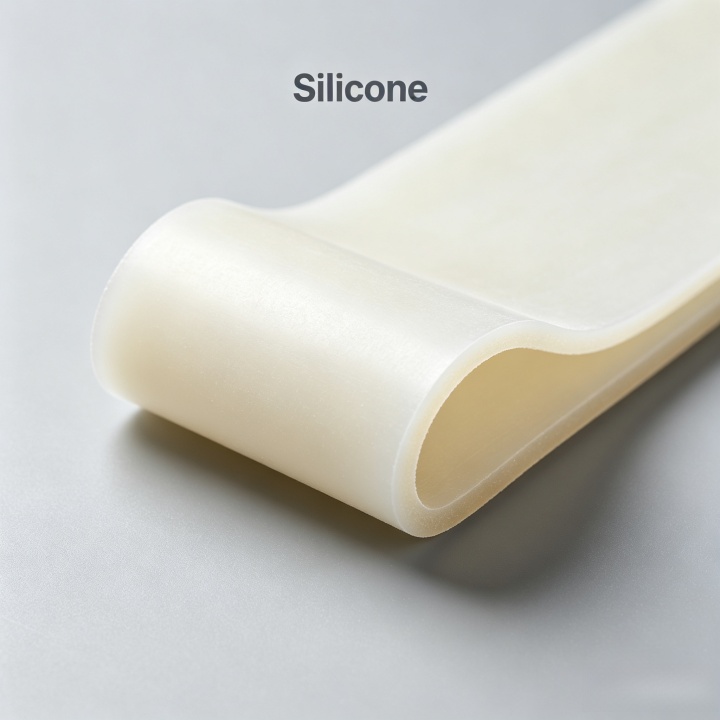
Limitations:
Ideal Applications: Baking, frying, confectionery (chocolate/caramel), freezing lines, shrink-wrap tunnels.
| Feature | PU | PVC | Silicone |
| Temperature | -10°C to 70°C | Up to 70°C | -40°C to 180°C |
| Oil/Fat Resistance | ★★★★★ | ★★★ | ★★★★★ |
| Abrasion Resistance | ★★★★★ | ★★★ | ★★★ |
| Chemical Resistance | ★★★★★ | ★★★ | ★★★★★ |
| Release Properties | ★★★ | ★★★ | ★★★★★ |
| Cost | Medium | Low | High |
| Best Use Case | Wet/oily/clean | Dry/light | Heat/sticky |
| Ask Yourself | If Yes → |
| Temperature > 70°C or < -10°C? | Choose Silicone |
| Conveying oily meat, poultry, or frequent washdown? | Choose PU |
| Dry, light, or budget-critical? | Choose PVC |
Silicone is the clear choice for high temperatures. With a service range of -40°C to 180°C, it remains flexible and food-safe in baking ovens, frying lines, and freezing tunnels, where PU and PVC would quickly fail.
Yes, FDA-compliant PVC belts are available and safe for direct, incidental food contact. However, you must verify the specific belt grade and ensure it meets your local food safety regulations (like FDA or EU 1935/2004). For oily or fatty foods, PU or silicone may be a safer, more durable choice.
PVC is typically the most budget-friendly option. It offers excellent value for dry, ambient-temperature applications like packaging and light sorting. However, consider the total cost of ownership—a more durable PU belt may lower long-term replacement and downtime costs in demanding environments.
Ask two key questions:
1. Is your product wet, oily, or requires frequent washdown? → Choose PU for its superior oil and chemical resistance.
2. Is your application dry and cost-sensitive? → Choose PVC for a reliable, economical solution.
All three materials are washable, but PU has a smooth, dense surface that resists microbial growth and is easiest to clean with standard detergents. Silicone is also easy to clean but may require specific non-oil-based cleaners. PVC is suitable for mild cleaning. Always follow the manufacturer's guidelines for your specific belt.
Choose PU if you need durability, hygiene, and oil resistance for wet or demanding lines.
Choose PVC if you want a reliable, low-cost solution for dry ambient applications.
Choose Silicone if heat, cold, or stickiness eliminates the other two.
Need expert advice? Contact us with your temperature, product type, and cleaning frequency – we'll recommend the optimal belt for your specific line.
CONTACT
WhatsApp:+86 18339211009
Email:sale@xxdahan.com
Add:China, Henan Province, Xinxiang City.Yanjin county forest park gate to the west 1000 meters north road