E-mail: sale@xxdahan.com
Follow Us 


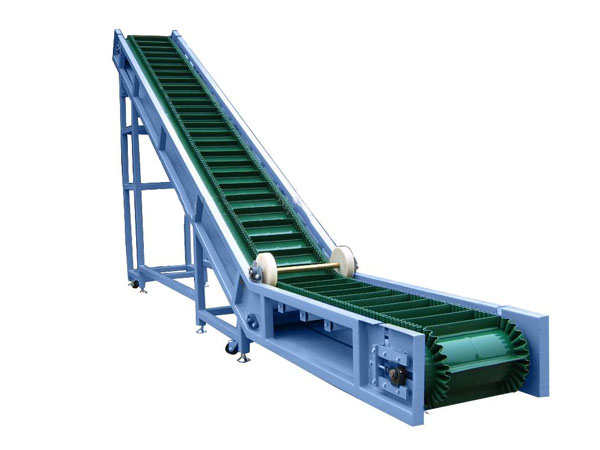
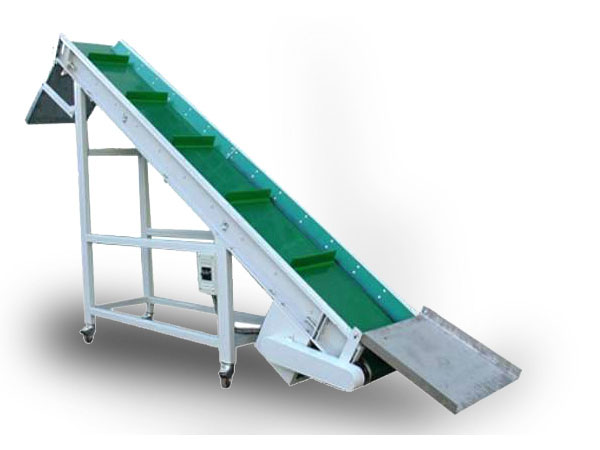
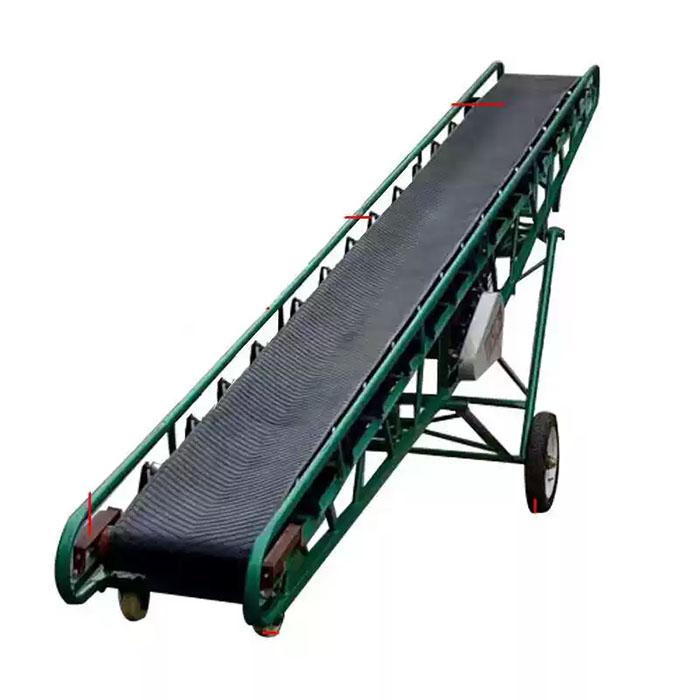
An L-type belt conveyor gets its name from its distinctive 90-degree geometric profile. It features a horizontal intake section at the bottom, a smooth transition curve, and a steep or vertical lifting section equipped with corrugated sidewalls and transverse cleats. This specialized design prevents bulk materials from rolling back or spilling during high-angle elevation.
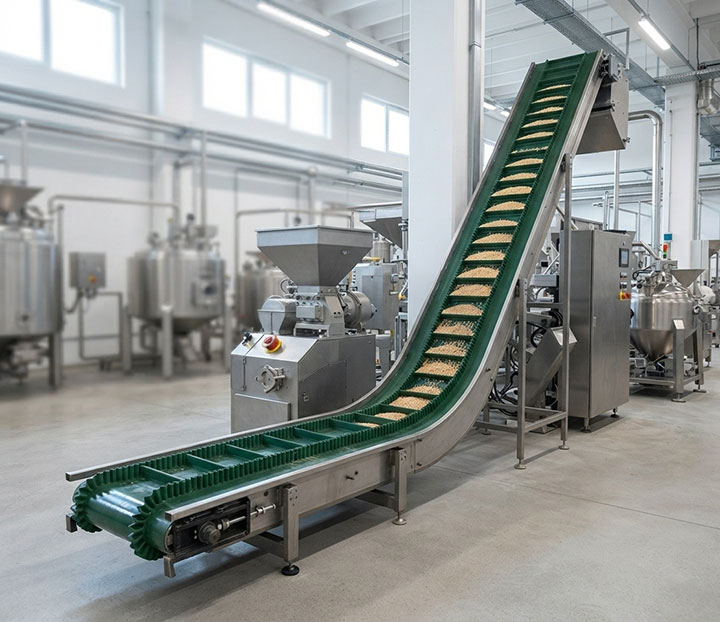
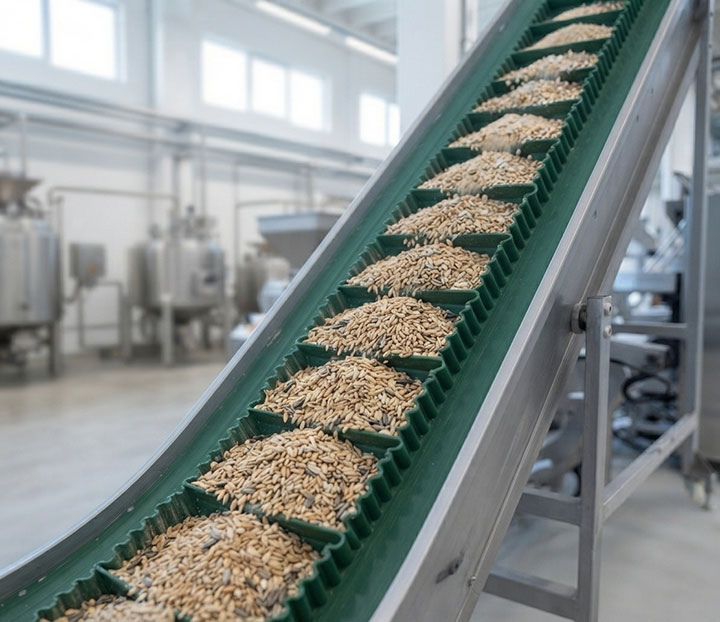
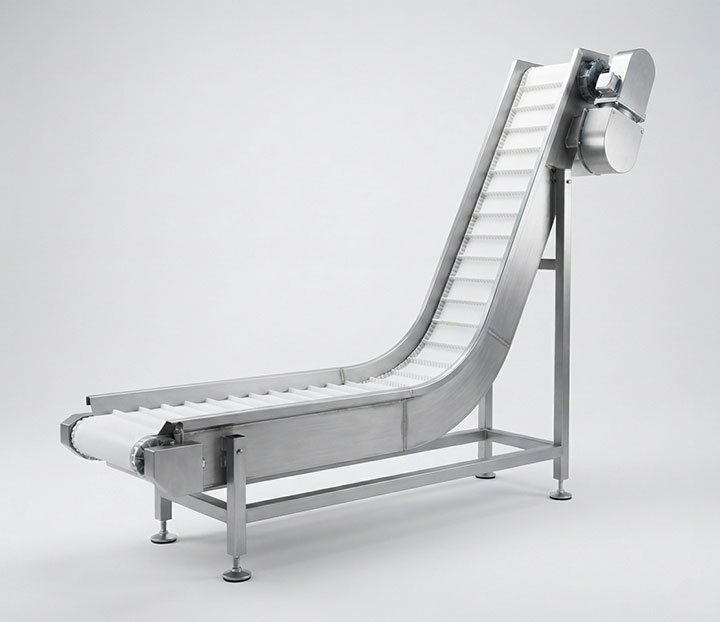
Understanding the operational flow of an L-type belt conveyor helps in optimizing your plant's processing line. The system operates through three continuous stages to transfer materials safely and efficiently from low to high elevations.
Horizontal Feeding Section: The process begins at the low-level intake point. Bulk materials are fed evenly onto the horizontal portion of the belt. This phase ensures a steady, controlled feed rate, preventing overloading or clogging at the initial stage.
Smooth Curve Transition: As the belt moves from horizontal to inclined or vertical travel, it passes through a specially engineered transition section. The flexible structure and guiding rollers ensure a seamless shift without causing material compression, crushing, or scattering.
Our L-type belt conveyors are built to withstand rigorous industrial environments while ensuring maximum output and minimal maintenance. Every component is engineered for reliability and high performance.
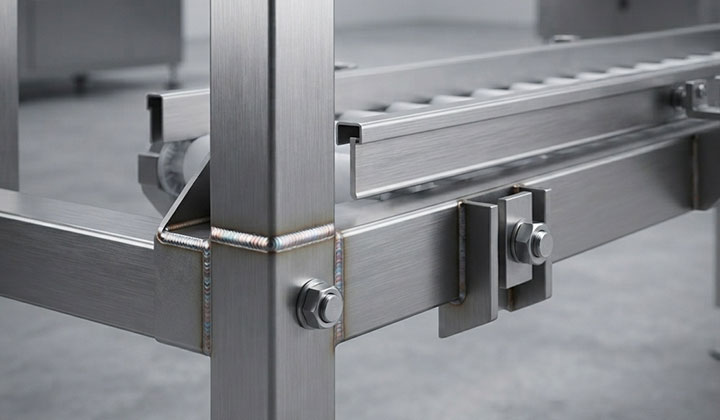
Review our standard technical parameters below to select the right configuration for your project. Fully customized specifications are also available upon request to match your exact layout requirements.
| Feature | Specification Details |
|---|---|
| Conveyor Type | L-Type Belt Conveyor (Cleated / Sidewall) |
| Bandwidth | 400mm - 1200mm |
| Conveying Angle | 30° to 90° (Vertical Elevation) |
| Belt Material | Rubber, Silicone, PVC, PU |
| Max. Capacity | 40 - 1280 t/h |
| Conveying Length | Customized (0.5m - 200m+) |
| Driven Motor Power | 0.75kW - 22kW |
| Frame Material | Carbon Steel, Stainless Steel (SUS304/316) |
To ensure optimal performance and seamless integration into your production line, our engineers evaluate several critical parameters when configuring your L-type belt conveyor:
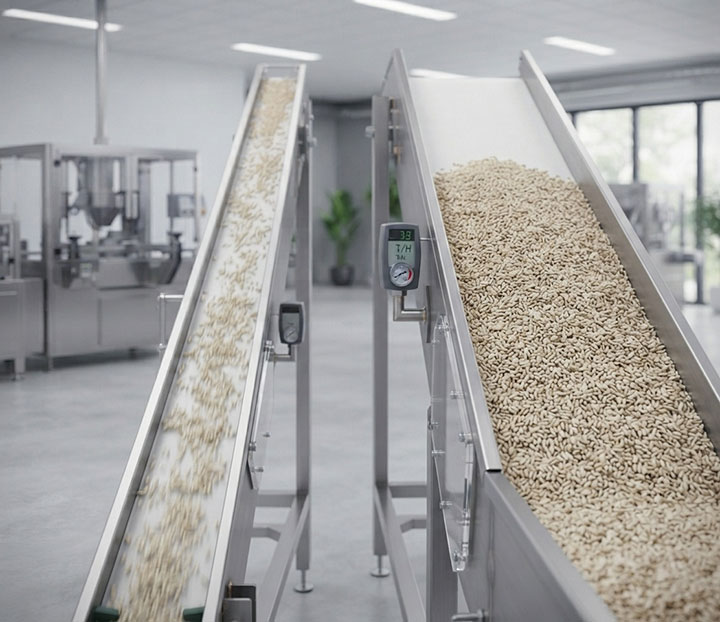
Due to its space-saving design and gentle material handling capabilities, our L-type belt conveyor is widely utilized across various industrial sectors:
Grain & Agriculture: Transporting seeds, grains, corn, and animal feed smoothly without kernel breakage or accumulation.
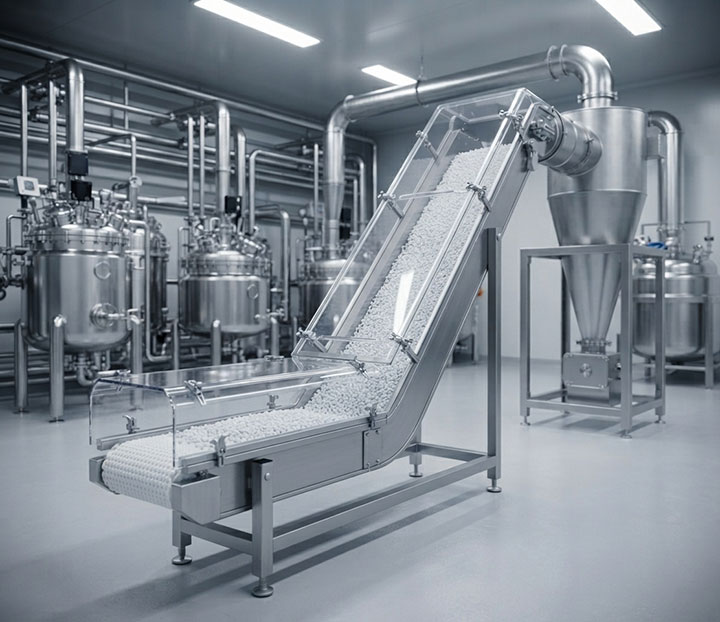
Chemical & Powder Processing: Elevating chemical fertilizers, resin powders, and plastic particles safely under sealed, dust-free conditions.
Food & Pharmaceutical: Handling sugar, salt, beans, and packaged food components using food-grade sanitary belts (PVC/PU/Silicone).
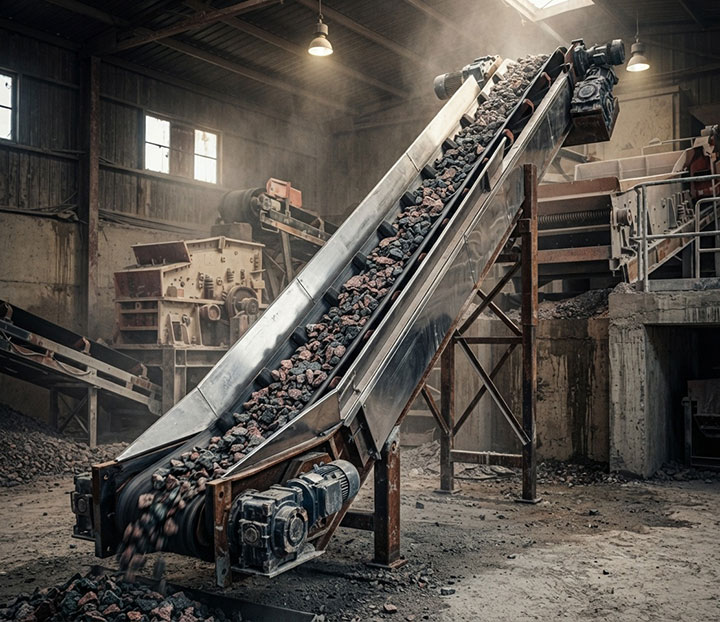
Mining & Construction: Moving aggregates, sand, and crushed minerals reliably through steep inclines in space-constrained plants.
An L-type belt conveyor can typically achieve an inclination angle from 30 degrees up to a full 90-degree vertical elevation, depending on the material characteristics and the use of specialized corrugated sidewalls and transverse cleats.
Yes. The gentle contact between the belt and the material, combined with secure pocket compartments formed by the sidewalls and cleats, ensures that fragile items, grains, and granules are transferred with a very low breakage rate.
By combining horizontal feeding and vertical elevation into a single, continuous 90-degree unit, it eliminates the need for separate horizontal conveyors and bucket elevators, drastically reducing the required floor footprint.
Yes. We offer full customization options including belt widths (400mm–1200mm), frame materials (carbon steel or stainless steel SUS304/316), and specialized food-grade, oil-resistant, or heat-resistant belt options to match your exact application requirements.
Every industrial facility has unique spatial constraints and processing requirements. At Dahan Machinery, we provide fully customized L-type belt conveyor solutions engineered precisely to fit your operational environment.Whether you need a specific belt width, special food-grade or high-temperature resistant materials, or an optimized 90-degree curve to navigate tight floor spaces, our engineering team works closely with you from design to manufacturing.
Ready to optimize your material handling process? Contact our engineering team today to get a customized layout design, detailed technical proposal, and direct factory pricing tailored to your plant requirements.
CONTACT
WhatsApp:+86 18339211009
Email:sale@xxdahan.com
Add:China, Henan Province, Xinxiang City.Yanjin county forest park gate to the west 1000 meters north road