E-mail: sale@xxdahan.com
Follow Us 


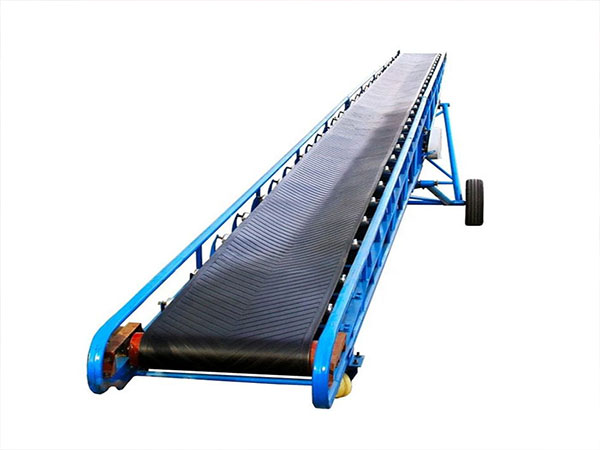
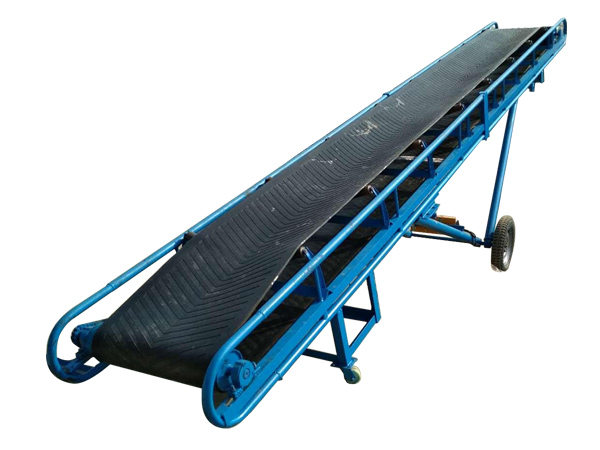
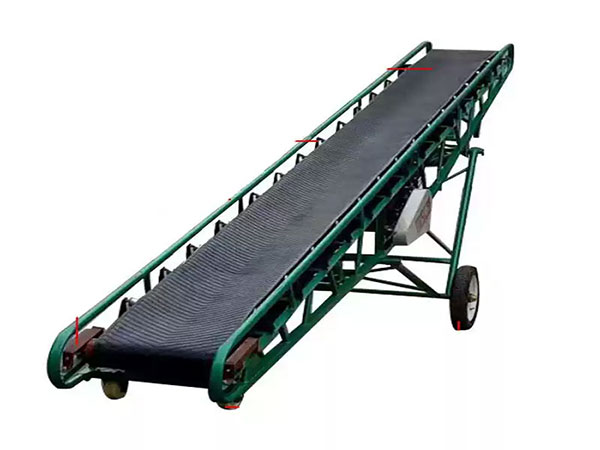
Mobile conveyor belt for coal are generally used for coal loading and transfer between different machines.
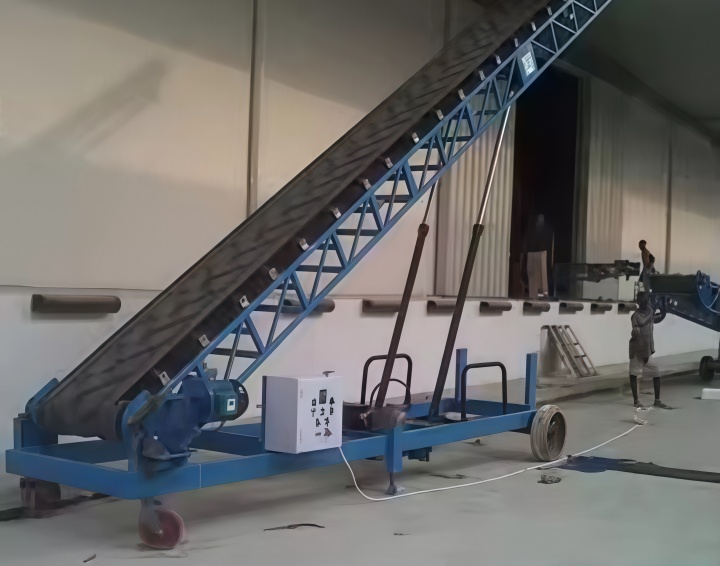
When doing a mobile conveyor belt for coal selection, you cannot only look at the belt width or conveying capacity. You also need to consider the size of coal lumps and site working conditions.
When doing a mobile conveyor belt for coal selection, the belt width is decided based on coal conveying capacity and coal lump size.
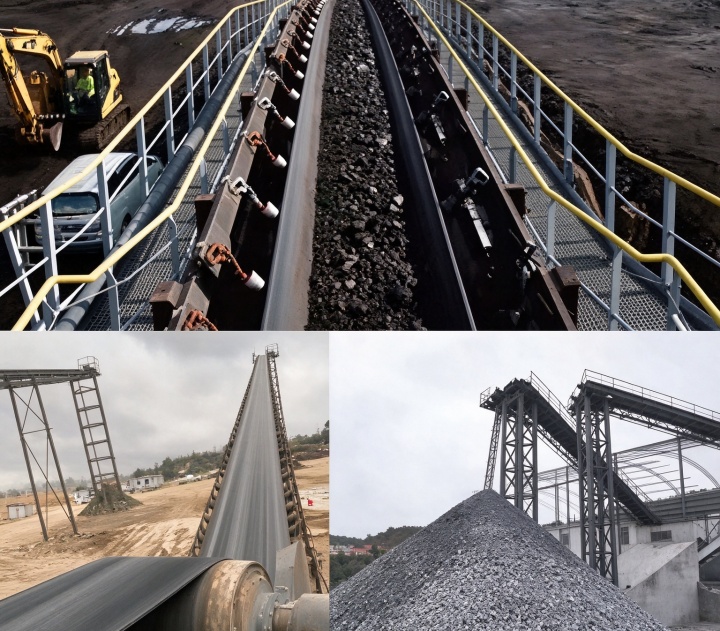
If the coal particles are small and the conveying volume is low, you can pick a narrower belt. If you transport large coal lumps and need a large conveying capacity, you need a wider belt.
The length of a mobile conveyor belt for coal selection mainly depends on the distance from the feeding point to the discharging point, and the required discharge height.
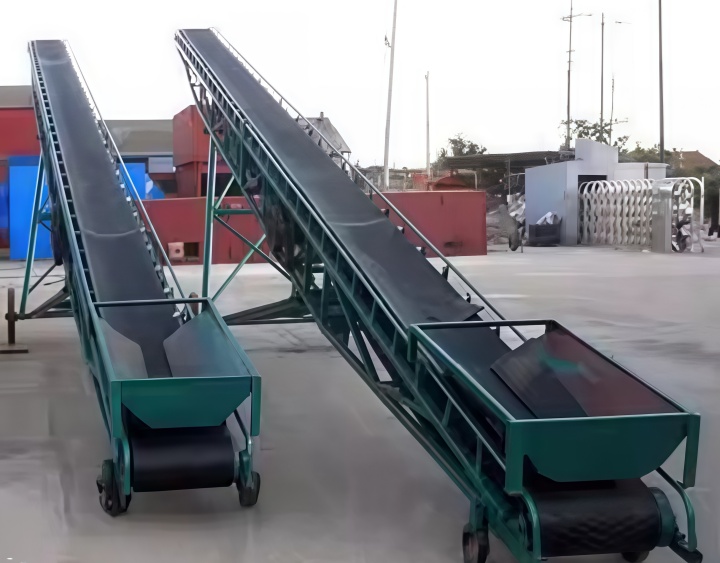
For coal loading, the tilt angle and length of the machine are set according to the height from the ground to the truck carriage. For stockpiling coal, you need to consider the height of the coal pile and the discharge position of the mobile conveyor belt for coal, so the machine will not be too short.
You cannot increase the tilt angle freely. If the angle is too big, coal may slide down. So when deciding the length, you also need to think about coal lump size.
Mobile conveyor belt for coal has two common moving types: wheeled and tracked. Mobile conveyor belt for coal selection depends on site ground conditions and moving needs.
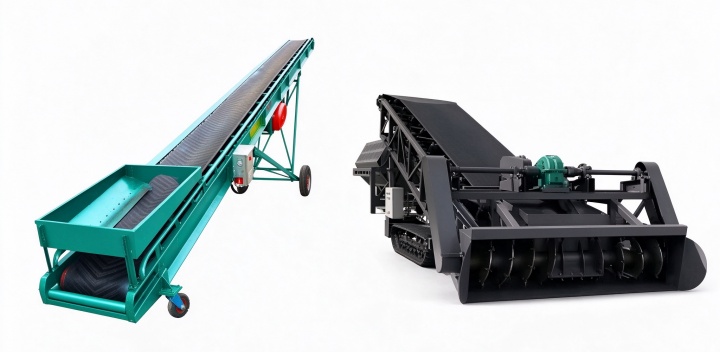
Wheeled mobile conveyor: It works well on relatively flat ground such as coal yards and factory areas. You can move it to different positions as needed, and the wheel design makes movement easy.
Tracked mobile conveyor: Choose the tracked type if the site ground is soft and uneven. Tracks touch the ground over a larger area, so the machine is not easy to sink into soft ground when moving.
Coal will wear the belt during transport. The belt at the feeding point, where coal lumps fall from the hopper, takes the strongest impact. So when doing mobile conveyor belt for coal selection, belt wear resistance is important.
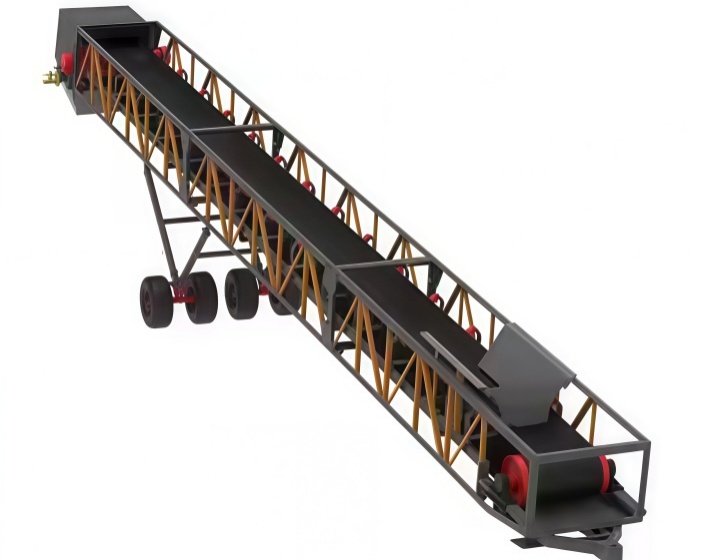
If you transport lump coal, the feeding area gets heavy impact from coal lumps, so use a belt with good wear resistance. If coal is transported on a steep tilt, you can use a patterned belt to add friction between coal and the belt.
If you carry wet coal, add a belt cleaner to stop wet coal from sticking to the belt.
Besides the mobile conveyor belt for coal itself, small mobile conveyor belt for coal selection details affect how well the machine works on site.
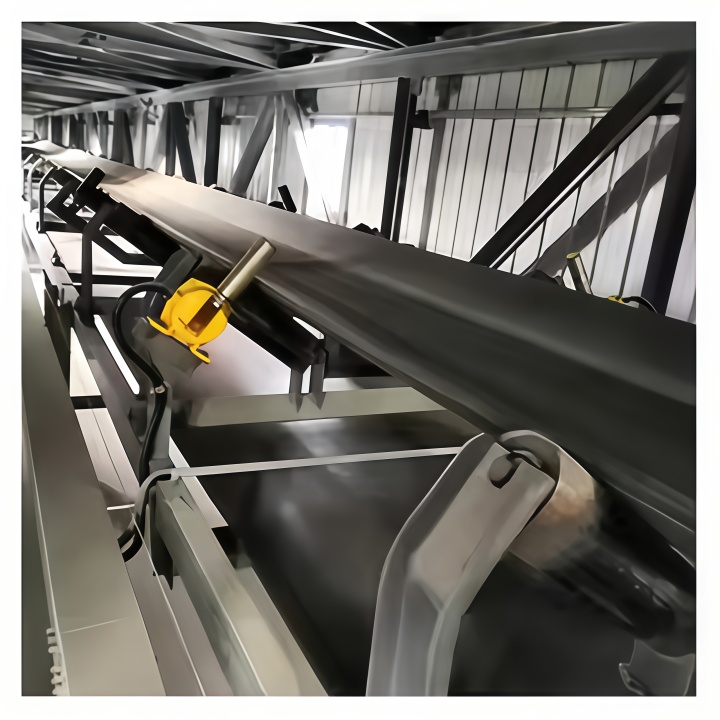
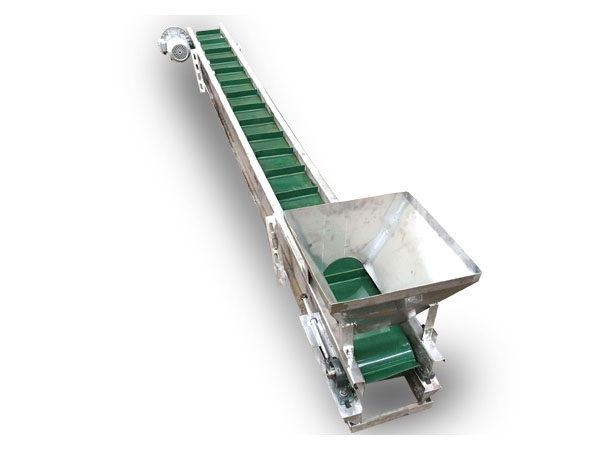
Feeding hopper: If a loader feeds coal, check the hopper width, capacity and coal falling position, to keep coal from falling off the belt.
Side guards: They stop coal from spilling out from both sides of the belt. They fit working conditions with large conveying volume or many coal lumps.
Dust cover: Add a dust cover when moving fine coal or coal powder, to keep coal dust from spreading.
A coal plant needs to move crushed coal from the workshop to an outdoor stockpile area. The old fixed conveyor cannot serve different stockpile positions. Based on site conditions and the mobile conveyor belt for coal selection tips, the factory finally bought one mobile conveyor belt.
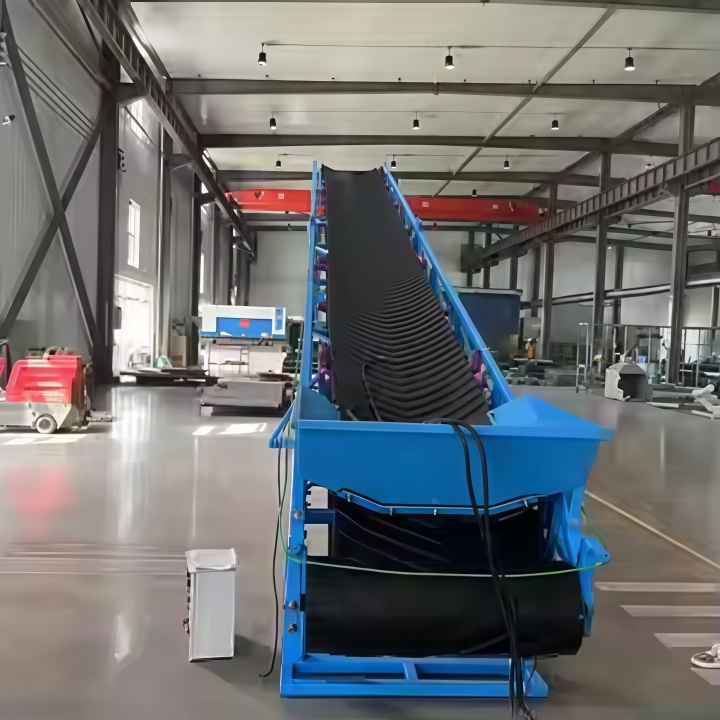
This mobile conveyor belt for coal uses a wheeled structure. It can be moved to different working spots inside the factory. The belt is made of wear-resistant rubber for crushed coal. Side guards are installed to reduce coal falling during transport. After it starts running, workers can move the conveyor to match coal pile positions, making coal work in different areas easier.
Mobile conveyor belts for coal fit coal sites where the transfer position needs frequent changes. Compared with fixed conveyors, they are easier to move and stack coal in different spots. You need to check many factors when doing mobile conveyor belt for coal selection.
CONTACT
WhatsApp:+86 18339211009
Email:sale@xxdahan.com
Add:China, Henan Province, Xinxiang City.Yanjin county forest park gate to the west 1000 meters north road