E-mail: sale@xxdahan.com
Follow Us 


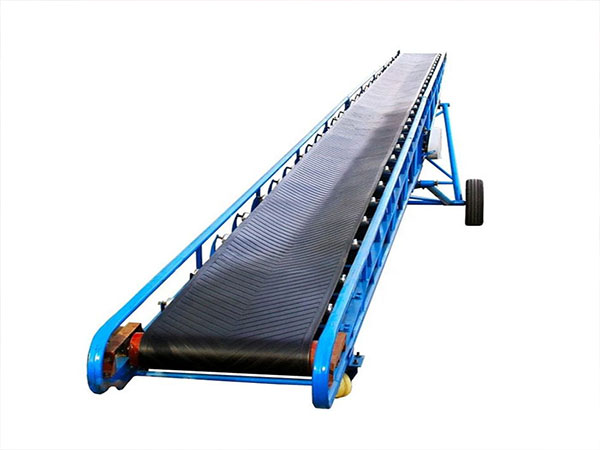
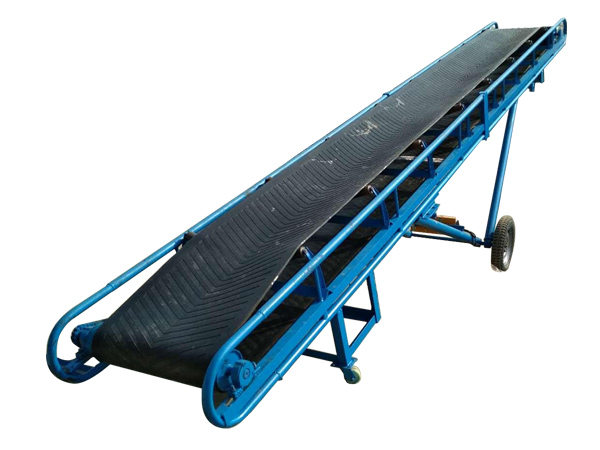
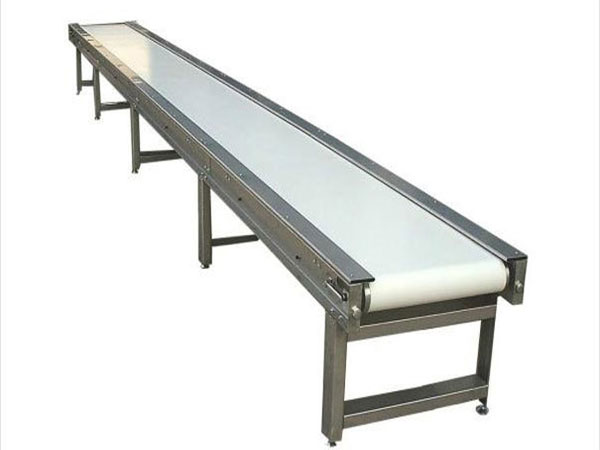
Sanitary belt conveyor is widely used for transporting bulk and soft materials. Unlike rigid conveying equipment such as screw conveyors, the belt is a flexible component prone to material adhesion and penetration.
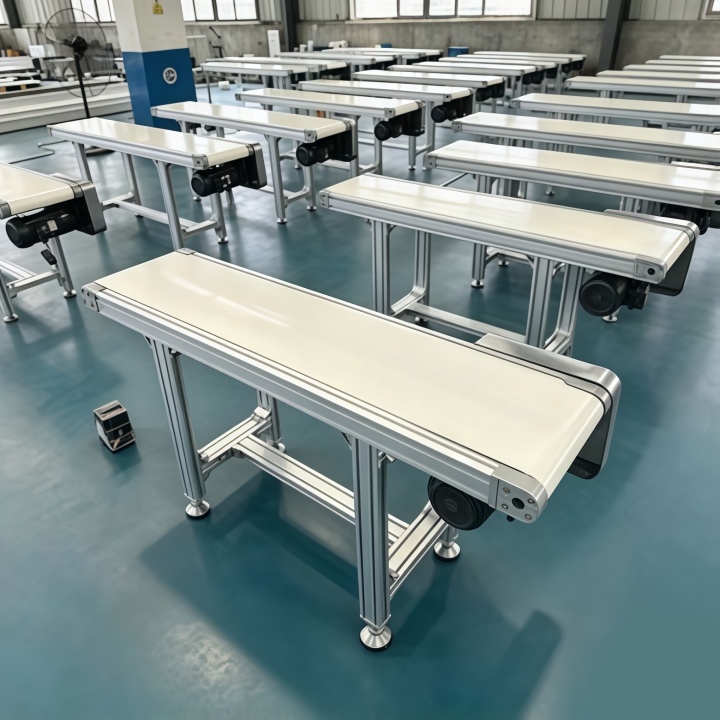
Therefore, the selection of sanitary belt conveyors requires dedicated considerations, and all configurations shall be designed to address the inherent sanitary weaknesses of the belt.
Sanitary belt conveyors are not suitable for all types of clean materials. They work well for intact bulk materials such as fruits, vegetables, pastries and packaged finished products. Fine powder and highly permeable liquid materials are not recommended, as powder can easily seep into the fabric layer inside the belt. Such residues are difficult to remove by routine cleaning and may cause microbial growth over time.
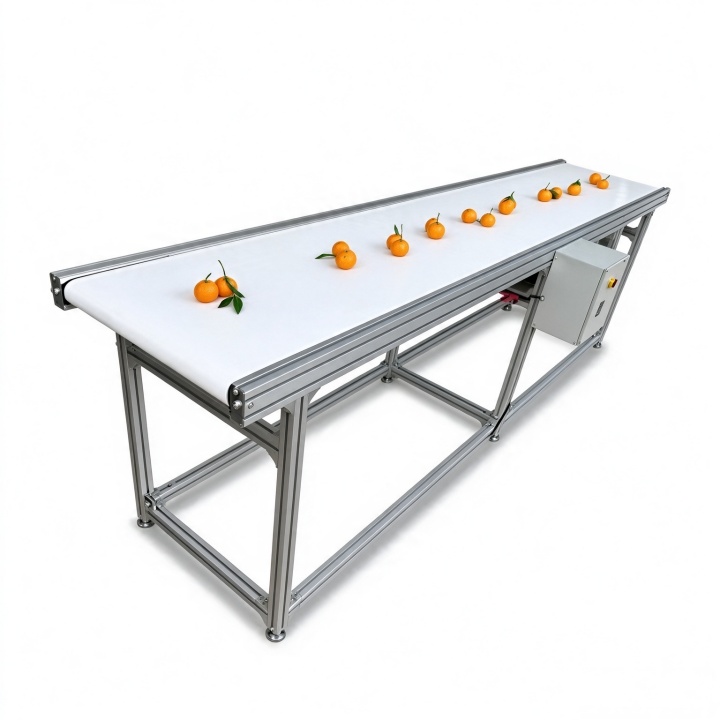
Two common risks should also be noted. First, sugar and grease from materials can stick to the belt surface and deteriorate after repeated accumulation. Second, residual materials carried on the return side of the belt may drip and contaminate products underneath. Confirm that these risks can be managed before proceeding.
The belt is the most critical component of a sanitary belt conveyor. Solid PU belts without fabric reinforcement are preferred. With no fabric core, they resist penetration by cleaning agents and grease and are compatible with foam cleaning.
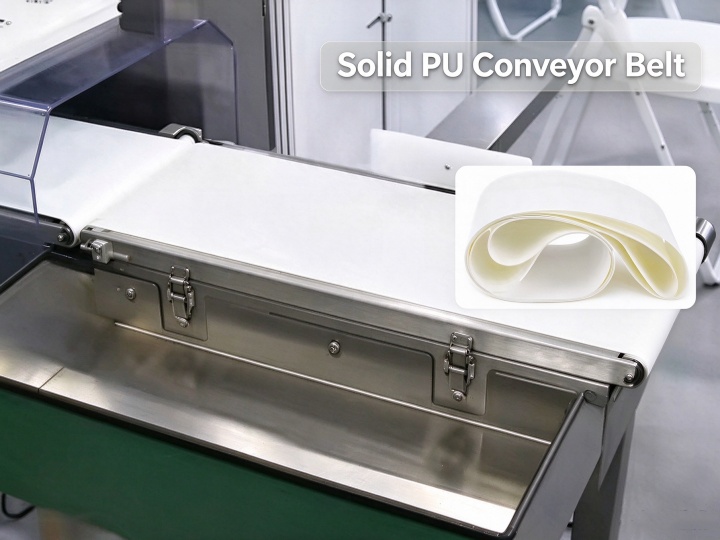
Food-grade PU belts with fabric reinforcement may seem compliant, but once the surface cracks or wears away, residues trapped inside the fabric core will go mouldy and be difficult to remediate. Splicing shall be made by seamless hot vulcanization. Metal fastener splices are prohibited in sanitary applications, as gaps on fasteners trap debris and rust.
Seamless silicone belts are available for high-temperature conveying, and low-adhesion matte belts for sticky materials. Standard PVC belts have poor resistance to cleaning chemicals and are not recommended for direct contact with food raw materials.
The frame, rollers and cleaning assemblies of a sanitary belt conveyor are designed mainly to clean the belt and control carryback on the return run. Solid polished rollers are adopted for idlers and pressure rollers.
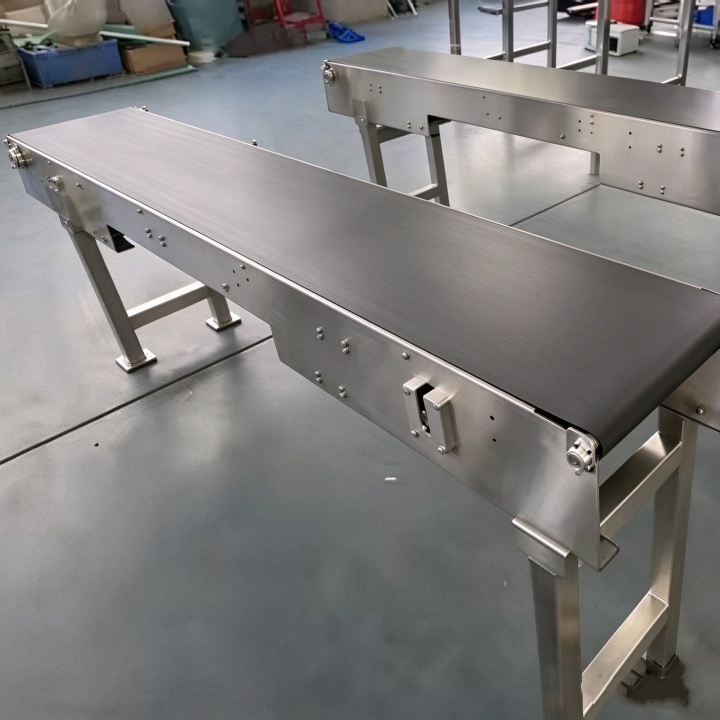
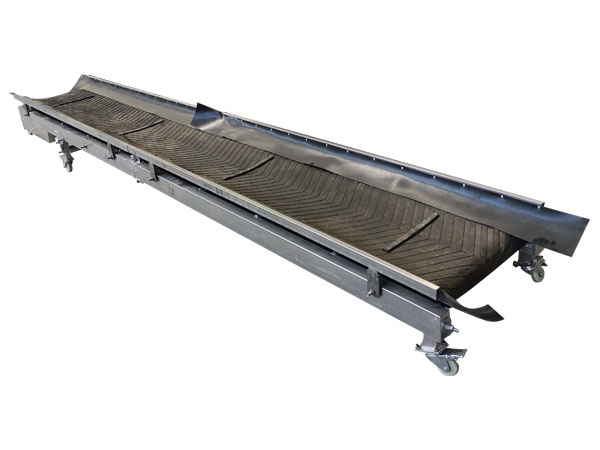
The frame is open-style instead of enclosed, so the area under the belt is accessible for cleaning.
Cleaners for sanitary belt conveyors are selected according to how strongly materials stick to the belt. Brush cleaners, scraper cleaners and water spray cleaners are all options.
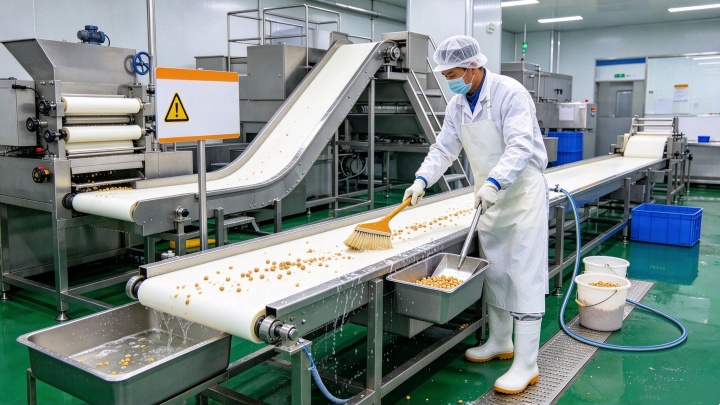
Cleaning assemblies must be quick-detachable for washing and free of dead spaces where residues can accumulate. Baffle guards are installed along the return section to prevent drips from contaminating products. For high-pressure washdown environments, motors and bearings shall have an IP69K rating to withstand direct water spraying.
Selecting a sanitary belt conveyor is essentially balancing conveying efficiency and sanitary risks. Proper configuration simplifies routine cleaning and reduces sanitary risks during production.
CONTACT
WhatsApp:+86 18339211009
Email:sale@xxdahan.com
Add:China, Henan Province, Xinxiang City.Yanjin county forest park gate to the west 1000 meters north road