E-mail: sale@xxdahan.com
Follow Us 


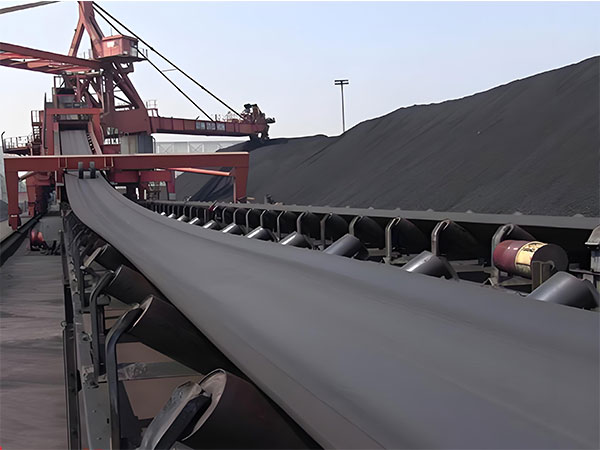
A steel cord conveyor belt is a belt embedded with steel cords inside. It features high tensile strength and minimal elongation, and is widely used for long-distance, high-volume conveying of bulk materials such as ore and sand. Improper selection may lead to premature rubber cover wear and steel cord corrosion in mild cases.
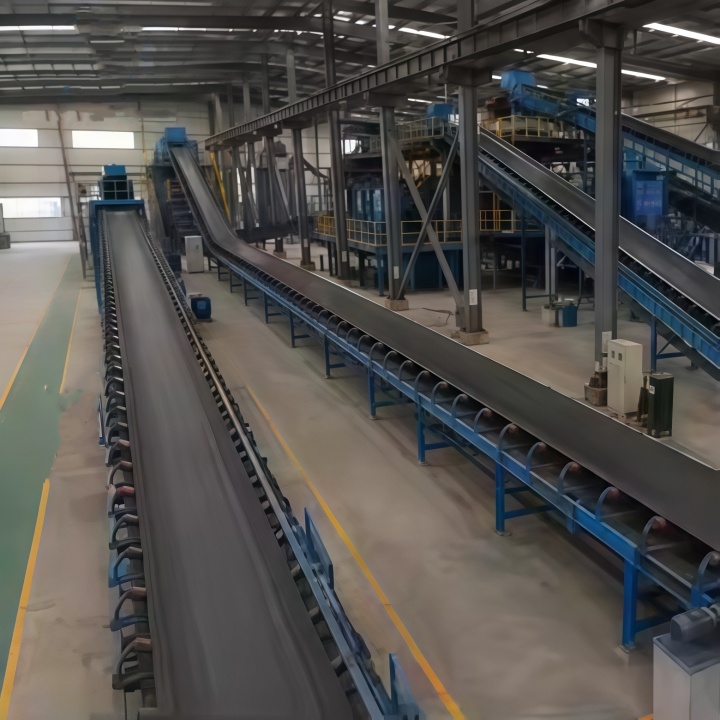
In severe cases, splice separation or longitudinal tearing of the belt will occur, resulting in frequent shutdowns, high maintenance costs and potential safety risks. This article sorts out the complete selection process in plain language to help you avoid pitfalls and pick a durable belt suitable for your working conditions.
Before parameter calculation, confirm whether you really need a steel cord conveyor belt. Steel cord conveyor belts are preferred only when the conveyor has a long centre distance, large lifting height, high throughput, and limited take-up stroke with strict control on belt elongation.
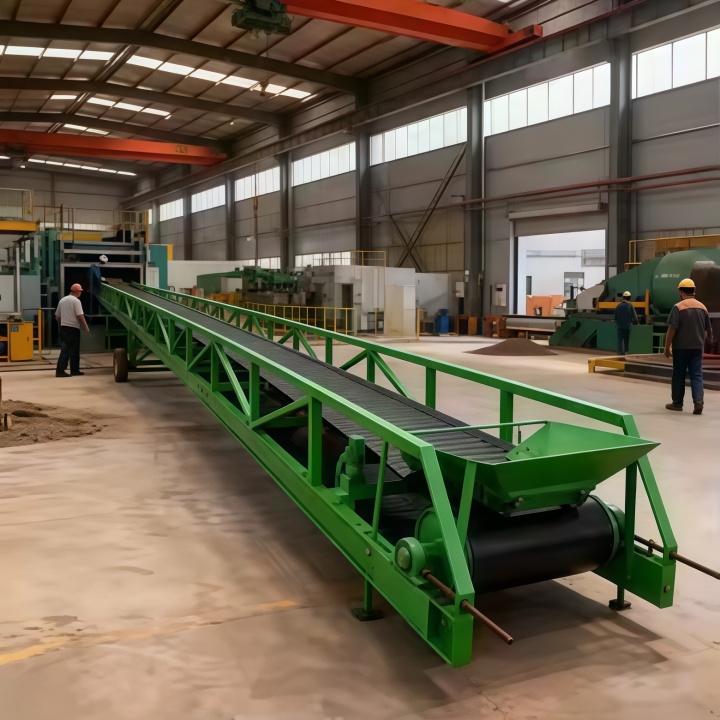
For short-distance, low-load applications with slight material impact, ordinary fabric conveyor belts are sufficient. After confirming the belt type, collect working condition data, which lays the foundation for selection.
Focus on material properties and steel cord belt conveyor layout. For materials, check bulk density, maximum lump size, abrasiveness, temperature, moisture content, and whether oil, acid or alkaline corrosive substances exist.
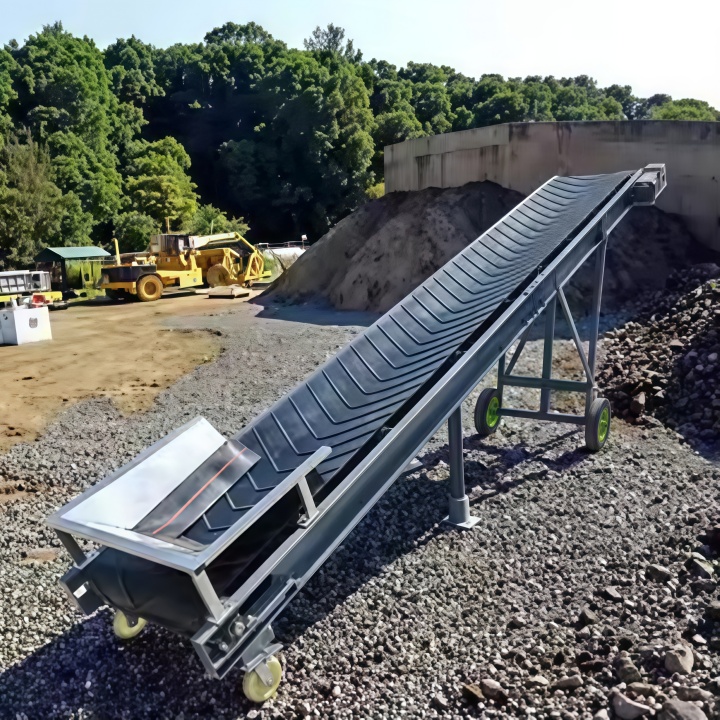
For the steel cord belt conveyor, record lifting height, conveying capacity and belt speed. Sharp large lumps with high drop height create strong impact, which requires thicker rubber cover or anti-tear layers later.
With all data ready, the core task is tension calculation and ST rating selection. ST stands for the tensile capacity of the belt. Apart from normal running tension, starting impact tension must be included, together with a proper safety factor.
Once the tensile grade is confirmed, decide the conveyor belt width and rubber cover. The steel cord conveyor belt width should keep materials centred and stable to prevent spillage. The top cover resists impact and abrasion, while the bottom cover protects internal steel cords.
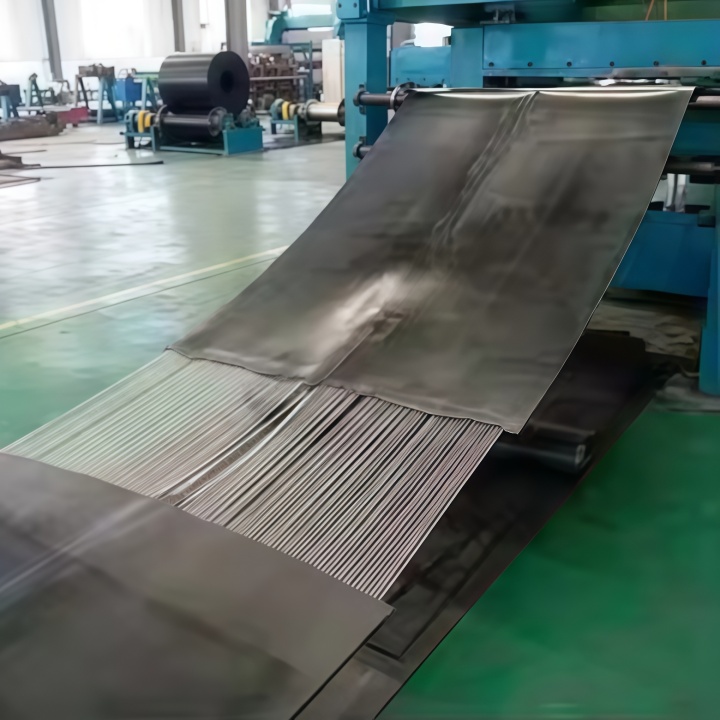
Different rubber compounds suit different working conditions: wear-resistant rubber for common ore, heat-resistant rubber for hot materials, oil-resistant rubber for oily materials, and flame-retardant anti-static rubber for underground coal mines. For heavy impact, thicken the top cover first instead of upgrading the ST grade blindly. Add transverse anti-tear layers if iron scraps or sharp stones often mix into materials.
Compared with fabric belts, steel cord conveyor belts demand a larger minimum pulley diameter. Too small pulleys will cause repeated bending stress and break the inner steel cords. This belt can only adopt hot vulcanized splices instead of mechanical fasteners. Space and downtime for vulcanization and maintenance should be reserved in advance.
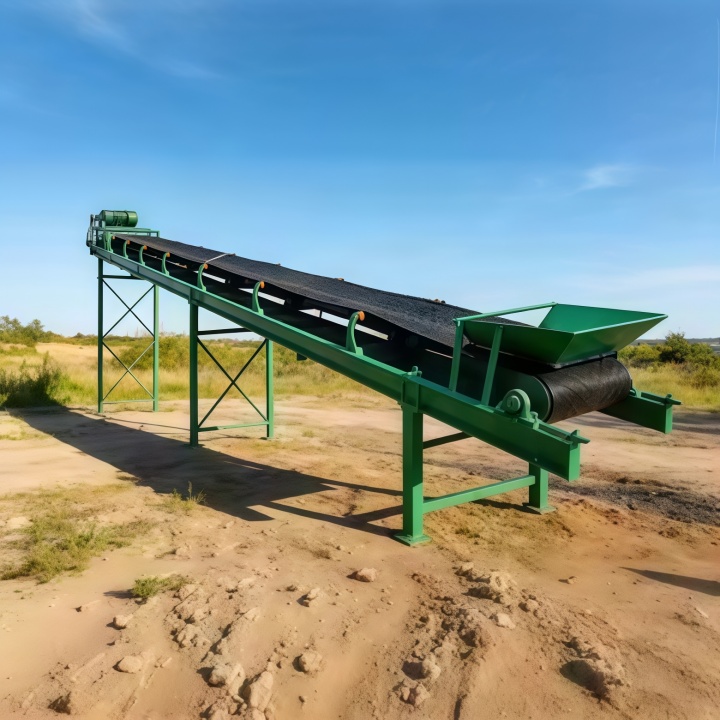
Besides, its elongation is extremely low, so a large take-up stroke is unnecessary. Even if the belt specification is correct, mismatched pulleys, drive units or take-up systems will still cause early failure.
Steel cord conveyor belt selection should not rely on a single parameter. It needs comprehensive evaluation combining materials, equipment and splicing construction. Treat the belt as a component of the whole conveying system rather than a simple consumable, and most failures can be avoided.
CONTACT
WhatsApp:+86 18339211009
Email:sale@xxdahan.com
Add:China, Henan Province, Xinxiang City.Yanjin county forest park gate to the west 1000 meters north road