E-mail: sale@xxdahan.com
Follow Us 


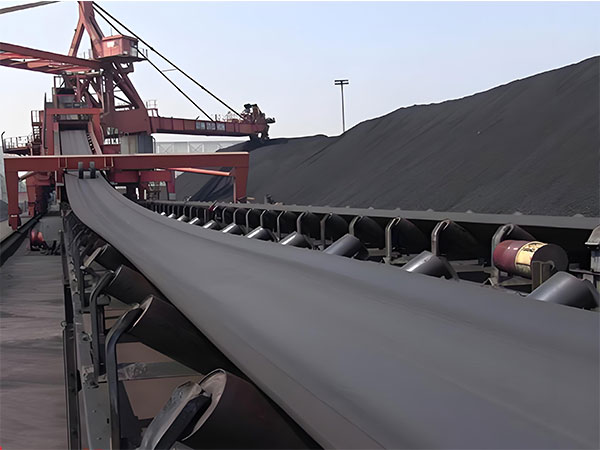
Steel cord conveyor belts are mainly used for long-distance, high-volume conveying applications in mines, ports, cement plants and other sites.
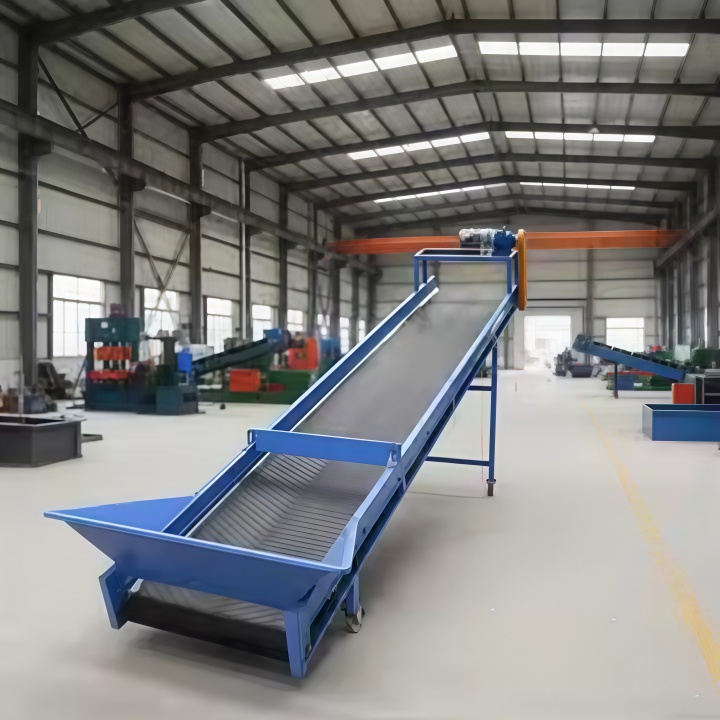
Steel Cord Conveyor Belt Price is not fixed. The final Steel Cord Conveyor Belt Price is affected by ST strength grade, belt width, cover rubber thickness and service conditions.
Steel Cord Conveyor Belt Price per meter is a common question for buyers. Currently, steel cord conveyor belts are generally priced starting from USD 5–130 per meter. Standard specifications come at a relatively lower cost, while high-strength and special-performance products push up the Steel Cord Conveyor Belt Price.
| Product Specification or Type | Reference Price (USD/m) |
| Ordinary Specification | $5–15 |
| Medium-Strength Specification | $15–30 |
| High-Strength Specification | $30–60 |
| Special Performance and High Specification | $60–130+ |
ST stands for the longitudinal tensile strength of steel cord conveyor belts. A larger number indicates the belt can withstand higher tension. Generally, a higher ST grade means more steel cords and stricter structural requirements, so the Steel Cord Conveyor Belt Price usually rises accordingly.
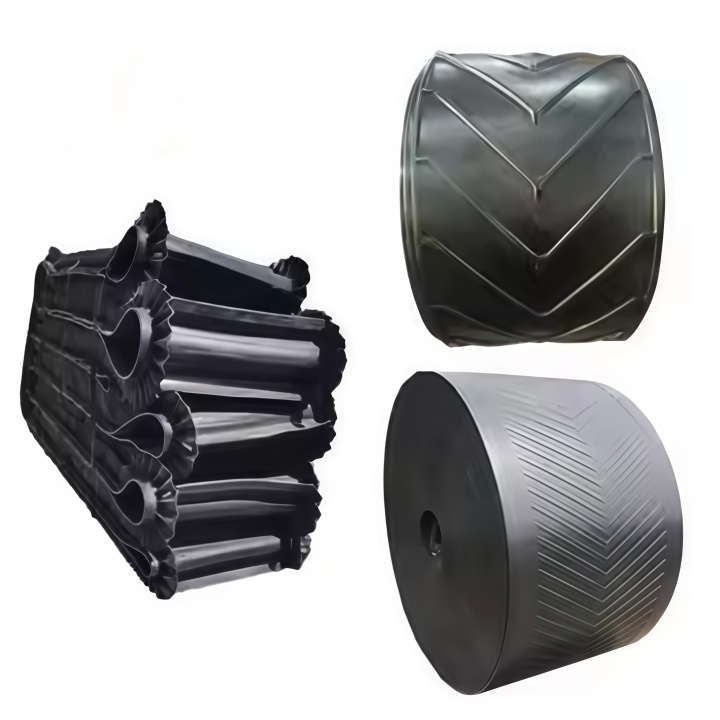
If you compare different grades, you will find obvious changes in Steel Cord Conveyor Belt Price.
| ST Strength Grade | Reference Price (USD/m) | Common Applications |
| ST630 | $5–15 | Medium and short distance material conveying |
| ST800 | $6–18 | General ore and coal conveying |
| ST1000 | $8–25 | Medium conveying capacity |
| ST1250 | $10–30 | Mining and cement plant conveying |
| ST1600 | $15–40 | Longer distance and large capacity conveying |
| ST2000 | $20–60 | Heavy-duty mining conveying |
| ST2500 and above | $30–100+ | Large-scale mining and high-strength conveying systems |
Even if two belts are both ST1000, their quotations may differ, and this variation directly reflects the difference in Steel Cord Conveyor Belt Price. Many factors influence the Steel Cord Conveyor Belt Price, mainly including the following:
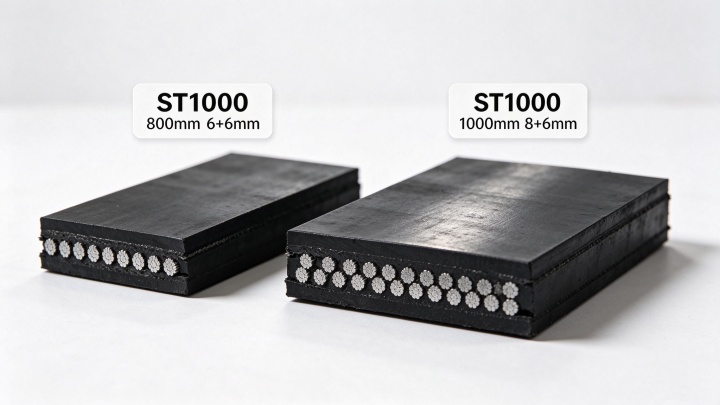
Belt width: A wider belt consumes more rubber and steel cords during production. For example, an 800 mm-wide belt and a 1200 mm-wide belt with the same ST grade require different amounts of raw materials, which naturally leads to price gaps.
Cover rubber thickness: Steel cord conveyor belts have top and bottom cover rubber layers. The top cover rubber is in direct contact with materials, and its thickness is selected based on material impact and abrasion conditions. For instance, increasing the top cover rubber thickness from 6 mm to 8 mm raises rubber consumption and production costs.
Steel cord structure: The diameter, spacing and arrangement quantity of steel cords all affect manufacturing costs. Products subject to high tension demands need matching steel cord structures. Therefore, you should check specific structural parameters instead of only referring to the ST grade.
Yes. Different materials impose different requirements on cover rubber. Manufacturers adopt suitable rubber compounds according to actual working conditions, and this customization will change the Steel Cord Conveyor Belt Price. When negotiating orders, working conditions are an essential factor to confirm for an accurate Steel Cord Conveyor Belt Price.
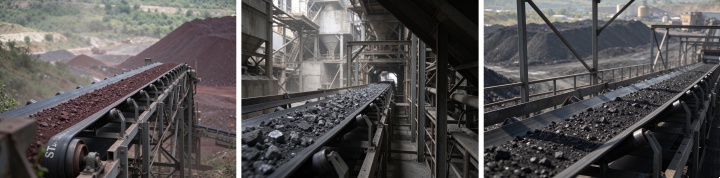
Iron ore and copper ore: Hard, sharp-edged materials cause heavy wear on belts. Wear-resistant cover rubber is normally required, and the thickness of the top cover rubber can be increased to 8 mm or 10 mm, depending on materials and blanking conditions.
Cement clinker: High-temperature materials accelerate the aging of ordinary rubber, so heat-resistant cover rubber is required. Special rubber formulas push up production costs.
Coal: Underground coal mines require flame-retardant and antistatic properties. Cover rubber that meets relevant standards comes with higher costs.
Oil-containing materials: Ordinary rubber may swell and soften when exposed to oil, so oil-resistant rubber formulas are necessary.
Not necessarily. When selecting a steel cord conveyor belt, you cannot judge quality only by Steel Cord Conveyor Belt Price. Compatibility with your conveying conditions matters more than simply focusing on the Steel Cord Conveyor Belt Price.
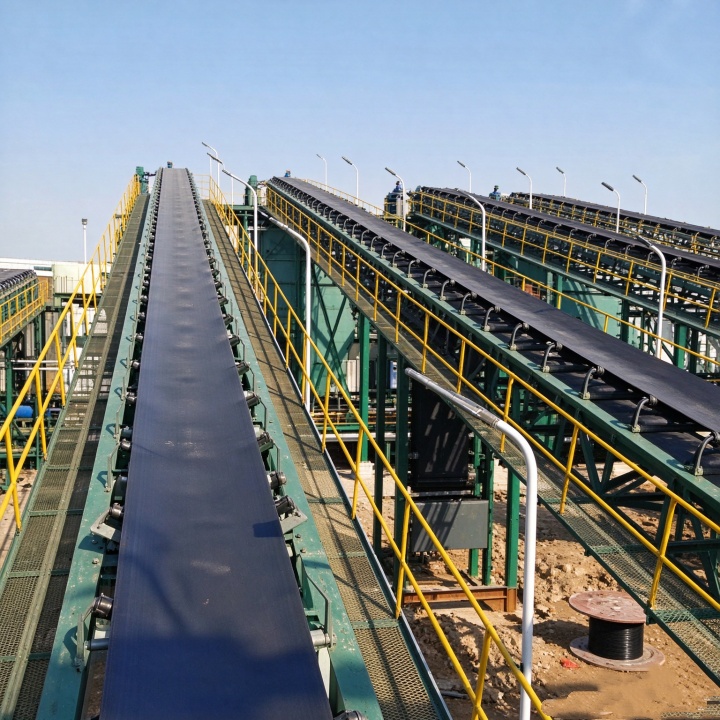
For conventional ore conveying without extreme temperature or abrasion requirements, standard products that meet tension requirements are sufficient, and special performance configurations are unnecessary.
For long-distance conveying of heavy materials, priority should be given to the ST strength grade and steel cord structure. For high-temperature clinker or sharp ore conveying, heat-resistant or wear-resistant cover rubber should be considered.
Q: Are steel cord conveyor belts quoted by the meter or by the roll?
A: Quotations are normally available per meter or for a full roll. When you ask suppliers for Steel Cord Conveyor Belt Price, confirm the belt width, thickness, ST grade and roll length to avoid inconsistent comparisons between different offers.
Q: Is ST2000 steel cord conveyor belt always more expensive than ST1000?
A: In most cases yes, because ST2000 demands higher steel cord strength and stricter structures. But the final Steel Cord Conveyor Belt Price also depends on belt width, cover rubber thickness and other configurations. Judging price by ST grade alone is not reliable.
Q: Does thicker cover rubber always raise the price of steel cord conveyor belts?
A: When other parameters stay the same, thicker cover rubber consumes more rubber and usually costs more. This rule will be reflected in the Steel Cord Conveyor Belt Price. Still, thicker cover rubber is not always better. Its thickness should be chosen properly according to material abrasion, impact and conveying environment.
Q: Why do quotations for steel cord conveyor belts vary widely among manufacturers?
A: The main reasons lie in differences in product specifications, steel cord structures, rubber formulas and quality standards. These variables are the root cause for the big gap in Steel Cord Conveyor Belt Price you get from different factories.
CONTACT
WhatsApp:+86 18339211009
Email:sale@xxdahan.com
Add:China, Henan Province, Xinxiang City.Yanjin county forest park gate to the west 1000 meters north road