E-mail: sale@xxdahan.com
Follow Us 


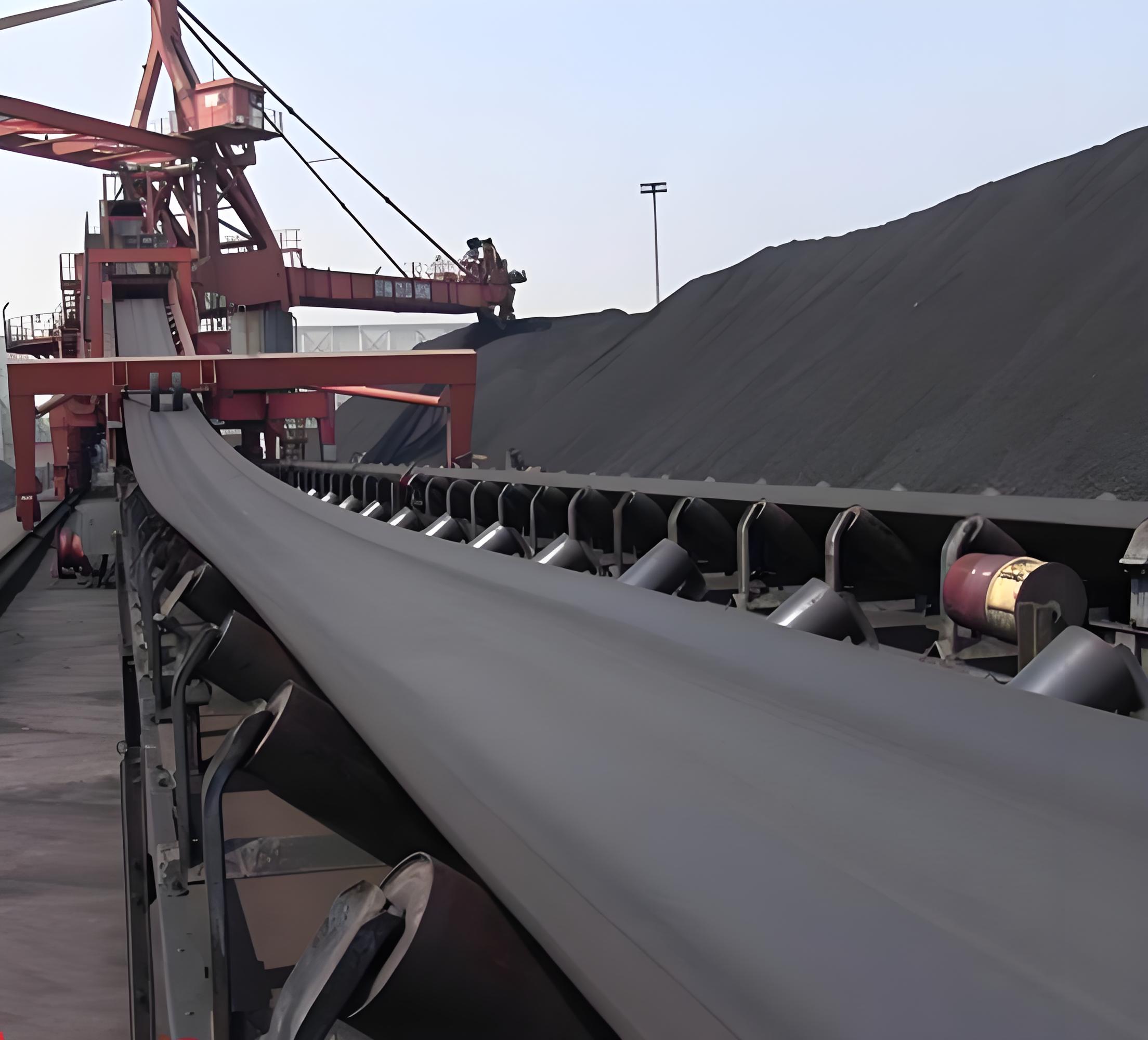
Moving soil, sand, gravel, or crushed rock is tough on equipment. Choose the wrong conveyor belt, and you’ll face spillage, slippage, lost tonnage, and constant downtime.
So which belt type is right—flat or cleated?
The answer depends on your incline, material moisture, and space. Here’s a straightforward comparison to help you decide.
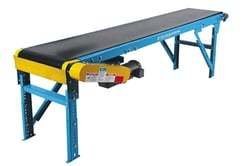
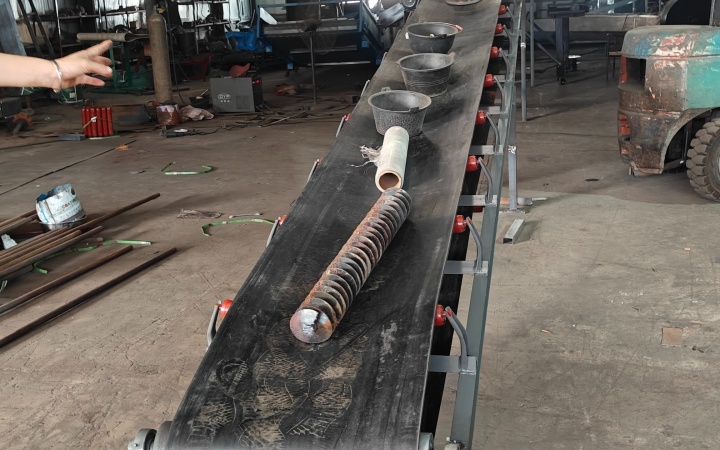
A flat belt has a smooth, continuous surface. It’s the most common and cost-effective choice for horizontal or gently inclined conveying.
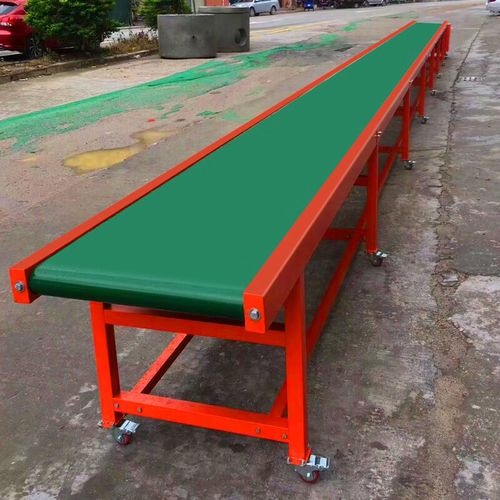
Pros: lower initial cost;simple to install and maintain;easy to clean (smooth surface);works well for dry, free-flowing materials
Cons: max incline ~15–20° for most aggregates (wet material reduces this further); material rolls back on steeper slopes; not suitable for wet or sticky fines
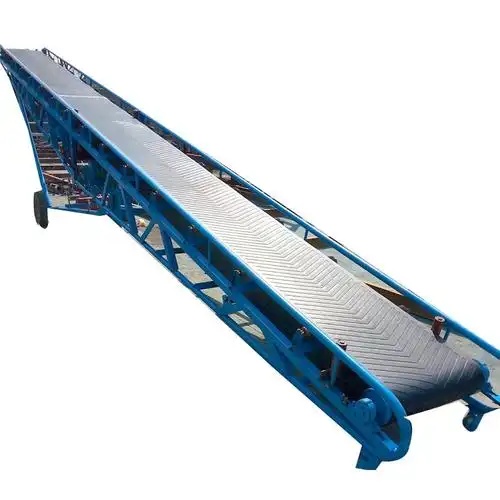
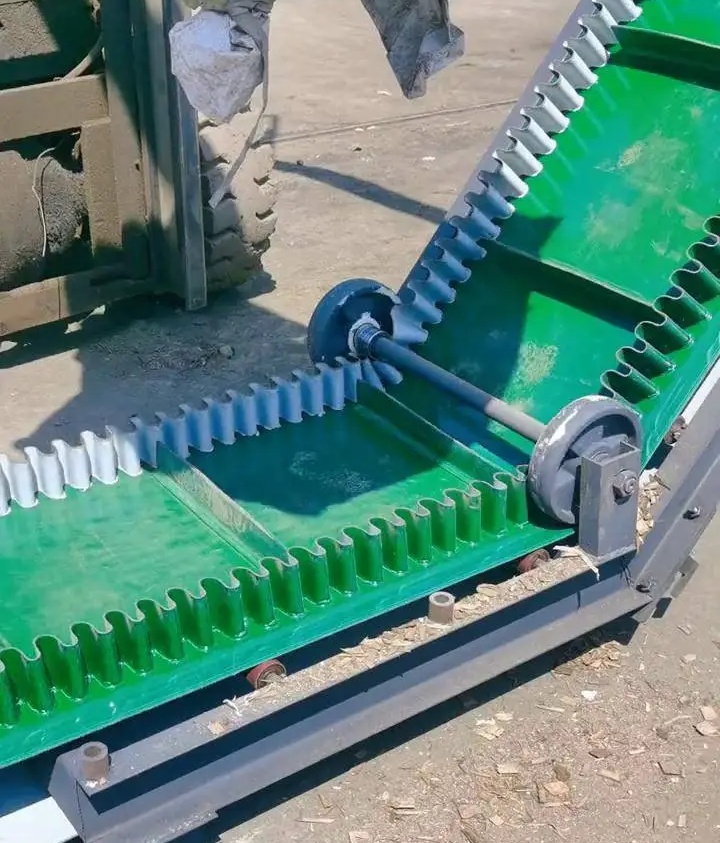
A cleated belt has raised profiles (cleats) molded onto the surface. These act as physical barriers to stop material from sliding backward.
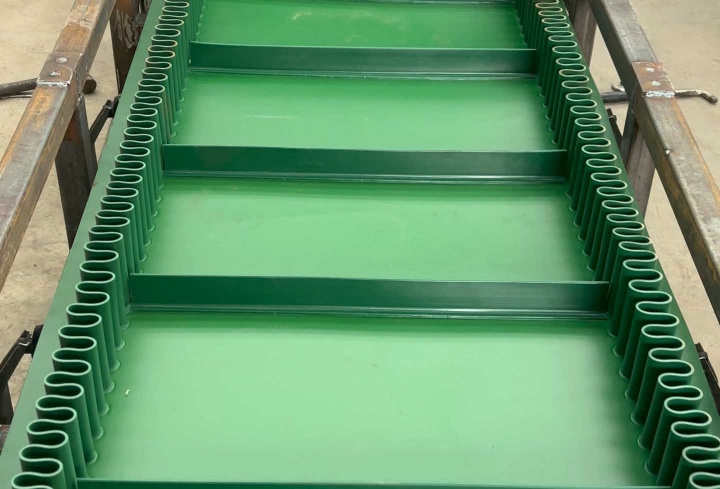
Pros: handles inclines of 30–45° (up to 90° with sidewalls); Works with wet, sticky, or irregular materia; Saves space – shorter conveyor for same lift height; Reduces spillage and material loss.
Cons: higher upfront cost; Harder to clean (material traps between cleats); cleats wear over time in abrasive applications; requires more precise belt tracking
| Factor | Flat Belt | Cleated Belt |
| Max Incline | 15–20° | 30–45° (90° with sidewalls) |
| Best for | Horizontal / gentle slope, dry material | Steep inclines, wet/sticky material |
| Cost | Lower | Higher |
| Maintenance | Easy | More complex |
| Space needed | Larger footprint | Smaller footprint |
| Spillage risk | Higher on inclines | Very low |
Go with a flat belt if:
Your conveyor is horizontal or under 15° incline; your material is dry sand, gravel, or crushed stone; you have plenty of space for a long conveyor; budget is a primary concern.
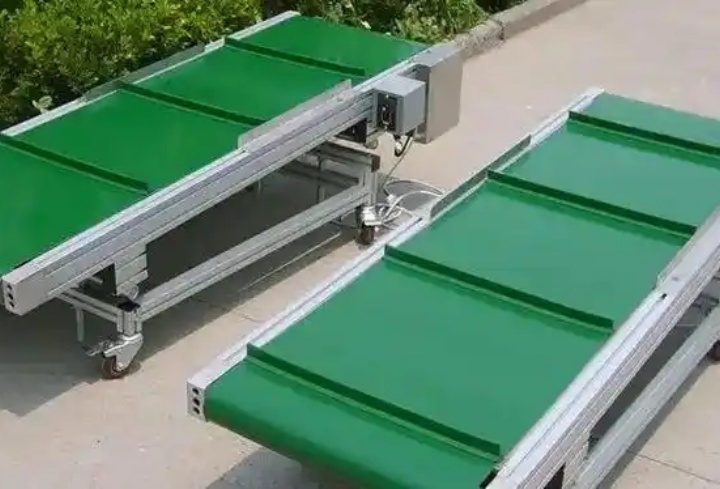
Go with a cleated belt if:
Your incline exceeds 20° (or even close to it); your material is wet, damp, or sticky (clay, wet sand, fines); you’re tight on space and need a steep lift; you’re tired of cleaning up spillage and losing materialk.
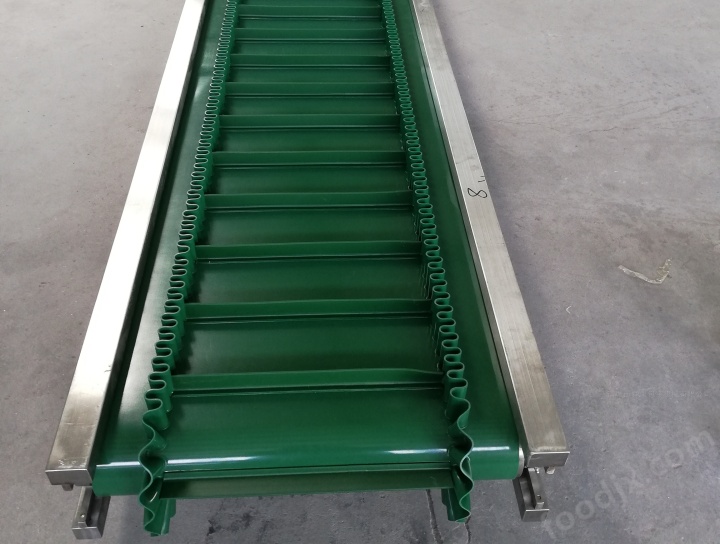
Abrasion Resistance: Sand and gravel are highly abrasive. Look for rubber covers with good wear resistance:
DIN Y – standard; DIN W – higher abrasion resistance; DIN X – best for cuts, gouges, and impact (ideal for crushed stone).
Impact: Material dropping from crushers or screens can damage belts. Choose adequate cover thickness and strong carcass construction.
Moisture: Wet material dramatically lowers the effective incline of a flat belt. If your operation handles damp feed, cleats are almost mandatory.
What’s your max incline?
< 15° → flat belt. > 20° → cleated belt.
Is your material wet or dry?
Dry → flat belt works. Wet → cleated belt.
How much space do you have?
Plenty of room → flat belt. Tight space → cleated belt saves footprint.
What’s your maintenance capacity?
Limited staff → flat belt is simpler. Skilled team can handle cleated cleaning.
A: Not reliably. Moisture reduces friction, so material slips. Use a cleated belt.
A: Standard cleats handle 30–45°. With sidewalls, up to vertical (90°).
A: For horizontal runs, flat belts win. For steep inclines, cleated belts often save money overall by eliminating extra equipment and spillage cleanup.
No single belt is “best.” The right choice depends on your application:
Flat belt = simple, low-cost, great for horizontal/dry use. Cleated belt = steep inclines, wet material, space-saving, less spillage. Choose wisely, and you’ll boost throughput, cut downtime, and reduce operating costs.
Still unsure? Our engineers can help you match the right belt to your material and conveyor setup.
CONTACT
WhatsApp:+86 18339211009
Email:sale@xxdahan.com
Add:China, Henan Province, Xinxiang City.Yanjin county forest park gate to the west 1000 meters north road