E-mail: sale@xxdahan.com
Follow Us 


Heat-resistant conveyor belt is suitable for transporting high-temperature materials such as metallurgical clinker and dried sand and gravel. If ordinary rubber belts are used for these materials, they will peel, bulge and lose rubber coating in a short time.
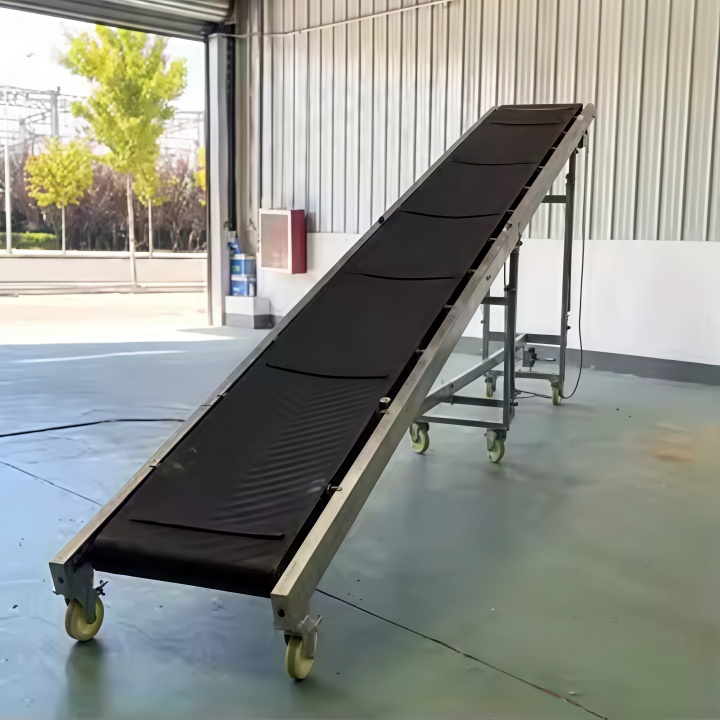
Formal manufacturers of heat-resistant conveyor belts mainly produce standard belts according to working conditions to suit different high-temperature material conveying scenarios.
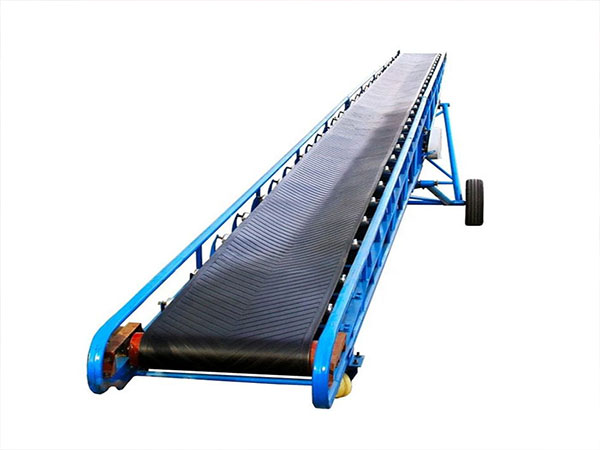
Standard heat-resistant conveyor belts are classified into four grades: T1, T2, T3 and T4, each for different continuous material temperatures and short-term peak temperatures. The belt width and cover rubber thickness can be adjusted as required. Endless belts and cleated belts are also available.
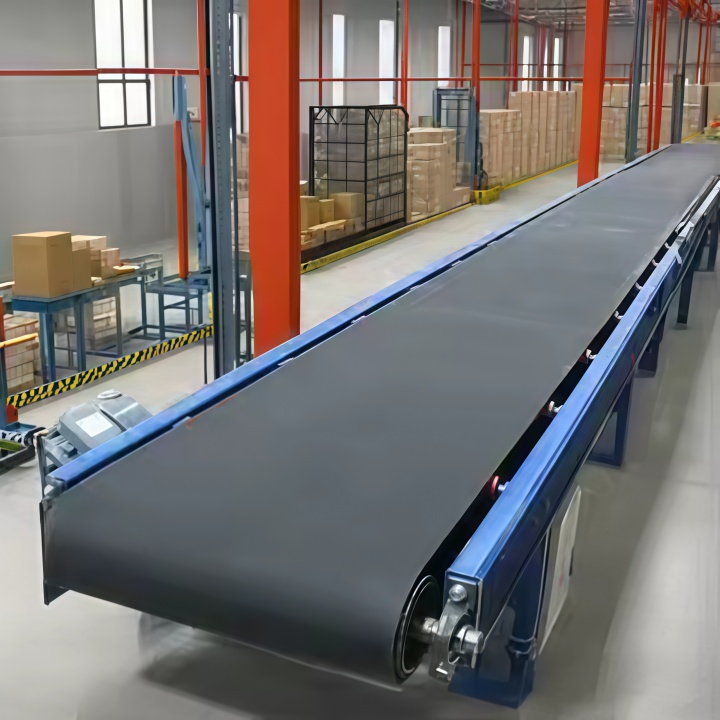
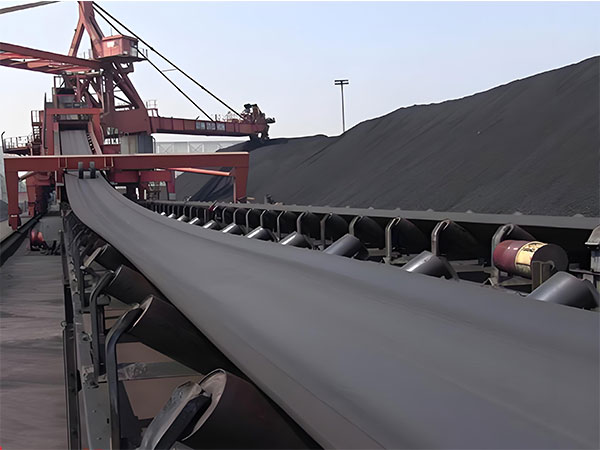
These belts are widely used to convey clinker, sinter, hot slag, dried powder and other high-temperature materials. EP and NN canvas are commonly adopted as the internal carcass material to guarantee tensile strength for conveyor lines of different lengths.
Original manufacturers have full control over rubber raw materials and adopt special heat-resistant rubber formulas. Recycled rubber is generally not used. Each batch of finished products undergoes tests including thermal aging and peel strength, with test records kept on file.
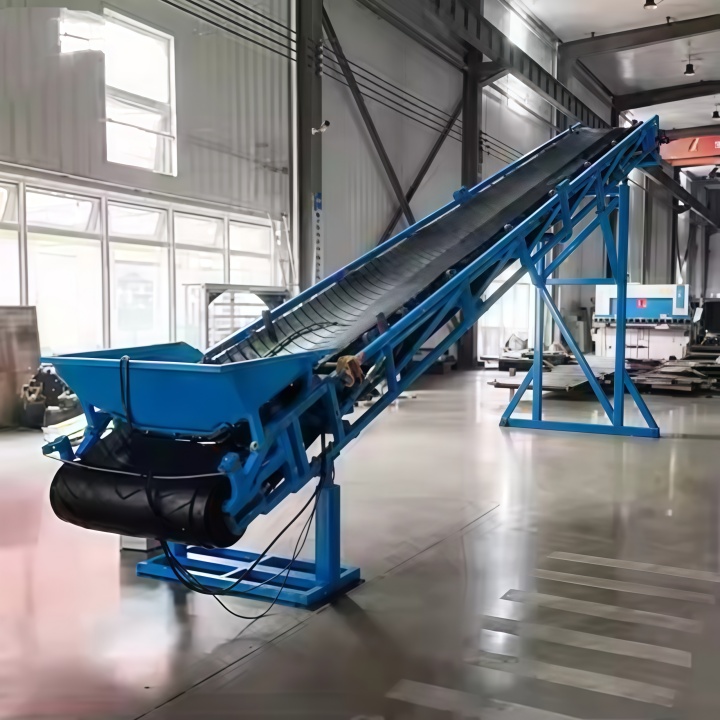
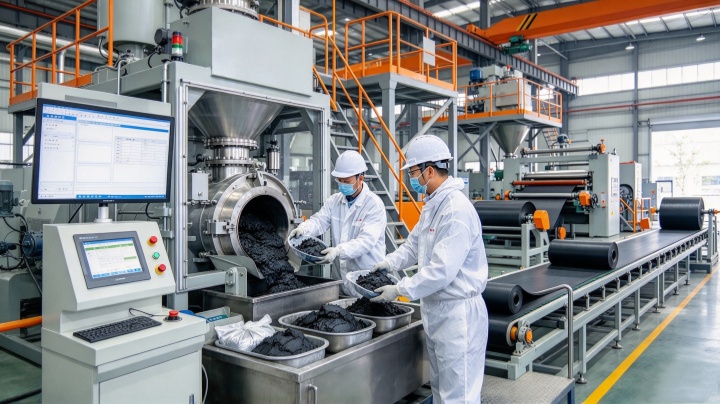
The whole production process, including rubber mixing, calendering, forming and vulcanization, is completed in-house, leading to a stable production schedule. Manufacturers have technical staff who can provide selection advice based on material temperature and material dropping conditions at the site. Technical support for vulcanized splicing is also available. Technicians can directly analyze problems when belt failure occurs.
Heat-resistant conveyor belts are commonly applied in industries such as cement, iron and steel sintering, power plants, sand and gravel drying, and foundries.
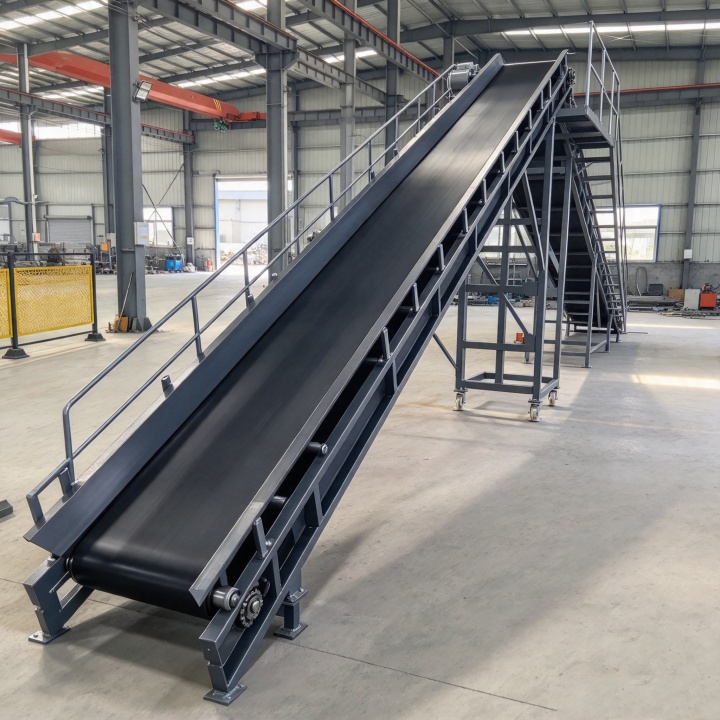
Different working conditions come with different temperature requirements, so different heat-resistance grades are selected accordingly. Sinter features high instantaneous temperature and usually requires T4 grade. Dried sand and gravel have stable temperatures, so T2 or T3 grade is sufficient. There is no need to blindly choose higher grades.
First, check whether the manufacturer can provide test reports matching the specified heat-resistance grade. Second, confirm if they can distinguish continuous material temperature from instantaneous peak temperature.
Premature belt damage is often caused by mismatched heat-resistance grade and working conditions. It is also necessary to check whether non-standard sizes are available and whether vulcanized splicing services are provided. These points help tell original manufacturers apart from resellers.
Apart from product quality itself, the service life of heat-resistant conveyor belts is also affected by material dropping method, idler arrangement and daily maintenance. Belts of the same specification can have quite different service lives on different sites.
CONTACT
WhatsApp:+86 18339211009
Email:sale@xxdahan.com
Add:China, Henan Province, Xinxiang City.Yanjin county forest park gate to the west 1000 meters north road