E-mail: sale@xxdahan.com
Follow Us 


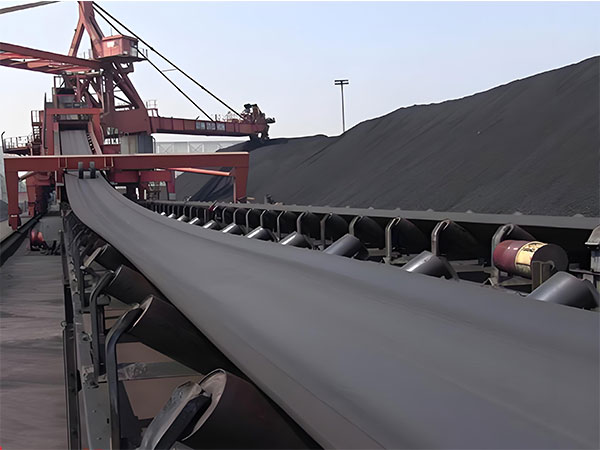
Aggregate rubber conveyor belt is suitable for transporting highly abrasive materials such as crushed stone and sand. Featuring impact resistance, cut resistance and high wear resistance, they differ greatly from ordinary conveyor belts.
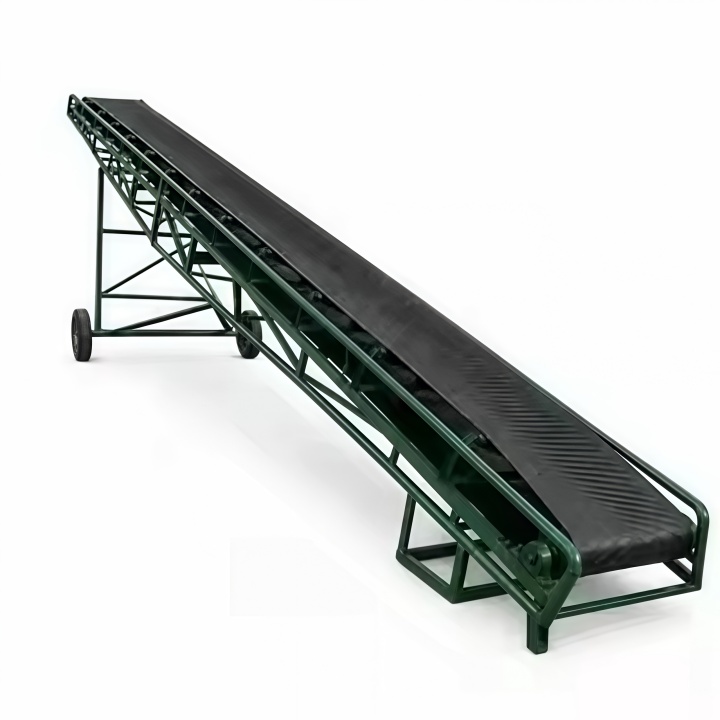
Selection should be based on the inherent characteristics of aggregate belts and the applicable scenarios of different belt types.
The advantage of aggregate rubber conveyor belt lies in their rigid rubber compound that resists cutting, ideal for sharp-edged crushed stone.
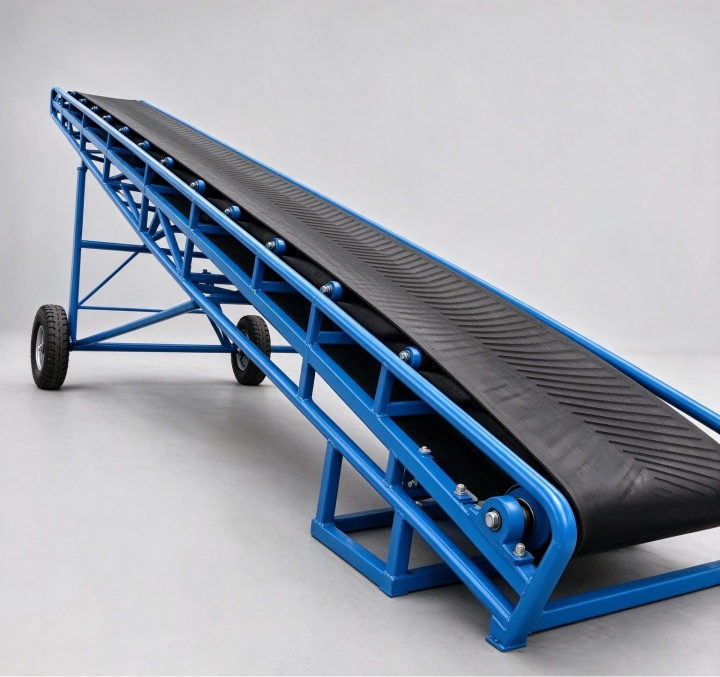
However, different belt types suit different scenarios, so you need to sort out site conditions first. Check whether the material is fine manufactured sand or large crushed rock, the maximum lump size and moisture condition. The belt width should be at least three times the maximum stone size to prevent edge damage caused by material squeezing.
Then confirm conveying parameters, hourly throughput, conveyor length, inclination angle and drop height.
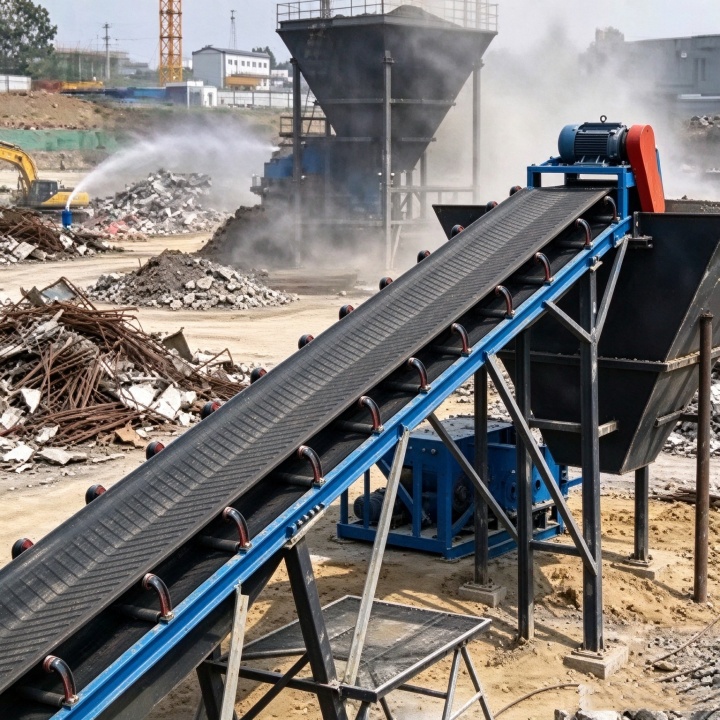
High drop height puts the belt under severe impact, which is the leading cause of aggregate rubber conveyor belt failure. Do not set an excessively high belt speed. Aggregate belts have thick rubber covers, and faster speed accelerates wear significantly. Also consider the working environment, UV-resistant belts for outdoor use, oil-resistant compounds for oily conditions, and flame-retardant belts for underground applications.
The carcass forms the core strength of a conveyor belt. Different carcass materials define the belt’s stretch resistance, shock tolerance and maximum conveying distance, so you can match it to your load and route first.
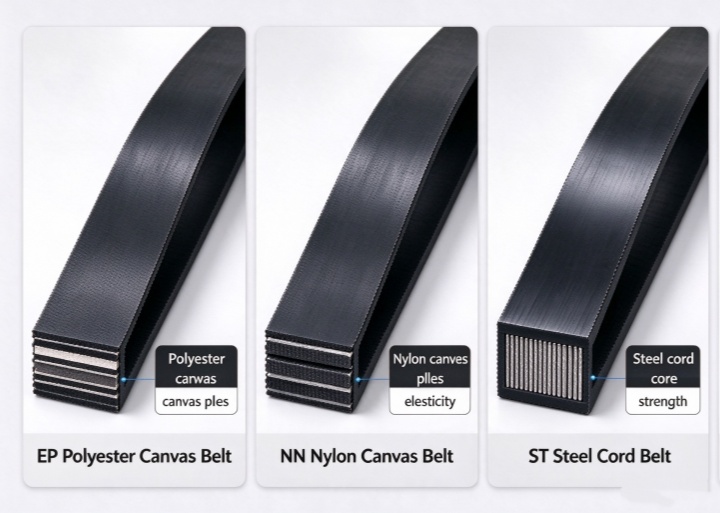
EP polyester fabric aggregate belt is the most widely used type in sand and gravel plants. It has low elongation and good troughability, suitable for medium and short-distance regular conveying such as screening after crushing and finished aggregate transfer. It delivers stable performance with good cost-effectiveness.
NN nylon fabric aggregate belt boasts excellent elasticity and shock absorption. It is applied at high-drop feeding points and crusher discharge openings to cushion stone impact and reduce damage.
ST steel cord aggregate belt has high tensile strength for long-distance, high-capacity mainline conveying, such as feeding from the quarry to the crushing workshop. But it is vulnerable to longitudinal tearing, so a tear-resistant breaker layer is mandatory when handling large lumps.
When standard flat belts cannot cope with steep slopes or highly abrasive rock, these customized belt designs solve specific pain points on site.
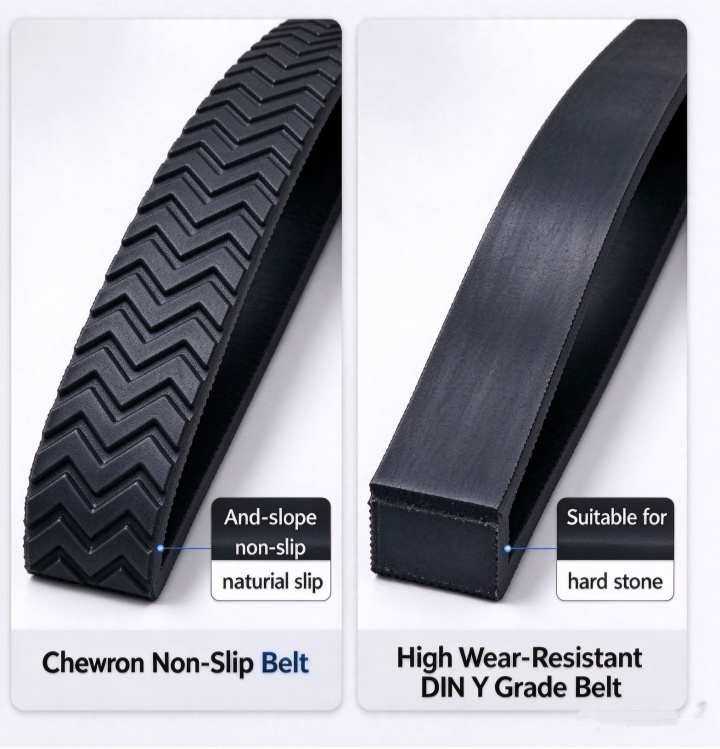
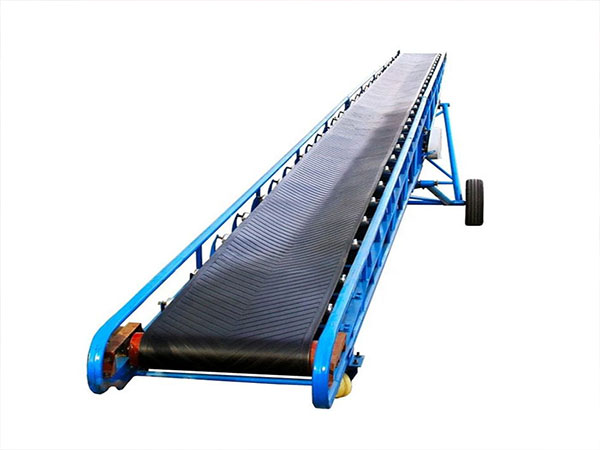
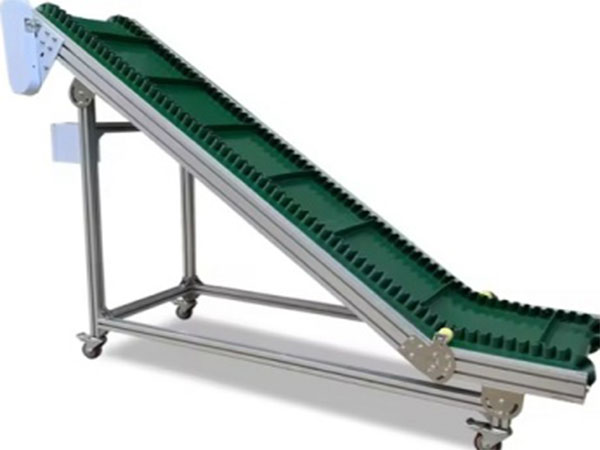
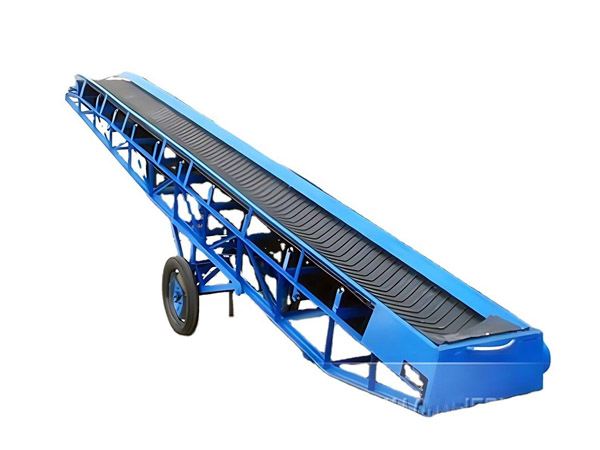
Chevron cleated aggregate belt has V-shaped chevron patterns on the surface. It is used for inclines steeper than 16° to prevent crushed stone from slipping back. DIN Y high-wear aggregate belt works for hard, sharp rock like granite and basalt. DIN X grade is suitable for less abrasive aggregates such as limestone and pebbles.
Poor belt performance is often not caused by defective quality but wrong selection, which wastes the belt’s wear and impact resistance.
Two aggregate rubber conveyor belts both marked EP400 can have different rubber compounds: general rubber or special high-wear rubber for aggregates, resulting in a big gap in service life. Do not blindly pursue thicker cover rubber. If the pulley diameter is too small, the thick, rigid belt will bend repeatedly and easily delaminate. Installing steel cord belts at high-drop discharge points without impact protection will lead to tearing even for heavy-duty belts. Ordinary flat belts cannot grip materials on steep inclines, causing stone rollback.
Picking the right aggregate rubber conveyor belt is only the first step. Without proper supporting accessories, even premium aggregate rubber conveyor belts will not last long.
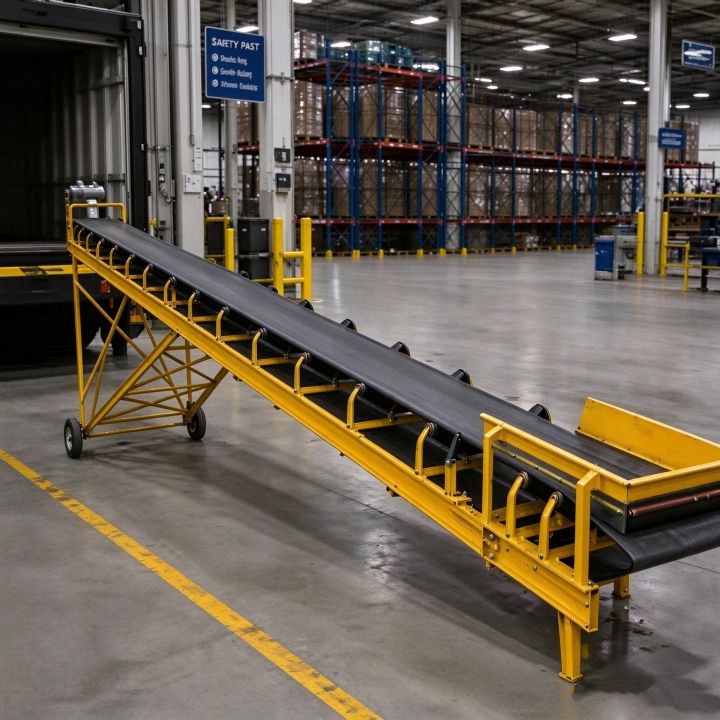
Install impact beds at feeding zones to absorb stone impact and reduce gouging. Fit qualified scrapers to remove fines stuck to the belt and prevent rubber surface wear from trapped materials. Seal the skirt board properly to avoid belt edge damage from off-track materials.
Track idlers also require regular inspection. Continuous belt deviation wears down the belt edges quickly. Properly matched accessories maximize the wear and impact resistance of aggregate rubber conveyor belts.
In summary, the aggregate rubber conveyor belt excel at cut and impact resistance. Instead of simply choosing the most expensive option, select the correct belt type for different positions of the production line to make full use of its wear-resistant properties. Combined with impact beds and scrapers, the belt can help cut downtime and keep the sand and gravel production line running steadily.
CONTACT
WhatsApp:+86 18339211009
Email:sale@xxdahan.com
Add:China, Henan Province, Xinxiang City.Yanjin county forest park gate to the west 1000 meters north road