E-mail: sale@xxdahan.com
Follow Us 


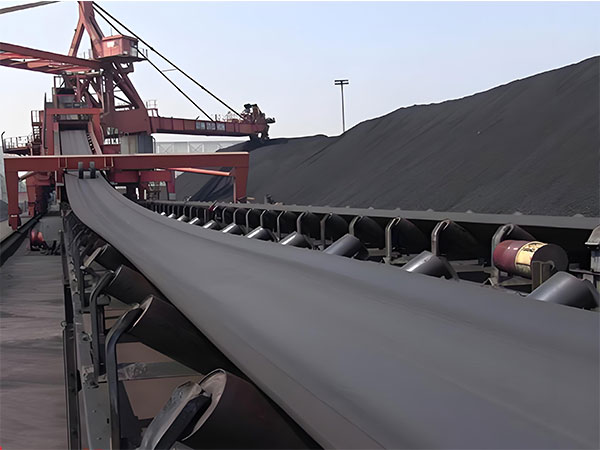
A coal mining rubber conveyor belt may look like an ordinary rubber strip, yet it is a core component of the coal conveying system.
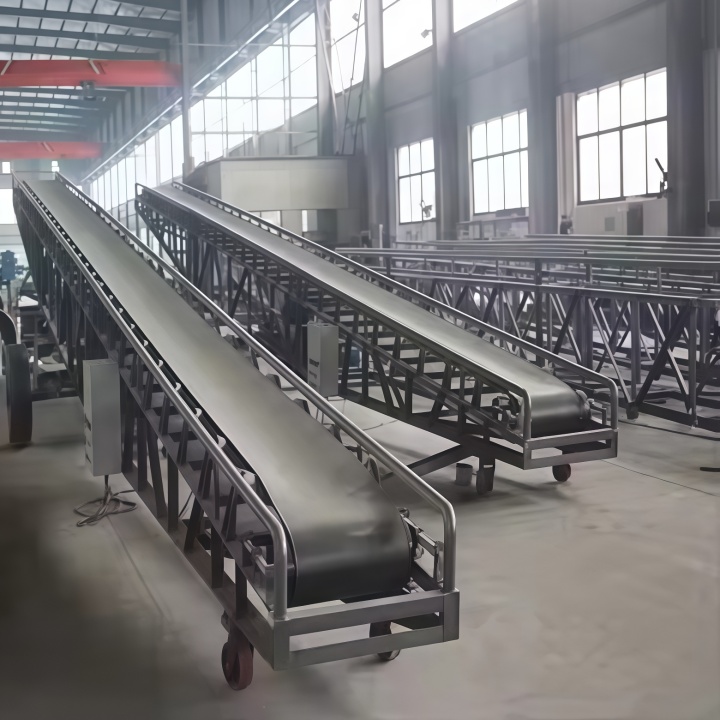
Underground mines contain gas, coal dust and gangue of all sizes, presenting far harsher working conditions than most other industries. Choosing the right belt helps guarantee safety and cut down downtime and maintenance work.
Unlike conveyor belts used in sand and gravel plants or grain transportation, rubber conveyor belts for underground mining must meet mandatory requirements of flame retardancy and antistatic performance, and hold valid coal safety certification.
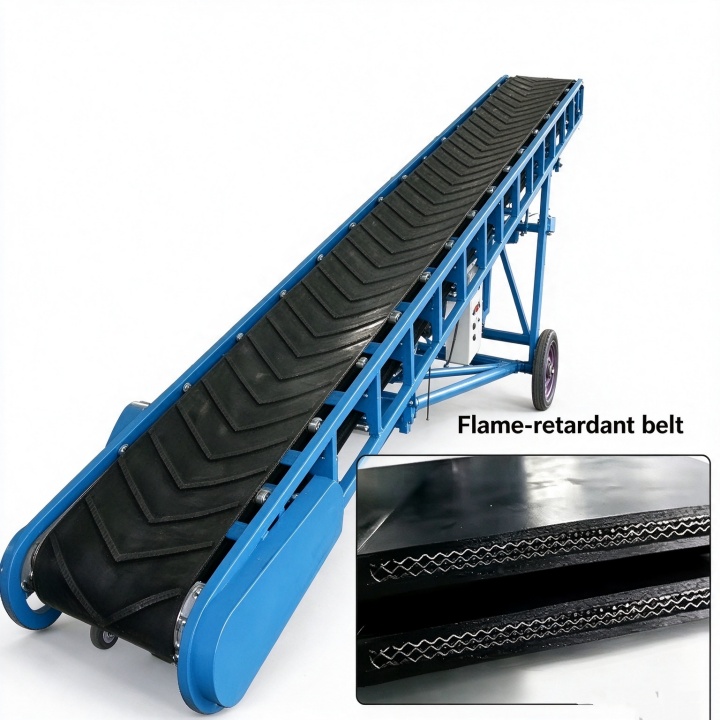
Coal dust and gas underground carry explosion risks. If the belt generates static electricity through friction or keeps burning when exposed to fire, severe hazards will arise. Conditions are relatively mild in surface coal washing plants and open trestles, but flame-retardant coal mining rubber conveyor belt is still recommended for areas with heavy coal dust buildup. Do not buy ordinary rubber belts just to save money.
The service life of a coal mining rubber conveyor belt varies greatly depending on conveyed materials. Belts carrying pure coal wear slowly.
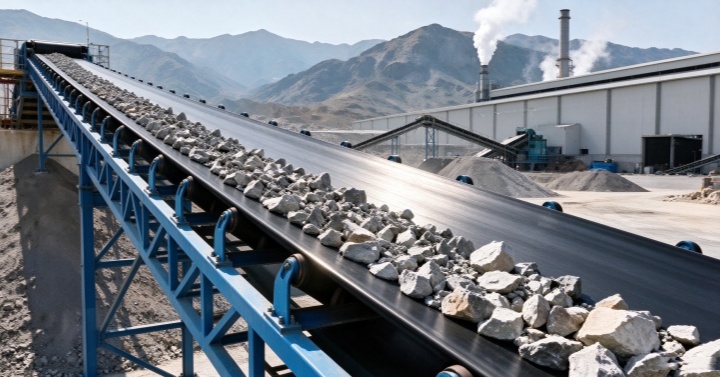
If the coal is mixed with large, sharp-edged gangue and the material drop height is large, the belt can easily develop dents and cuts, or even suffer longitudinal tearing. For working conditions with abundant gangue, prioritize coal mining rubber conveyor belt with thickened top cover rubber and high-wear-esistant rubber compound. For main transport routes with large lumps of gangue, belts with a tear-resistant layer are an ideal option.
Different conveying routes call for different types of conveyor belt carcass.
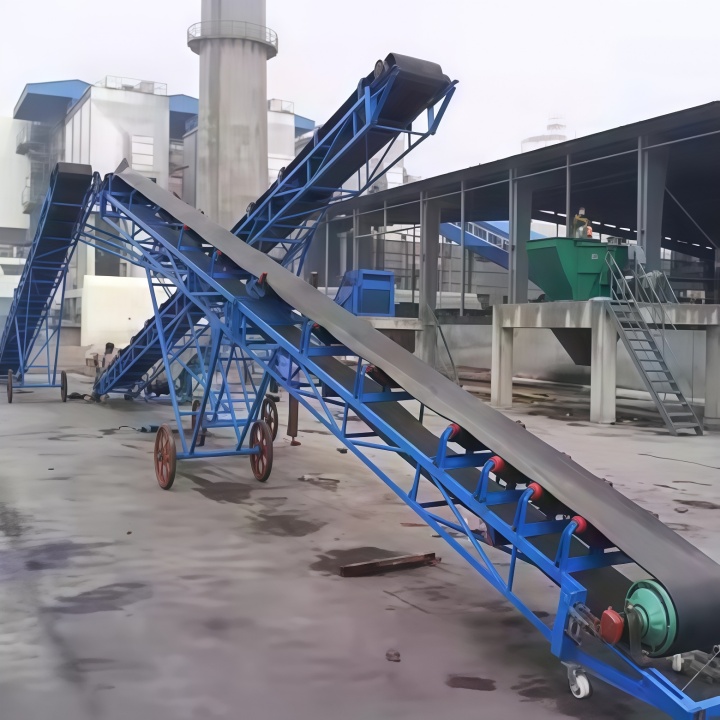
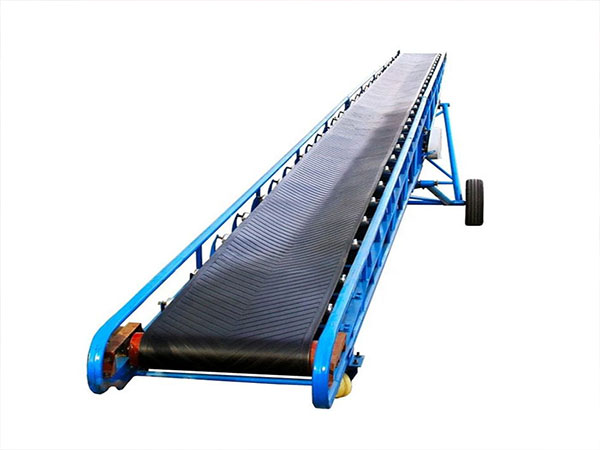
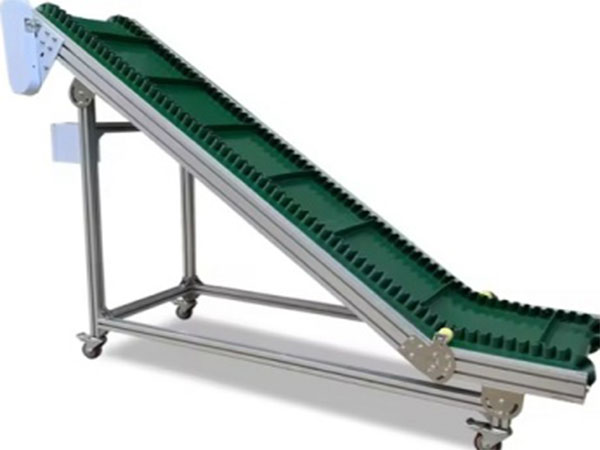
For long-distance main inclined shafts and high-capacity main transport lines, steel cord rubber conveyor belts are recommended. They feature minimal elongation and do not require frequent tension adjustment. For working face gateways, short-distance transfer points and coal washing workshops, PVG solid woven belts with rubber cover or EP fabric laminated rubber conveyor belts are sufficient and more cost-effective. If the conveyor runs at a steep angle and coal tends to slide backward, patterned anti-slip rubber conveyor belts should be adopted to prevent coal backflow and accumulation.
Working conditions differ between underground and open-air sites, and conveyor belts need to withstand various environmental stresses.
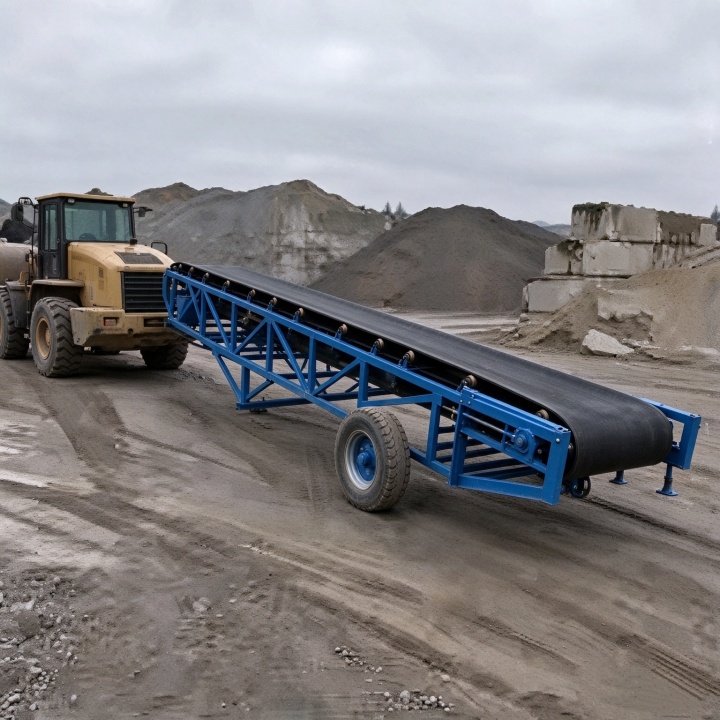
Underground environments are complex. Many roadways have dripping roof water and constant humidity, which may cause delamination and debonding of rubber conveyor belts. Belts with hydrolysis-resistant formulations are required here. For alpine mining areas in northern regions, cold-resistant rubber conveyor belts are suitable; they will not harden or crack easily under low temperatures. For belts exposed to long-term outdoor sunlight, UV-aging-resistant grades are needed to slow rubber hardening and brittling.
Many buyers only compare prices of coal mining rubber conveyor belt while ignoring actual site conditions.
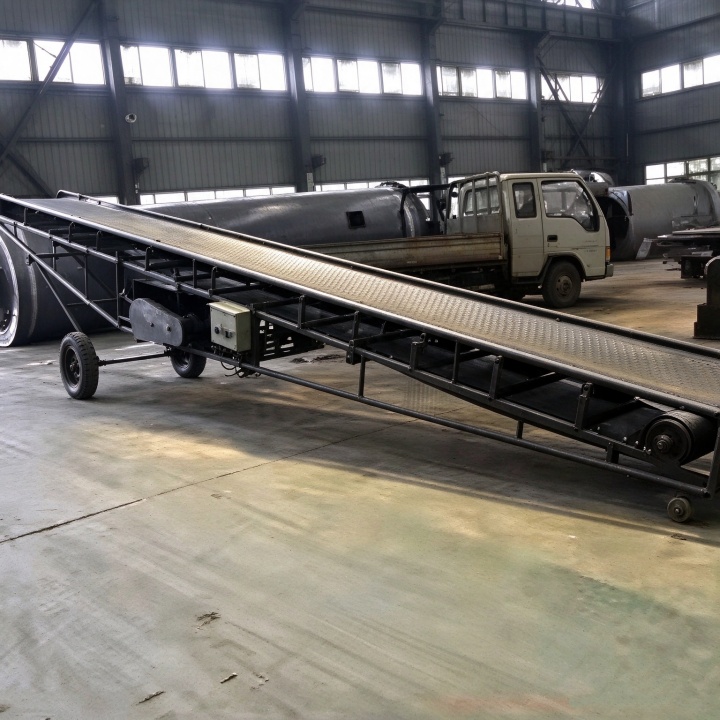
Using ordinary fabric belts on long-distance main transport lines leads to belt elongation after operation and frequent tension adjustment. Operating without tear-resistant layers for high-gangue conditions may result in a single tear accident whose loss far exceeds the price difference of belts. The joint method also needs proper matching. Hot vulcanized joints are preferred for critical routes, while mechanical fastener joints are only for temporary emergency repairs, as fastener joints have lower overall strength.
In summary, when selecting coal mining rubber conveyor belt, first verify whether the belt has coal safety certification for underground application, then assess gangue impact. Next, match the belt with conveying distance and inclination angle, and finally consider environmental factors. A higher price does not always mean a better belt. A coal mining rubber conveyor belt matching your site conditions can reduce failure rates and bring better economic benefits in the long run.
CONTACT
WhatsApp:+86 18339211009
Email:sale@xxdahan.com
Add:China, Henan Province, Xinxiang City.Yanjin county forest park gate to the west 1000 meters north road