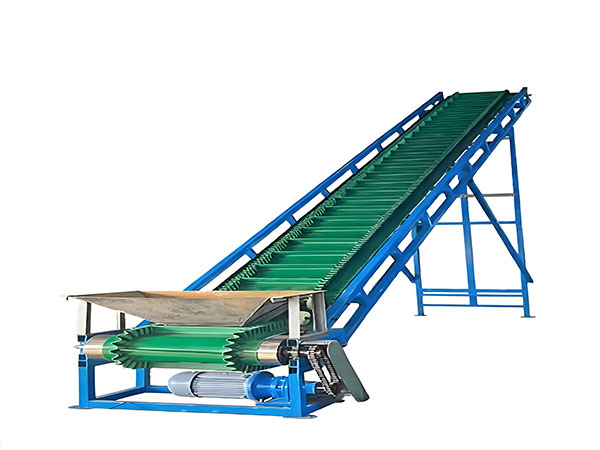
Vertical Belt Conveyor
Vertical Belt Conveyor – 90° vertical conveying for bulk materials.
Capacity: Up to 2,000 t/h.
Lift Height: Up to 57.4 m (500 m extreme).
Space Saving: Reduces footprint by up to 70%.
Maintenance: Standard belt design, fewer wear parts.
Dust Control: Enclosed design minimizes emissions.
Customization: Belt width, speed, power tailored to needs.
Certification: CE certified, ISO 9001:2015 compliant.
What Is a Vertical Belt Conveyor?
A vertical belt conveyor continuously transports bulk materials vertically by compressing them between two belts. Unlike traditional belt conveyors limited to horizontal or gentle incline movement, a vertical belt conveyor enables direct vertical lifting at a 90° angle—pure vertical conveying without intermediate transfer points.
Certified Quality: CE certified and manufactured in ISO 9001:2015 compliant facilities, with food-grade sanitary options available for food processing applications.
Positioning Note: This page focuses specifically on true 90° vertical conveying. For inclined transport at angles below 90°, please refer to our Inclined Belt Conveyor and Climbing Belt Conveyor pages.
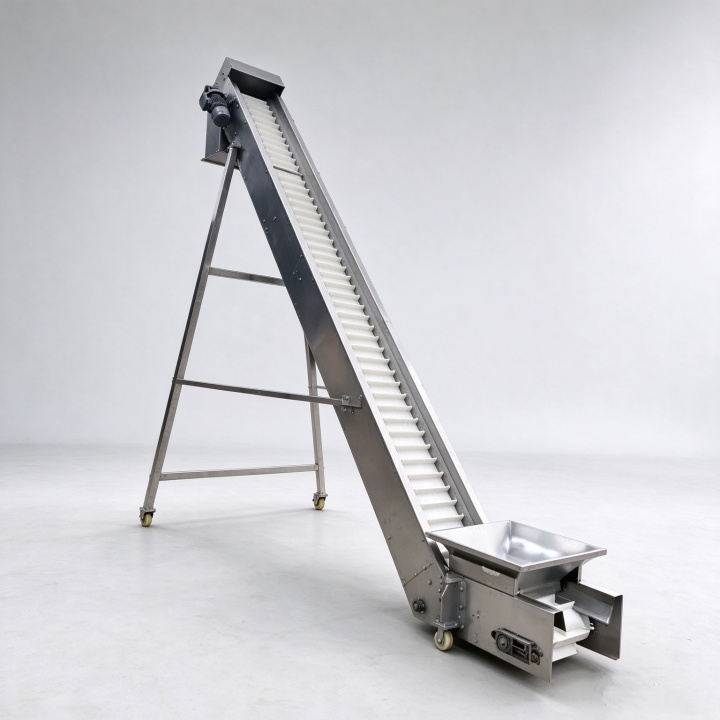
The system consists of a head frame, drive pulley, driven pulley, corrugated sidewall belt, idlers, tensioning device, and motor drive system.
How It Works
Material is fed onto the belt at the lower end. The corrugated sidewalls and diaphragms (cleats) on the belt surface form pocket-like compartments that hold material securely as the belt moves upward.
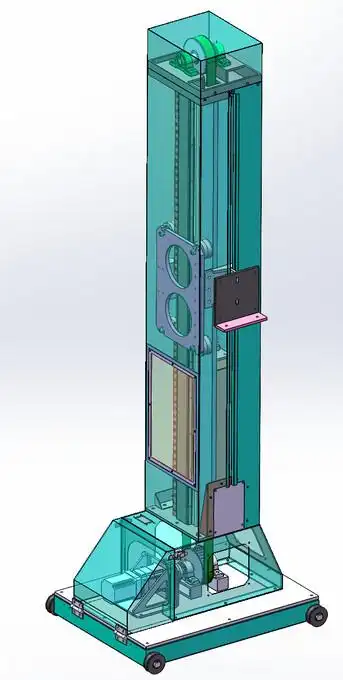
The belt is driven by a motor through a reducer, with friction between the drive pulley and belt providing the traction force for continuous vertical conveying. At the top, material is discharged over the head pulley. This design enables uninterrupted material flow, improving overall throughput and operational efficiency.
Key Features
This vertical belt conveyor adopts a simple standard belt structure for fast and thorough cleaning, longer belt life and easy spare part management, and it can save up to 70% floor space versus inclined conveyors, fitting space‑constrained factories and food processing lines with frequent product switches.
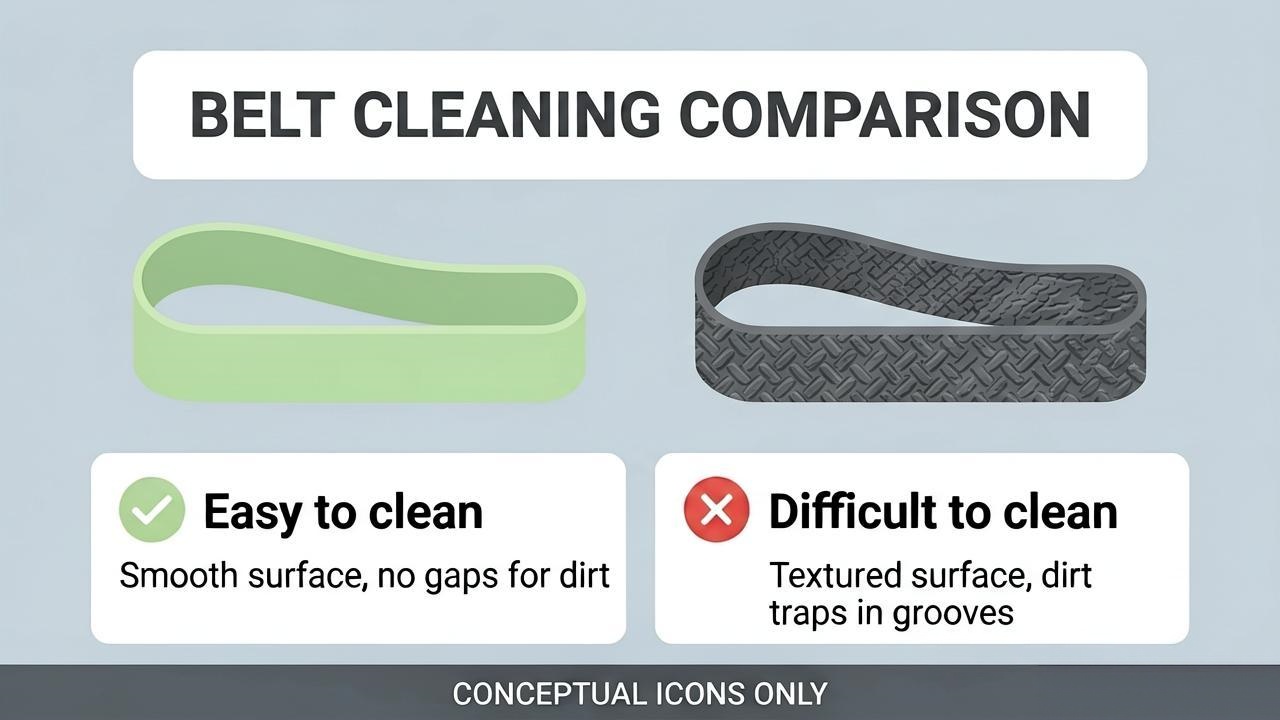
Easy Cleaning with Standard Belt
The vertical belt conveyor uses a standard belt construction without complex sidewalls or cleats. Many conveying systems rely on specialized belts with sand walls, crosspieces, or fins. These complex belts accumulate material in the cleat valleys—making cleaning difficult, time-consuming, and costly. They also have shorter service life and higher replacement costs. By contrast, the standard belt design allows quick, thorough cleaning, extends belt life, and keeps spare parts inventory simple—particularly valuable in food processing and applications requiring frequent product changeovers.
Up to 70% Space Savings
Conveys materials vertically, significantly reducing plant footprint compared to inclined conveyor systems. Ideal for retrofit projects and facilities where floor space is at a premium.
Proven Performance – Field Data
Based on verified shipment records:
| Metric | Value |
| Units delivered | 95 |
| Maximum capacity | 2,000 tons per hour |
| Maximum lifting height | 57.4 meters (extreme up to 500m) |
Case Example – Open-Pit Coal Mine, Southeast Asia
A coal mining operation in Southeast Asia replaced truck haulage with a vertical belt conveyor elevating coal from pit bottom to processing plant 57 meters above. Over a four-year period (2019–2023), the system handled 8.2 million tons of coal with 68 hours of unscheduled downtime. Compared to the previous truck-based method, operational costs decreased by 35%, haul road maintenance was eliminated, and dust emissions were reduced by an estimated 42%. The mine has since ordered two additional units.
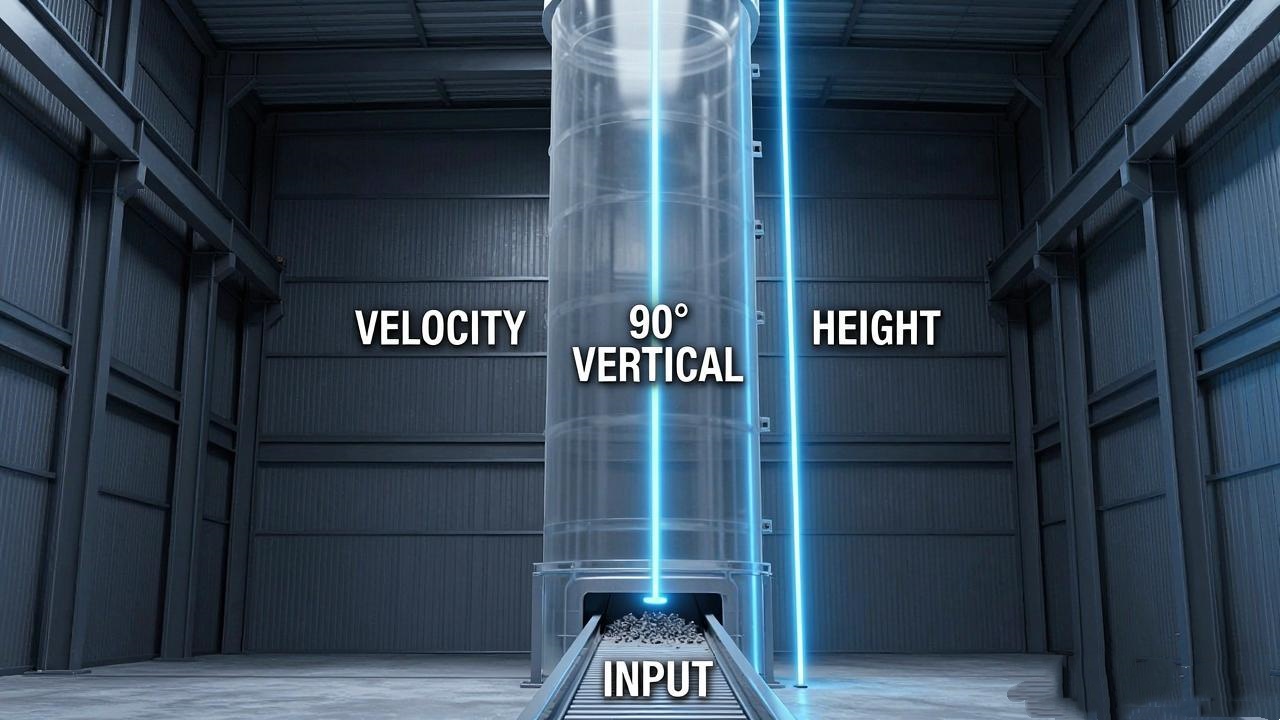
Case Example – Grain Processing Facility, Midwestern United States
A grain processing plant in the Midwestern United States handling corn, wheat, and soybeans switched from a bucket elevator to a vertical belt conveyor with standard belt design and stainless steel construction.
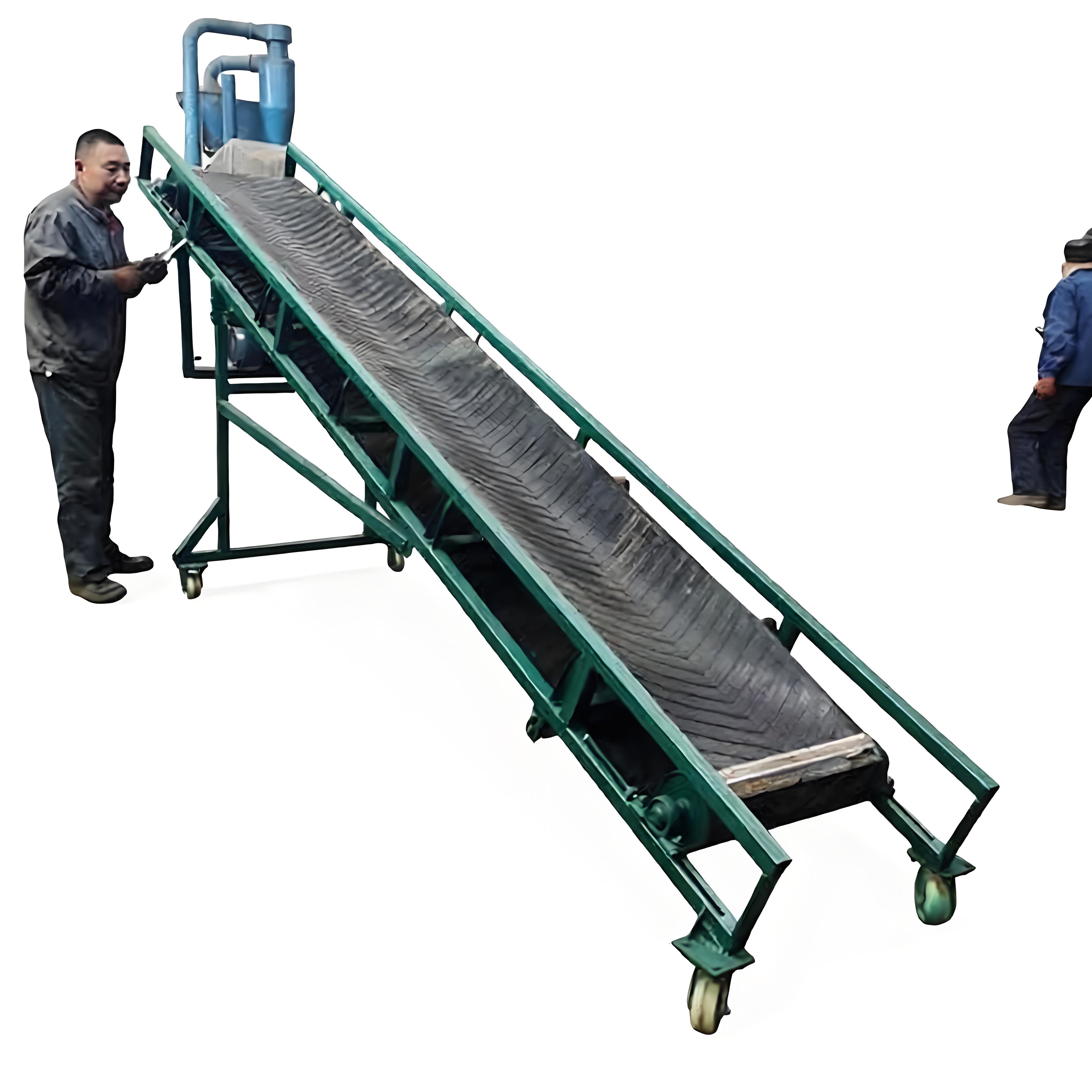
Over three years of operation (2020–2023), cleaning downtime was reduced by 40%, and the simplified design allows quick washdown between product changeovers—reducing cross-contamination risks. The system has operated with no major component replacements since installation.
Technical Specifications
| Parameter | Specification Range |
| Belt Width | 300mm – 2,000mm (customizable) |
| Conveying Height | Up to 80m (customizable) |
| Conveying Capacity | Up to 2,000 t/h |
| Belt Speed | 0.6 – 2.5 m/s |
| Motor Power | 2.2 – 220 kW |
| Inclination Angle | 0° – 90° |
| Belt Material | Rubber, PVC, PU, silicone (options available) |
Specifications customizable based on material characteristics and site conditions.
Applications
The vertical belt conveyor is widely used across industries for efficient ertical material transport:
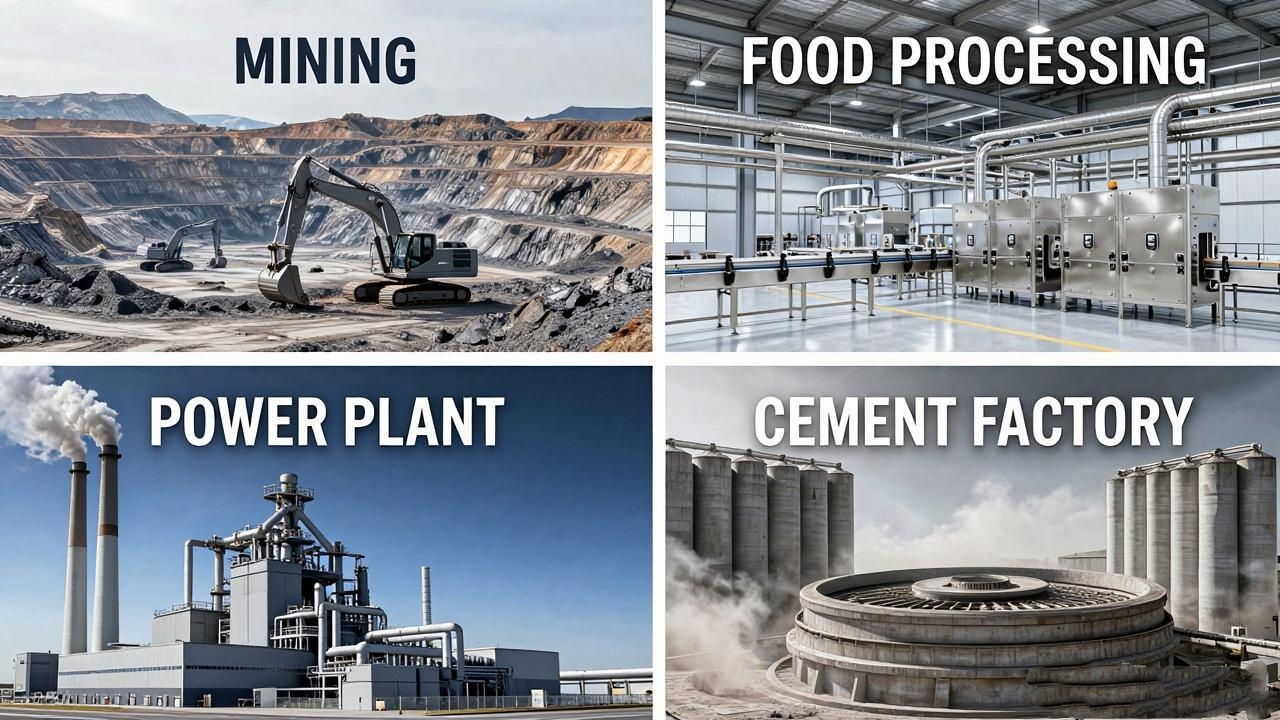
Mining and quarrying: hopper feeding, crusher feed, stockpile reclamation, coal and ore lifting.
Power generation: boiler feed, silo filling, fuel storage handling, coal and biomass handling.
Food processing: hopper feeding, weigh scale feeding, walk-through elevation, sanitary washdown, grain and nut handling.
Cement and building materials: raw material feeding, clinker handling, silo filling, aggregate lifting.
Chemical and pharmaceutical: raw material transport in sanitary environments.
Agriculture: grain and feed elevating in grain elevators and feed mills.
Waste recycling: RDF, sludge, and recycled material handling.
Wood processing: wood pellets, chips, and bark handling.
Frequently Asked Questions
What materials can a vertical belt conveyor handle?
Coal, limestone, iron ore, wood pellets, petroleum coke, RDF, sediment, gypsum, cut tires, grains, and more.
What is the maximum conveying height?
57.4 meters, with configurations up to 500 meters.
How does a vertical belt conveyor differ from a bucket elevator?
A vertical belt conveyor provides continuous conveying with less material degradation. Unlike bucket elevators using chains and buckets prone to wear and frequent replacement, belt-based systems have fewer moving parts and no chain stretch or misalignment issues—resulting in lower maintenance costs and longer service life. The gentle conveying action also minimizes product breakage, particularly important for fragile materials like grains or pellets.
Is it suitable for outdoor use?
Yes, with weather-resistant components.
How to maintain it?
Regular maintenance includes checking belt tension, inspecting sidewalls and diaphragms, lubricating bearings, and ensuring alignment. With limited material adhesion, cleaning is less frequent.