E-mail: sale@xxdahan.com
Follow Us 


A modern automatic belt conveyor system is an advanced, computer-controlled material handling solution that integrates heavy-duty mechanical transport with smart sensors, programmable logic controllers (PLCs), and automated sorting mechanisms. Unlike manual or basic gravity setups, it enables seamless, high-speed, and unmanned material transfer across complex industrial and logistical workflows.
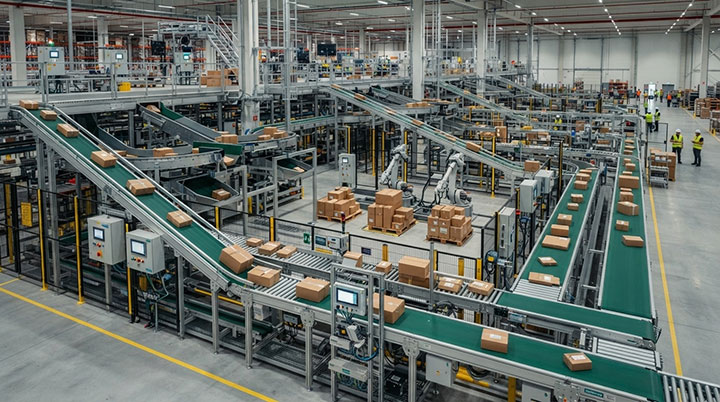
The system is engineered with four primary modular components designed for maximum reliability:
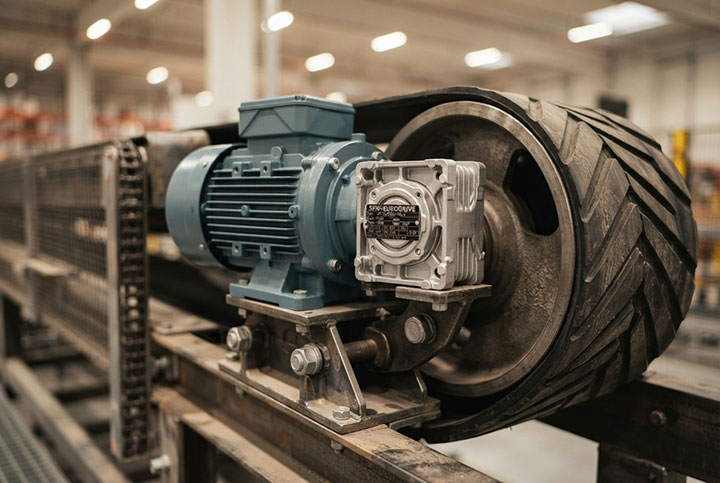
Heavy-duty motors, gearboxes, and auto-tensioners ensuring smooth, continuous belt motion under heavy loads.
Specialized multi-ply rubber, PVC, or modular plastic belts tailored for impact, heat, or oil resistance.
Precision-aligned steel truss frames and roller idlers to minimize friction and wear.
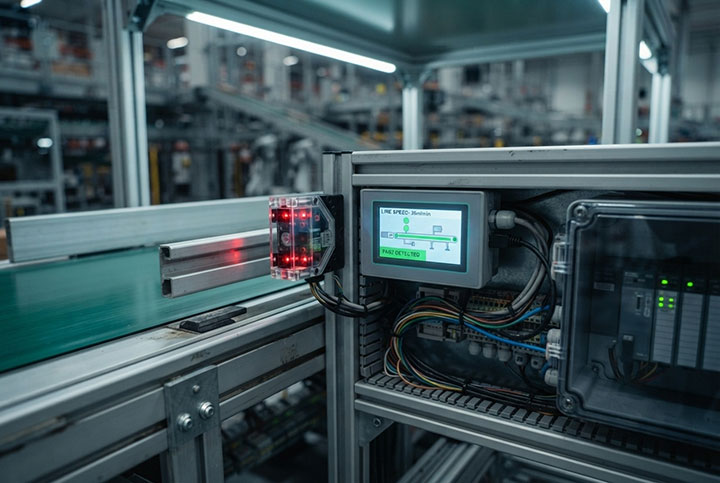
Central PLC panels integrated with photoelectric, proximity, and speed sensors for real-time monitoring and automated command execution.
While traditional belt conveyors rely heavily on manual operation, fixed speeds, and constant human supervision, an automatic belt conveyor system features intelligent speed regulation, automatic error-detection, dynamic accumulation, and bi-directional communication with upper-level factory software. It transforms passive material moving into an active, data-driven automated node.
To ensure precise engineering matching and seamless integration into your facility, our industrial automatic belt conveyor systems are built to the following standard parameters, with full custom-engineering flexibility available upon request.
| Performance Parameter | Standard Specification Range | Custom Options Available |
|---|---|---|
| Belt Width (mm) | 500mm – 2000mm | Custom widths up to 3000mm |
| Conveying Speed | 0.1 – 2.5 m/s (Adjustable via VFD) | High-speed sorting up to 4.0 m/s |
| Load Capacity | Up to 100 kg/m (Medium-duty) | Heavy-duty structural frames up to 500 kg/m |
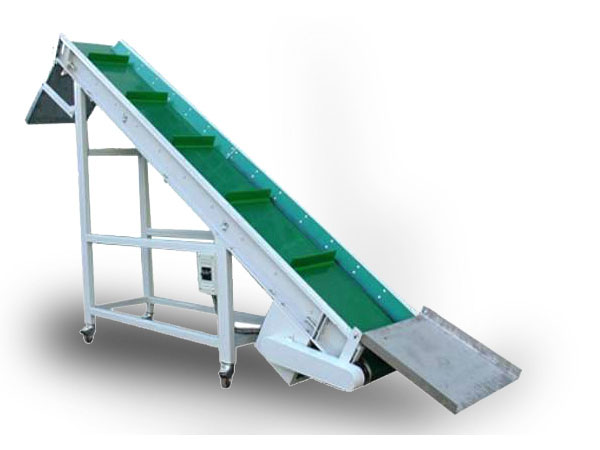
| Inclination Angle | 0° – 25° (Flat & Cleated belt options) | Z-type or high-angle steep incline designs |
| Control System | Siemens / Schneider PLC & HMI | Custom brand integration (Allen-Bradley, etc.) |
For rigorous industrial environments, we engineer specialized variants featuring heat-resistant rubber, food-grade stainless steel frames (SUS304), and explosion-proof motors (Ex-proof ATEX certified) to withstand corrosive, abrasive, or hazardous operating conditions.
The intelligence of an automatic belt conveyor system lies in its control architecture. By combining high-precision sensors with robust programmable logic controllers (PLCs), the system operates autonomously, reacting dynamically to real-time operational demands.
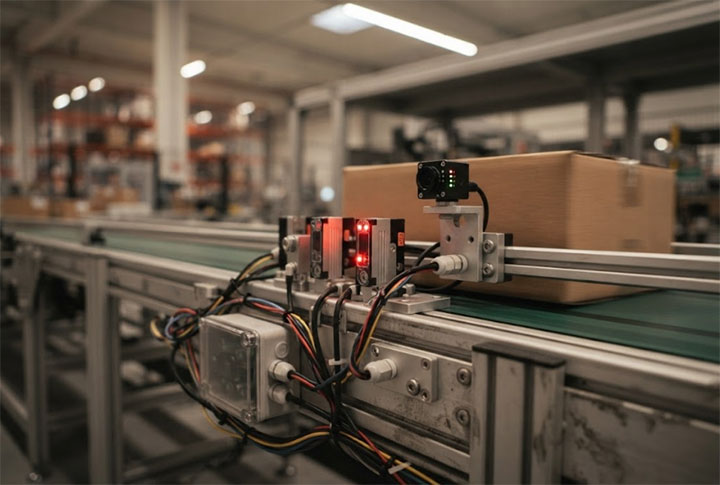
Strategic deployment of photoelectric, inductive, and proximity sensors along the conveyor path enables continuous material detection. These sensors instantly track package positions, prevent jams, regulate speed transitions, and trigger emergency stops when safety clearances are compromised.
Our automation hubs feature open-architecture communication protocols (such as PROFINET, Modbus, and Ethernet/IP). This allows the conveyor system to integrate smoothly with upper-level Warehouse Management Systems (WMS) and Manufacturing Execution Systems (MES), enabling real-time data exchange, automated sorting, and smart warehouse routing.
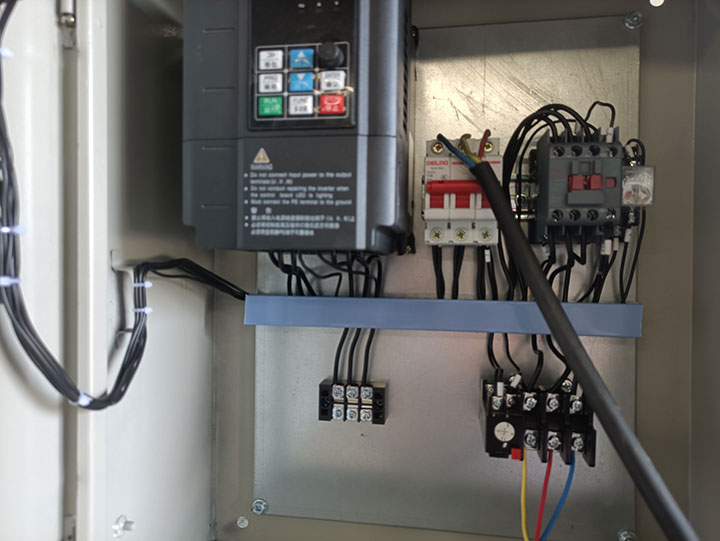
Due to their modular design and flexible control logic, our automatic belt conveyor systems are widely deployed across heavy-duty industries and high-throughput modern facilities to streamline material flow.
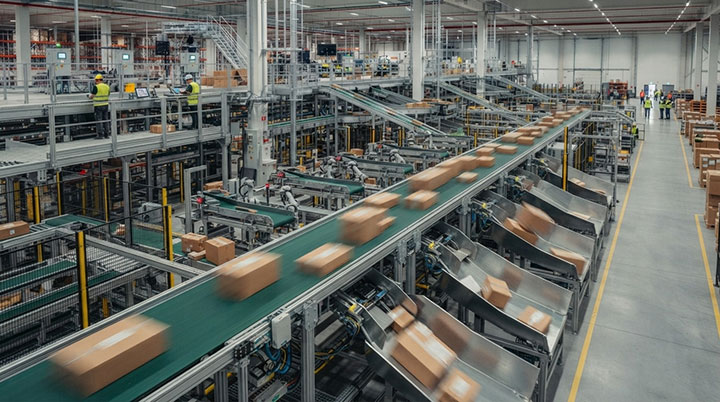
Automated Warehousing and Fulfillment Centers: Deployed in e-commerce logistics and distribution hubs for high-speed parcel sorting, automatic scanning integration, volume-based merging, and seamless multi-level vertical or horizontal transfer.
Modern Manufacturing Assembly Lines: Integrated directly into heavy machinery, automotive components, and 3C electronics assembly lines to manage synchronized workstation pacing, automated buffering, and smart material delivery between robotic cells.
Investing in an advanced conveyor automation system delivers immediate operational and financial returns, transforming plant efficiency from the ground up.
By automating the transfer and sorting processes, facilities typically reduce manual handling labor by up to 60% while increasing overall line throughput by 2.5x. Automated accumulation and speed regulation eliminate bottlenecks, resulting in a full return on investment (ROI) within 12 to 18 months.
Every system is manufactured under strict ISO quality controls, utilizing heavy-gauge structural steel, laser-cut components, and internationally certified drives (Siemens, Schneider, SKF bearings) to guarantee a minimum 10-year operational lifespan under continuous 24/7 industrial duty.
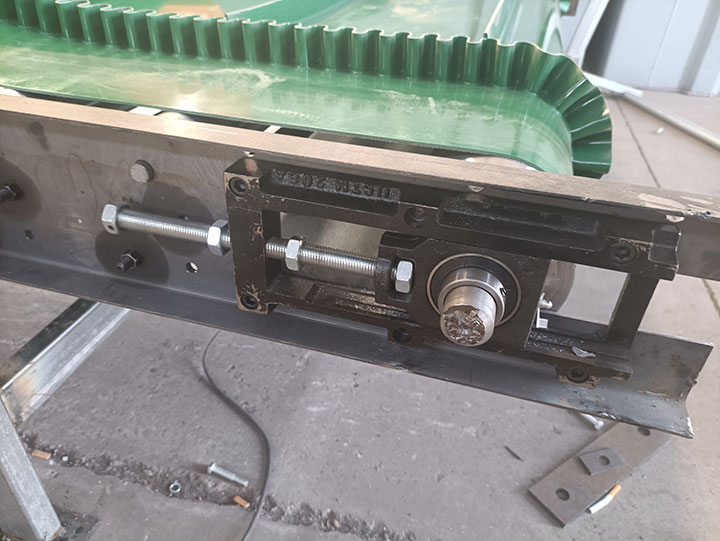
Because no two industrial facilities share the exact same floor plan or material flow requirements, standard off-the-shelf equipment rarely suffices. Our engineering team specializes in tailoring automatic belt conveyor systems to unique architectural and operational constraints across diverse sectors.
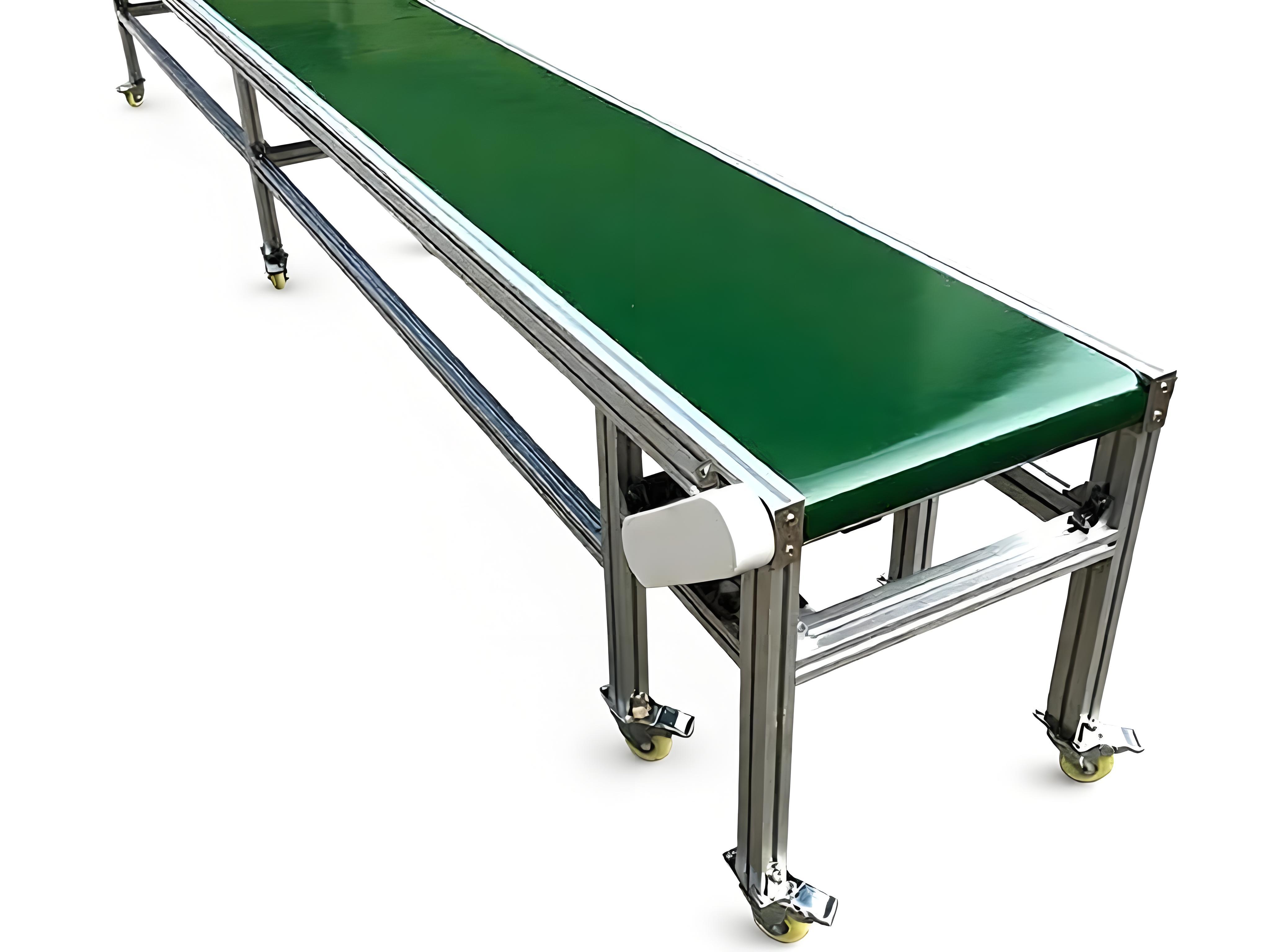
Case Study 1: Horizontal Belt Conveyor for Bagged Flour
Designed for food processing and packaging lines, this system provides stable horizontal transport for bagged materials. Equipped with anti-slip belts and precision VFD speed control, it ensures smooth movement of heavy flour bags while preventing package slippage or tearing during continuous multi-shift operations.
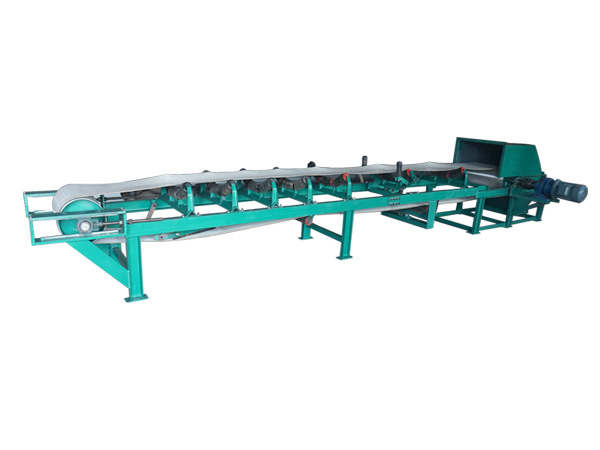
Case Study 2: Waste Belt Conveyor for Plastic Bottle Recycling
Tailored for recycling and waste management facilities, this robust conveyor system accommodates plastic bottles of varying shapes, sizes, and weights. Featuring an adjustable structural width and heavy-duty frame, it optimizes sorting efficiency and maintains reliable, continuous material flow in harsh recycling environments.
To maximize system uptime and prevent unexpected downtime in 24/7 industrial environments, operators should follow structured maintenance and rapid diagnostic protocols.
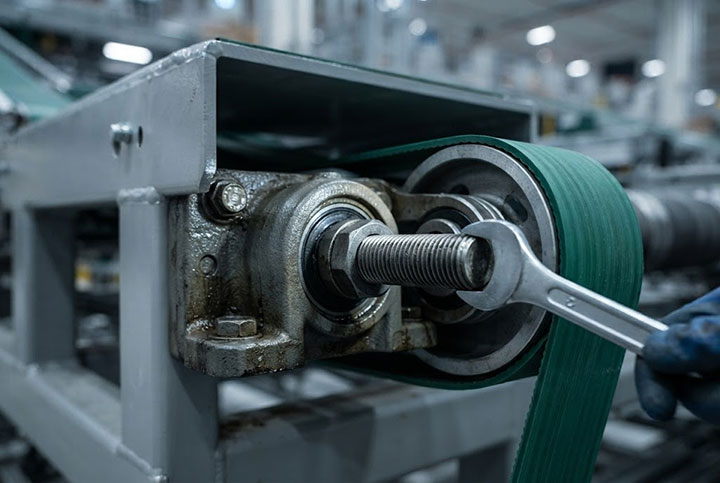
Symptom: The conveyor belt gradually drifts to one side during high-speed, long-duration runs.
Diagnostic & Solution: Inspect for uneven material loading or debris buildup on the return idlers. Adjust the snub and take-up pulleys symmetrically using the tension bolt mechanism. Ensure the structural frame is level and square to permanently restore proper belt tracking.
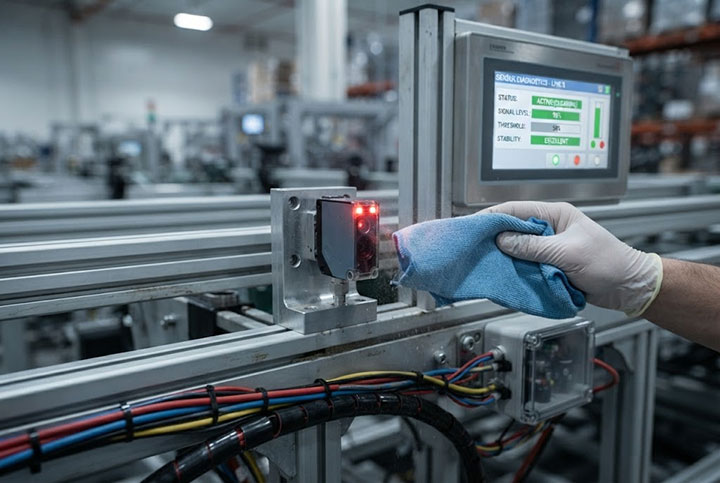
Symptom: Photoelectric sensors fail to trigger timely stops or cause delayed PLC command execution.
Diagnostic & Solution: Check sensor optical lenses for dust or oil contamination and clean with a dry microfiber cloth. Verify the 24V DC power supply stability and test sensor response thresholds via the HMI control panel to eliminate signal lag.
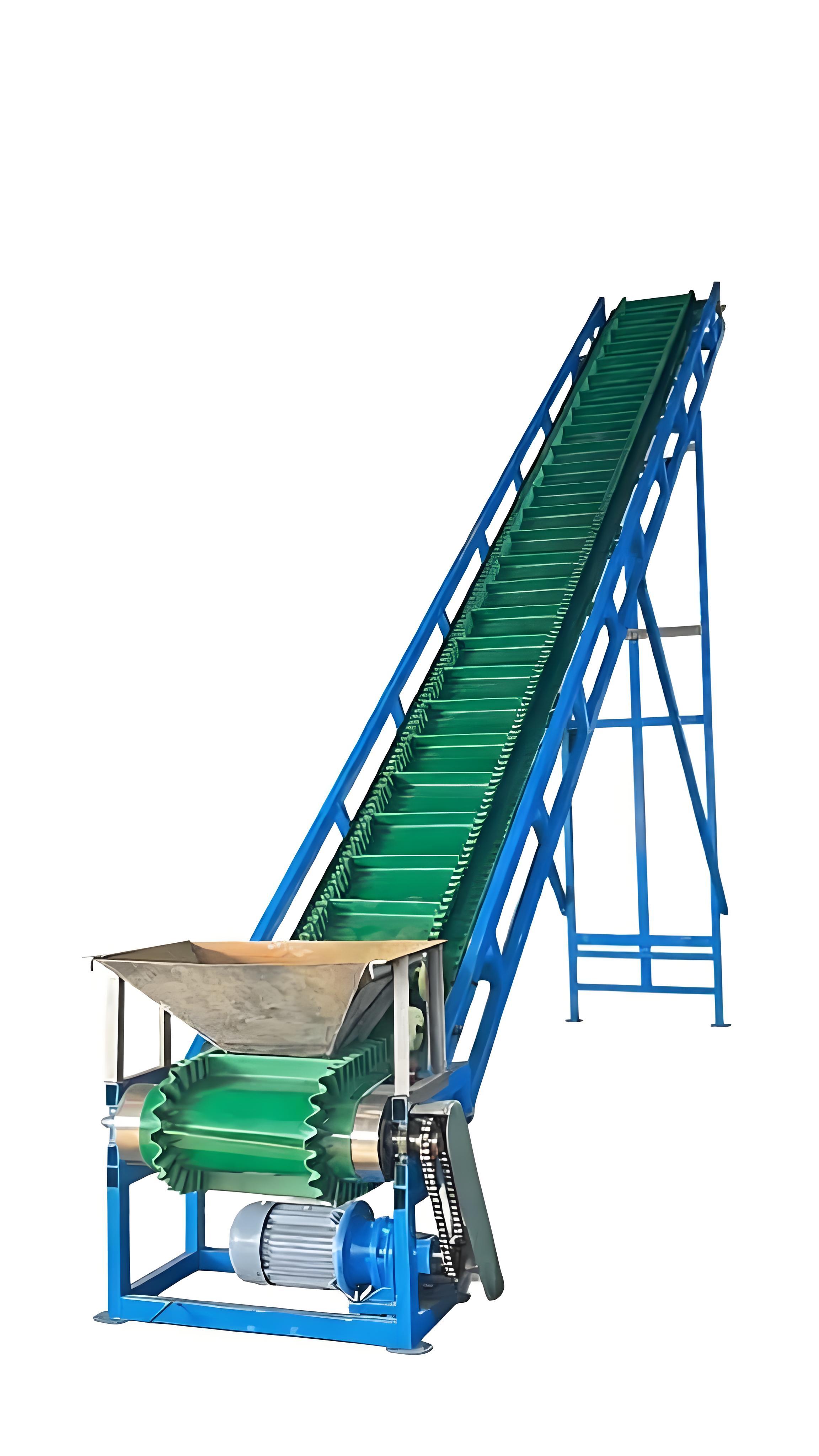
Our modular automatic belt conveyor systems can be engineered for single-drive continuous lengths up to 100 meters, with multi-drive systems extending infinitely. Inclination angles typically range from 0° to 25° for flat belts, and up to 45° using specialized cleated belts or Z-type configurations.
Yes. Our control panels feature open industrial communication protocols (such as PROFINET, Modbus, and Ethernet/IP), allowing seamless integration with existing plant control systems, PLCs (Siemens, Allen-Bradley, Schneider), and upper-level WMS/MES software.
Standard system manufacturing lead time ranges from 20 to 35 days, while customized heavy-duty systems take 40 to 60 days. Routine maintenance involves simple monthly sensor checks, quarterly tension adjustments, and annual roller bearing lubrication to ensure a 10+ year operational lifespan.
Optimize your plant’s material handling efficiency with a robust, tailor-made automatic belt conveyor system. Tell us your layout dimensions, material specifications, and throughput requirements, and our senior engineering team will provide a comprehensive 3D layout design and quotation within one business day.
CONTACT
WhatsApp:+86 18339211009
Email:sale@xxdahan.com
Add:China, Henan Province, Xinxiang City.Yanjin county forest park gate to the west 1000 meters north road