E-mail: sale@xxdahan.com
Follow Us 


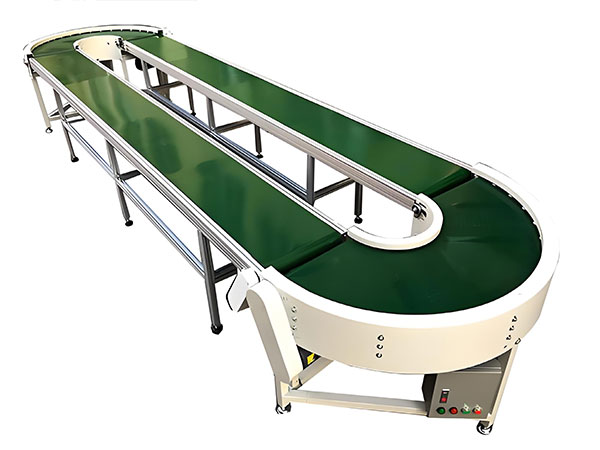
Automatic belt conveyor system underpin the entire material flow. If they fail to keep up with production rhythms or communicate with other equipment, the whole automation solution will fall short of expectations.
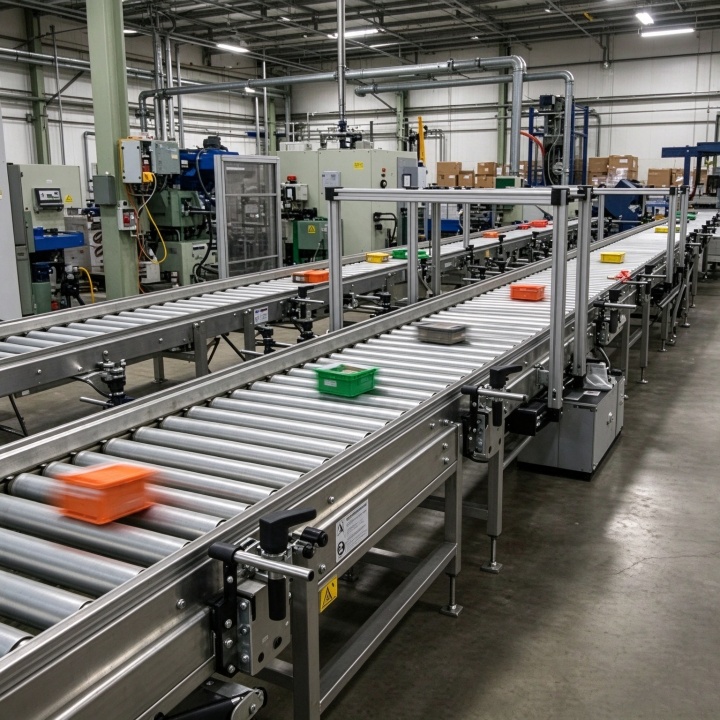
Sort out your core requirements before requesting quotes to select a conveyor system suited to your working conditions.
Automatic belt conveyor system demands stable material handling, as sensor scanning, counting and diverting all rely on consistent material transport.
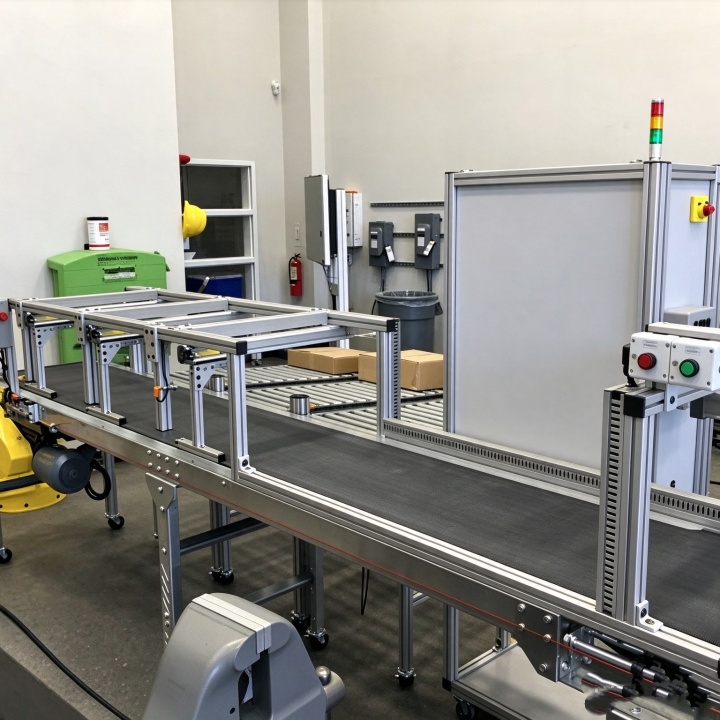
First, document the weight, dimensions and surface condition of your materials, and check if they tend to tip over or slip. Inconsistent material characteristics often trigger errors in automated inspection processes. Meanwhile, calculate the hourly throughput to match the operating rhythm of upstream and downstream equipment. Misaligned timing is a common pain point for automated lines. Build in reasonable capacity margins during selection to avoid jams caused by insufficient automatic belt conveyor system speed.
Different models vary greatly in their potential to add automated functions. Some automatic belt conveyor systems easily accommodate inspection and diverting modules, while others are designed for fixed-point transfer. See the comparison of common models below:
| Conveyor Type | Automation Application | Key Features |
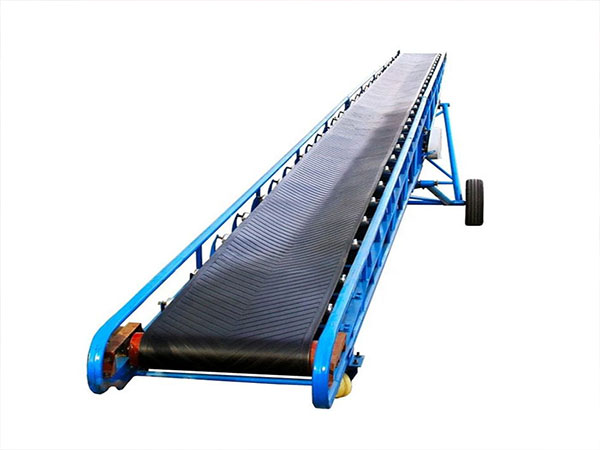
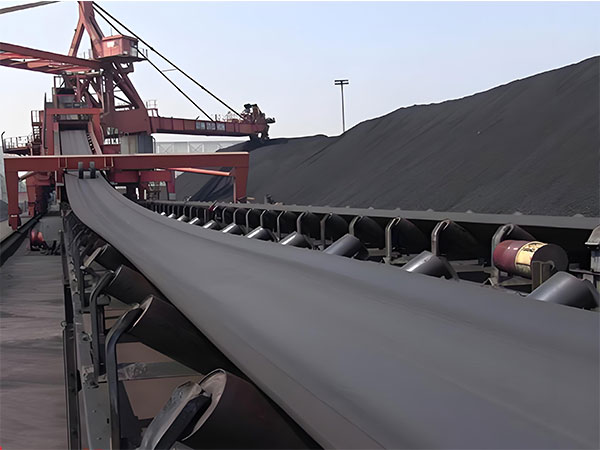
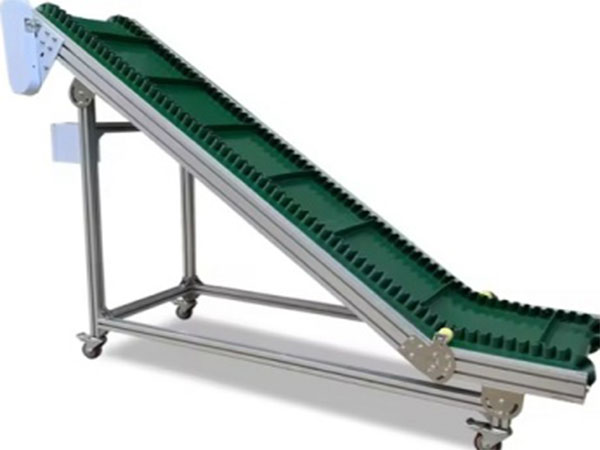
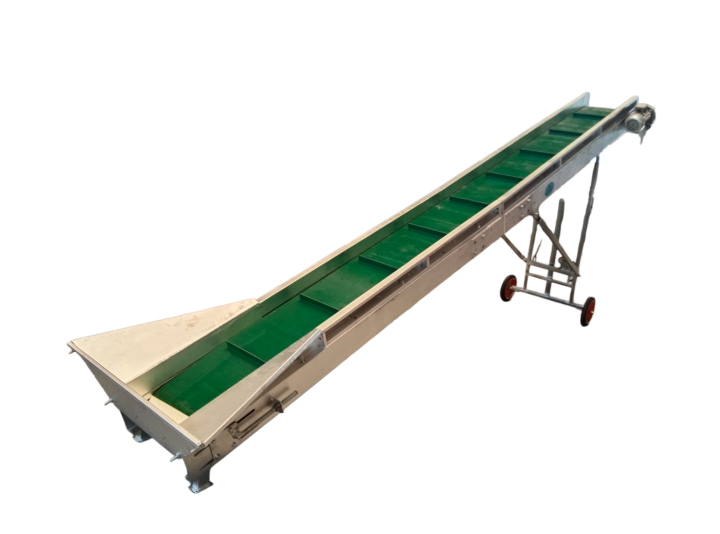
| Belt Conveyor | Feeding, incline transport, barcode scanning & inspection | Smooth conveying, simple sensor installation |
| Roller Conveyor | Sorting, buffering, pallet handling | Accumulation control supported, ideal for segmented automation |
| Slat / Mesh Belt Conveyor | Food processing, high-temperature and clean production lines | Stainless steel construction, wash-resistant and heat-resistant |
Automatic belt conveyor system come with photoelectric sensors, encoders, control cabinets and extensive wiring. When planning the layout, aside from the conveyor path, bends and incline space, reserve room for control cabinet placement and cable routing.
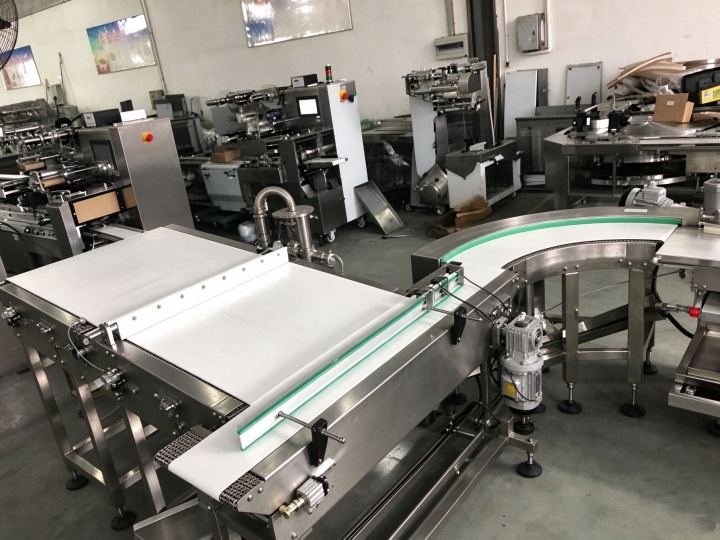
Workshop conditions also affect the service life of electrical components. Sensors and motors need matching protection ratings for dusty, humid or low-temperature environments. Maintenance access space is also required for sensor calibration and wiring troubleshooting.
This is the critical consideration when selecting an automatic belt conveyor system.
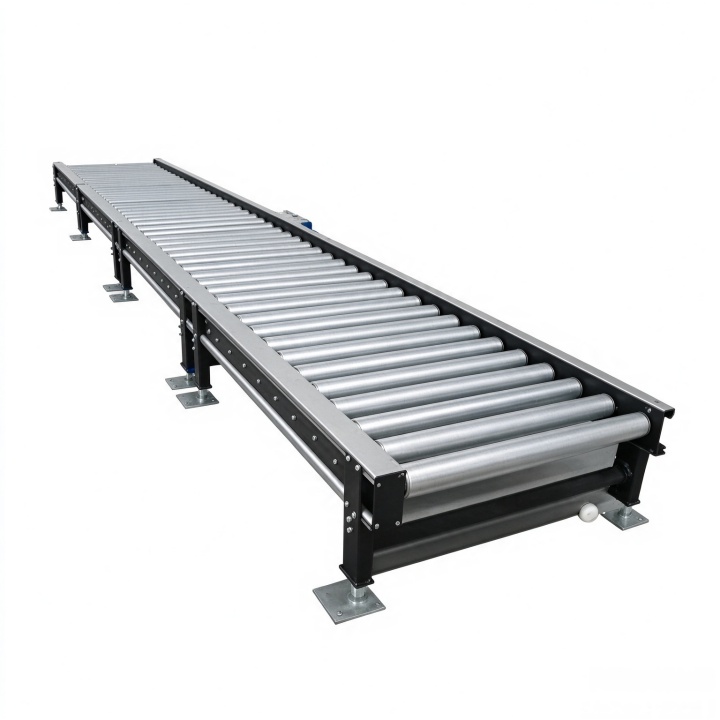
Decide in advance whether the equipment needs to connect to PLC and WMS systems, and exchange signals with sorters and packaging machines to enable automatic start-stop and low-material alerts. For basic material transfer, variable frequency speed control is sufficient. If you need item tracking and automatic sorting, confirm the control system supports additional signal interfaces and functional expansion. Plan for future upgrades from the start. A locked-in electrical control framework will lead to high modification costs later on.
Automatic belt conveyor system combine mechanical structures with a full set of electrical control components, so their maintenance costs differ from standard conveyors.
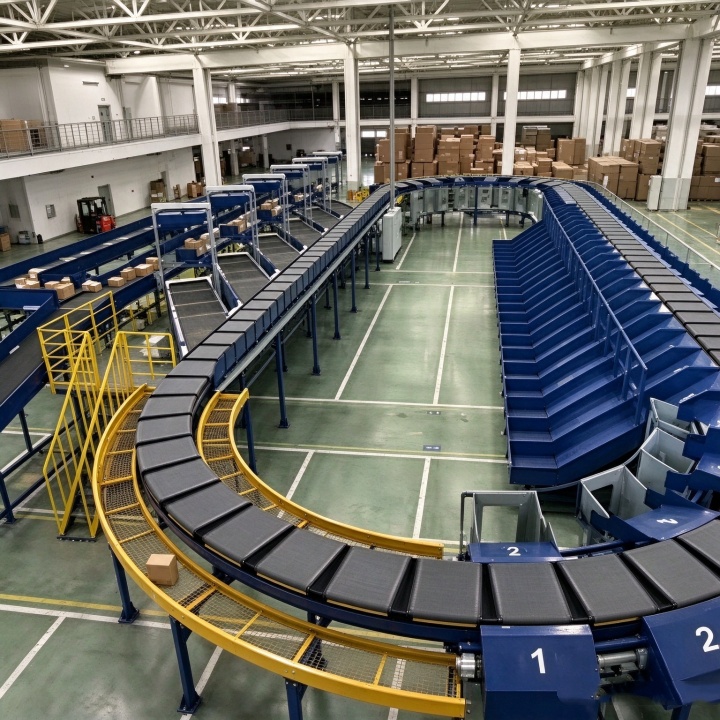
When comparing quotations, do not only focus on the frame and conveying surface. Also check the interchangeability of electrical parts, and the supplier’s commissioning and after-sales support. A stable control scheme reduces false signal triggers and unplanned downtime, cutting production losses across the whole automated line for better overall cost efficiency.
Focusing only on mechanical structure while ignoring expandable controls makes it difficult to add automation features later.
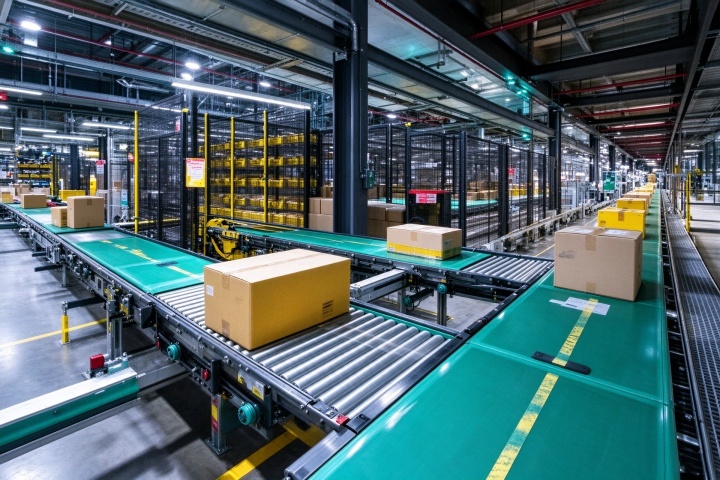
Vague material specifications lead to poorly matched sensors and high detection failure rates. Mismatched conveyor throughput and line rhythm cause frequent jams and idling. Electrical components with insufficient IP ratings break down frequently in harsh working environments.
Q: Is accumulation function required for all automatic belt conveyor system?
A: No. Accumulation is mainly used for sorting and buffering stations. It can be omitted for simple straight conveying to save budget.
Q: Can electrical control functions be upgraded later? A: It depends on whether sufficient IO ports are reserved in the initial design. Upgrades are simple with spare ports; modification becomes difficult once all ports are occupied.
Automatic belt conveyor system forms a vital link within automated production lines. Check material traits, throughput rhythm, site constraints and integration requirements step by step to find a well-matched solution and unlock the full performance of your automation system.
CONTACT
WhatsApp:+86 18339211009
Email:sale@xxdahan.com
Add:China, Henan Province, Xinxiang City.Yanjin county forest park gate to the west 1000 meters north road