E-mail: sale@xxdahan.com
Follow Us 


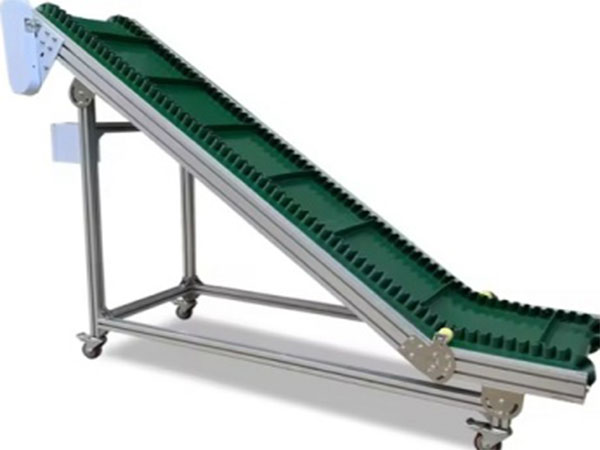
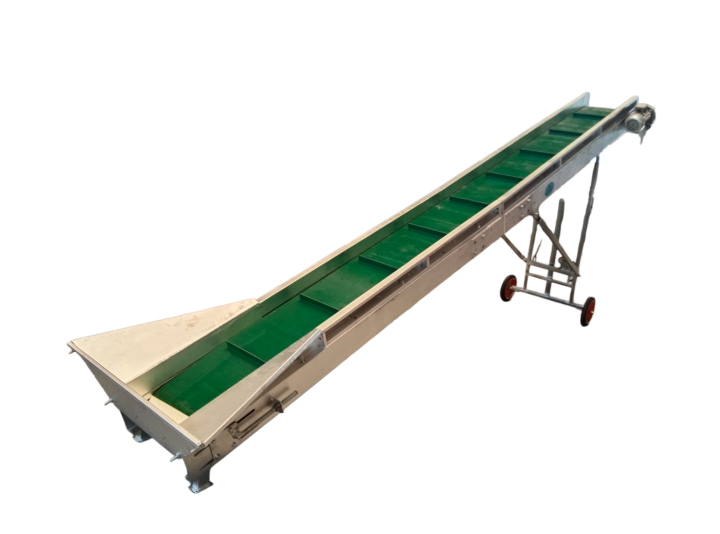
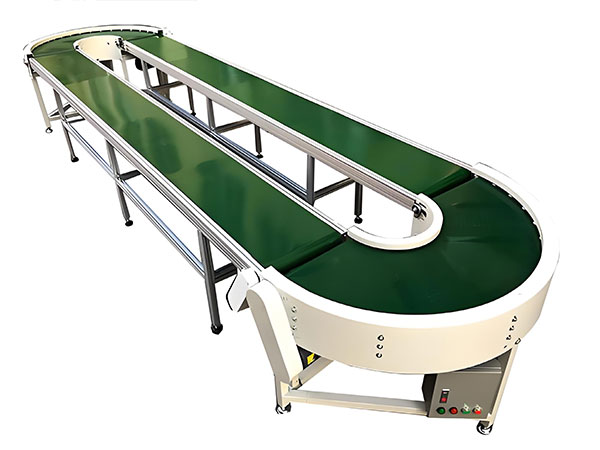
A slider bed belt conveyor supports the belt with a solid UHMWPE slider bed plate instead of idlers. It runs smoothly and is less likely to crush soft packages and small goods. The slider bed belt conveyor is commonly used to transport packaged bags, cartons, lithium battery materials and food materials.
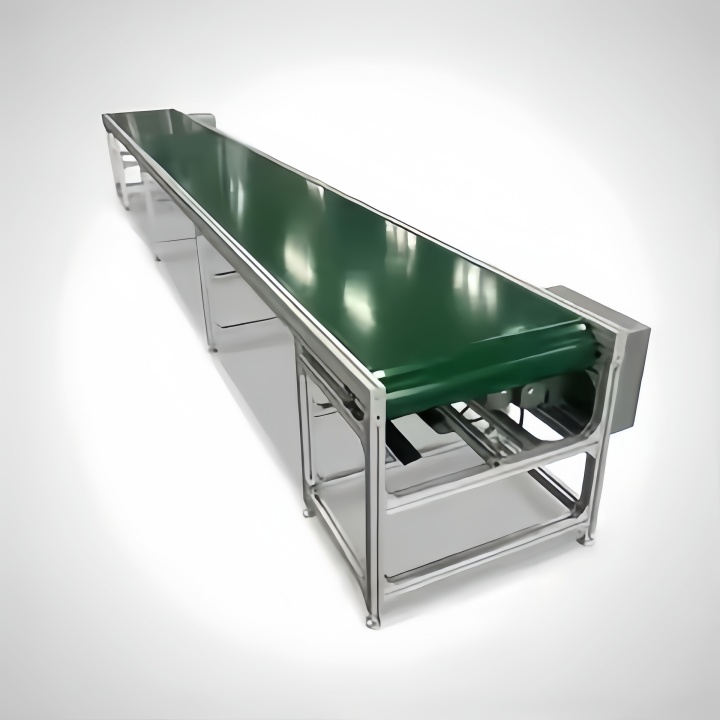
Quotations for similar slider bed conveyors vary widely. Its cost structure differs significantly from roller bed belt conveyors. Below are reference prices under standard working conditions, along with a breakdown of its unique cost drivers and often-overlooked extra expenses.
These reference prices apply to standard configurations: 10 ft length, 24–36 in belt width, classified into three load capacity tiers.
| Specification Baseline | Price Range (USD/unit) | Description |
| Light-Duty Slider Bed Belt Conveyor | $600 – $1,600 | Small model, suitable for lighter packaged small items |
| Medium-Duty Slider Bed Belt Conveyor | $1,600 – $4,000 | The most commonly used mainstream model on the market |
| Heavy-Duty Slider Bed Belt Conveyor | $4,000 – $10,000 | Reinforced frame and reinforced slider bed, suitable for continuous heavy loads |
Compact units shorter than 5 ft may cost less than $600. Custom solutions including extended length, wider belt, stainless steel frame, food-grade belt and inclined non-standard structures will exceed the upper price limits listed above.
The slider bed liner is the unique core component of this slider bed belt conveyor. Its thickness, raw material quality, and special properties such as anti-static and food-grade ratings create substantial price differences.
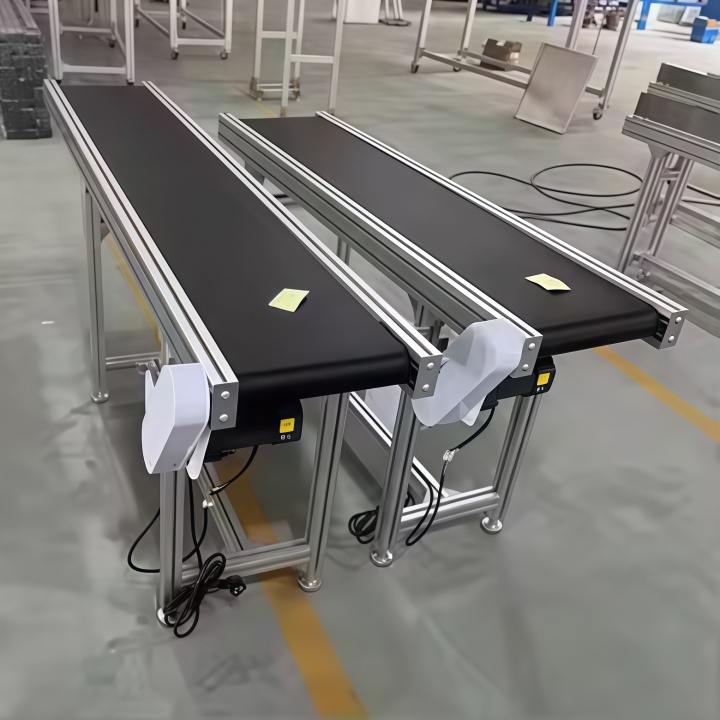
Longer and wider conveyors consume more liner material.
Since the belt slides directly against the slider bed plate, ordinary belts are not suitable. Low-friction wear-resistant belts, food-grade belts and anti-static belts carry notably different costs.
Continuous sliding friction places greater stress on the frame under the same load compared to roller bed conveyors, so frame reinforcement standards vary by model.
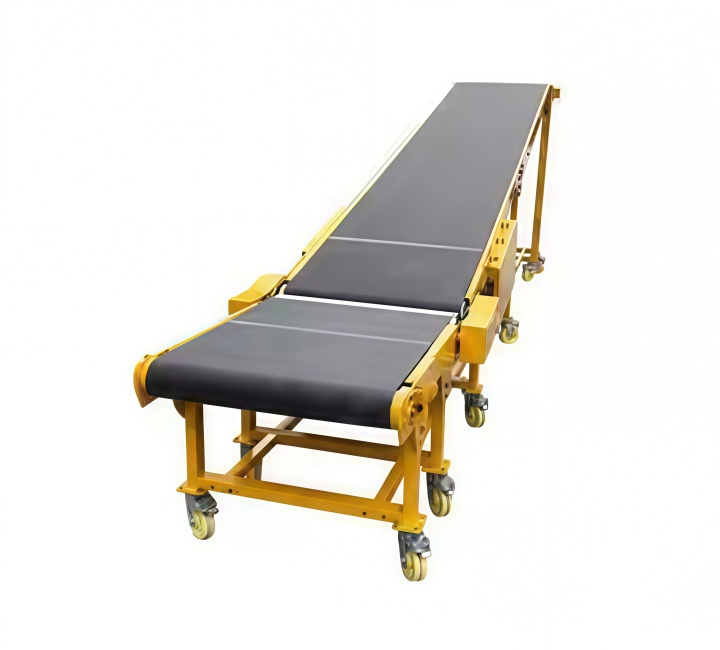
Sliding friction brings higher resistance, which requires a higher-power motor. Additional options such as variable frequency drives and brakes further increase costs.
Side guards, slider bed cleaners and other accessories are optional parts designed to match the flat conveying surface of slider beds and come at an extra cost.
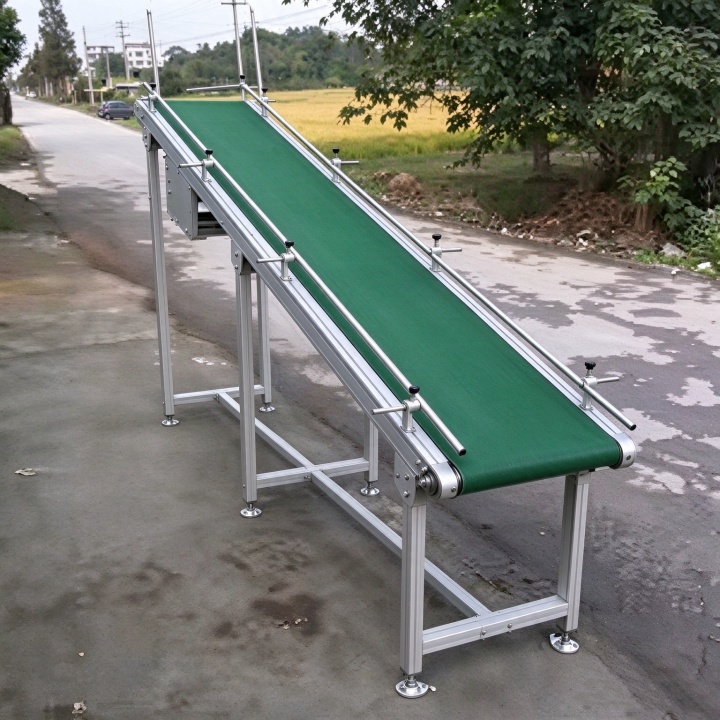
Special custom requirements such as spliced multi-section slider beds and cleanroom working conditions raise processing difficulty and the final quotation.
Many buyers only compare bare machine prices and overlook follow-up expenses, including ocean freight, local drayage, import duties, installation and commissioning, as well as spare UHMWPE liner plates and special belts for later maintenance. These items push up the total investment.
Slider bed and roller bed conveyor each have trade-offs. Slider bed belt conveyor designs protect products, yet the replacement cost of slider plates and belts is higher.
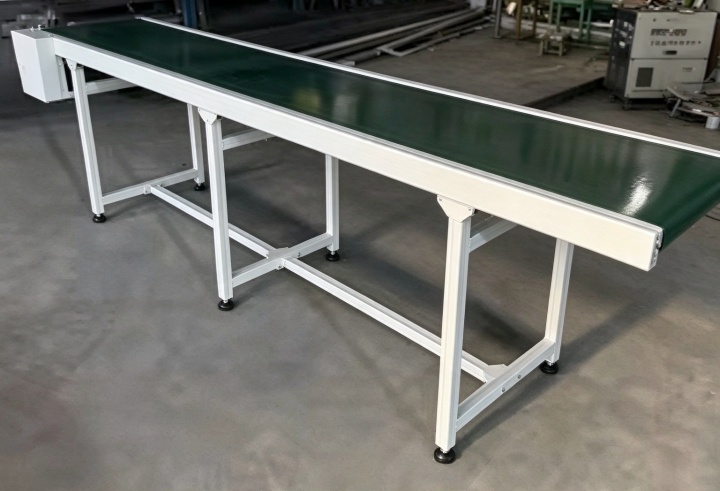
Selection should not rely solely on unit price. Roller bed conveyors rely on rotating idlers for low resistance and have a lower base price, but they may squeeze soft materials.
Q: How often does the UHMWPE slider bed plate of a slider bed belt conveyor need replacement?
A: Service life depends on conveyed materials, daily operating hours and belt lubrication. Replacement cycles shorten under high-friction working conditions.
Q: Can a slider bed belt conveyor be priced under $600?
A: Simple compact models within 5 ft in length are available at this price point.
CONTACT
WhatsApp:+86 18339211009
Email:sale@xxdahan.com
Add:China, Henan Province, Xinxiang City.Yanjin county forest park gate to the west 1000 meters north road