E-mail: sale@xxdahan.com
Follow Us 


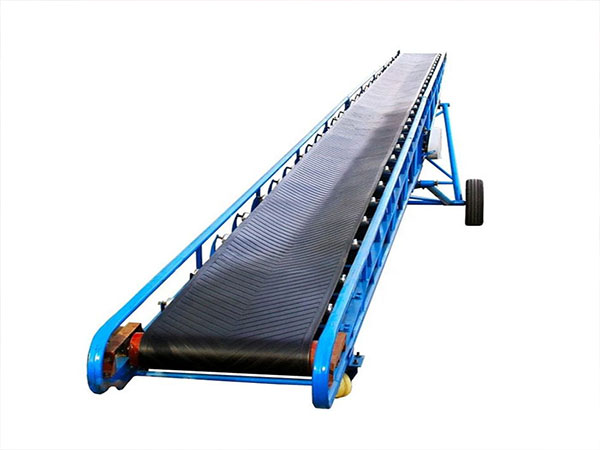
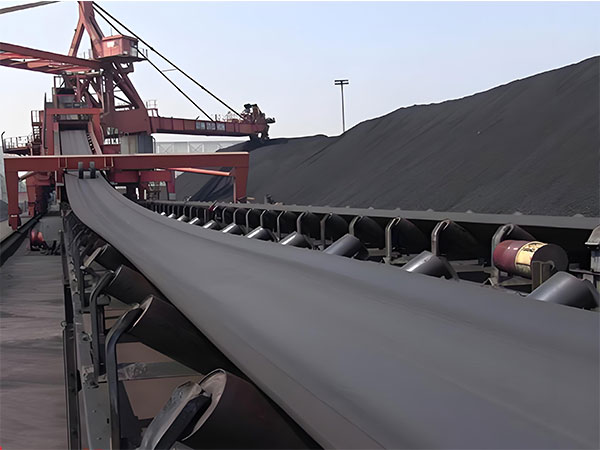
Long-distance belt conveyor generally refers to conveying equipment with a conveying length over 50 meters. They are widely used in sand and gravel plants, mines and ports to transfer bulk materials.
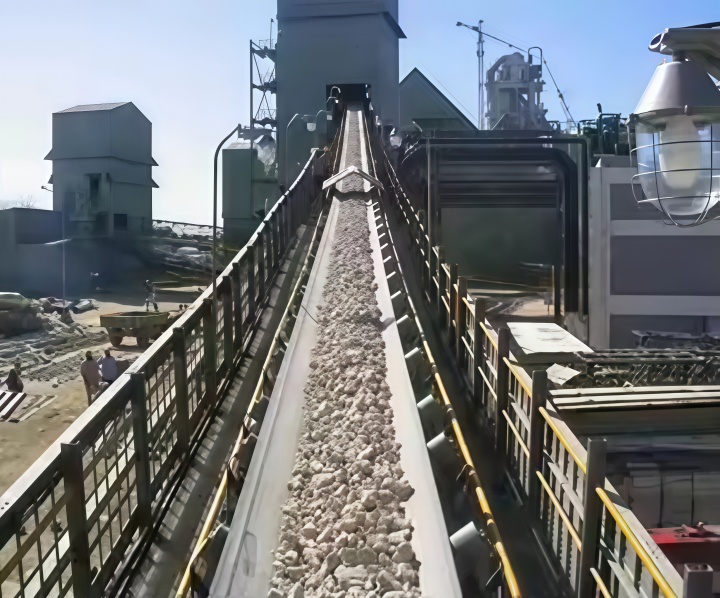
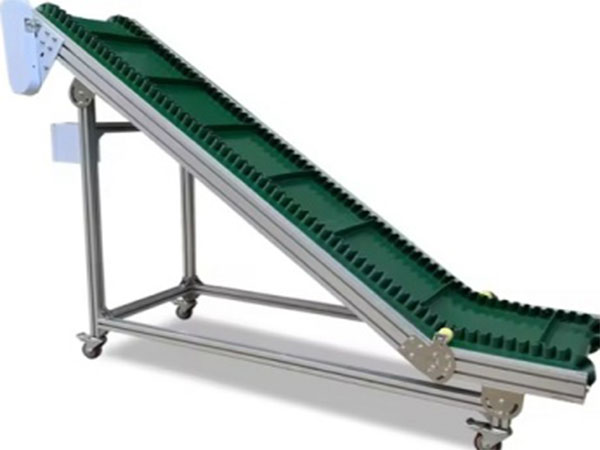
Unlike short belt conveyors used in workshops, they vary greatly in configuration and have a wide price range.
| Model Tier | Basic Configuration | Reference Price per Meter (USD) | Reference Price per Complete Set (USD) | Application Scenario |
| Basic Model | EP canvas belt, 500–650 mm belt width, straight conveying | 180–340 | 15,000–30,000 | Small and medium-sized conveying lines for sand and gravel aggregates |
| Mainstream Heavy-Duty Model | EP / simple steel cord belt, 800–1000 mm belt width | 300–780 | 30,000–80,000 | Conventional main conveying lines in mines |
| Large Mainline Model | Steel cord conveyor belt, 1200 mm and above belt width, multi-point drive | 600–1,800 | 80,000+ | Ultra-long conveying for ports and large open-pit mines |
Long-distance belt conveyors are customized according to project requirements, with no fixed standard price. Multiple conditions jointly determine the final cost.
Conveying length, belt width and belt type are the three biggest factors affecting the budget. Longer conveying lengths require more structural materials and higher-grade drive configurations.
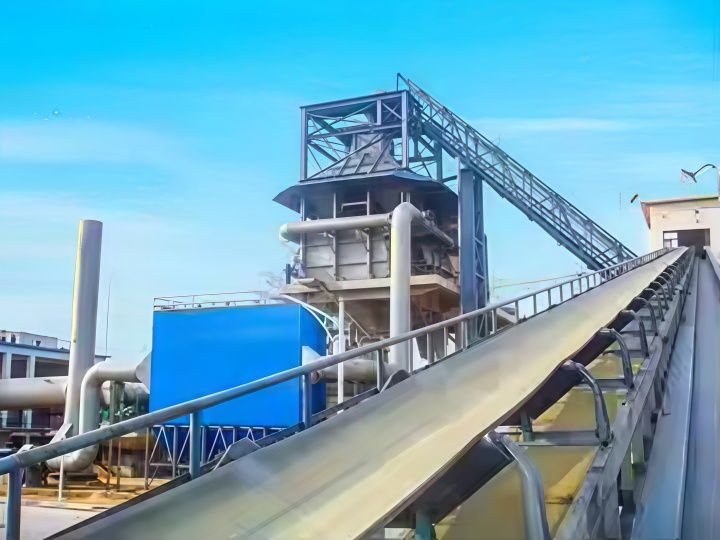
Belt width determines the throughput; wider belts demand larger frames, belts and idlers. Belts with different materials differ greatly in wear resistance, flame retardancy and tear resistance, leading to obvious price gaps.
Whether the route needs inclines, turns, and whether the site terrain is complex will reshape the whole solution. Straight, simple routes cost less.
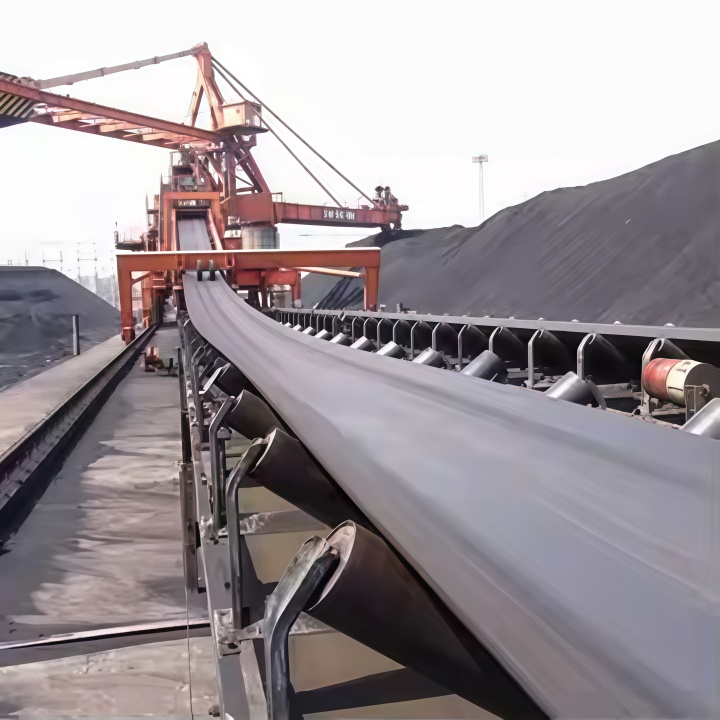
Curved or steeply inclined routes require extra turning assemblies and anti-slip structures, pushing up design and manufacturing costs. The drive scheme also changes accordingly; multi-point variable-frequency drive costs more than single-motor drive.
Material properties are another key consideration. For abrasive, high-temperature materials, or underground applications requiring explosion-proof and flame-retardant performance, belts, frames and motors must adopt special grades, which increases the overall cost.
Optional attachments also create price differences. Customers may add brakes, tear-resistant protection, dust covers, skirt boards and remote monitoring systems.
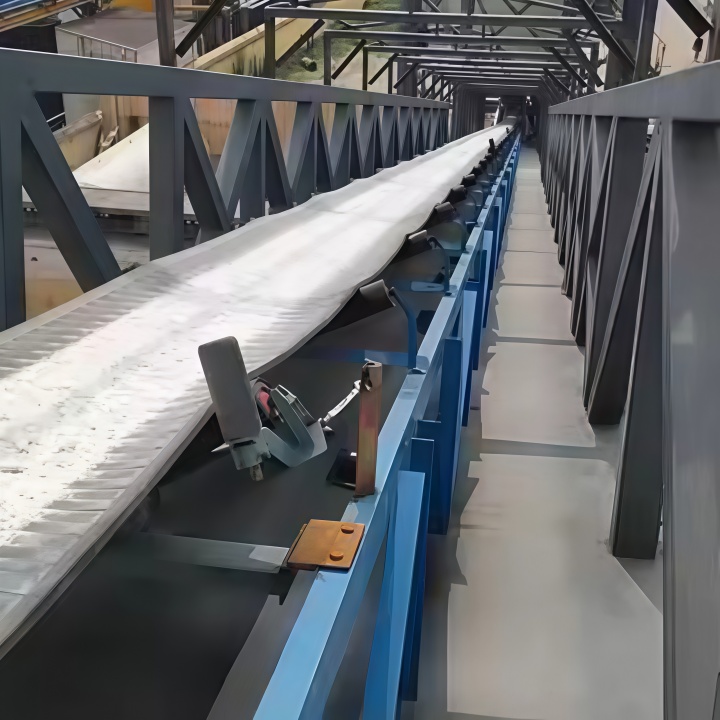
Idlers and pulleys are available in standard or heavy-duty wear-resistant versions. Wear-resistant components deliver longer service life but come at a higher purchase cost. Generally, harsher working conditions and more auxiliary features mean higher total system costs.
A 100-meter conveying line in a sand and gravel plant with a 650 mm wide fabric belt usually costs between US$15,000 and US$30,000.
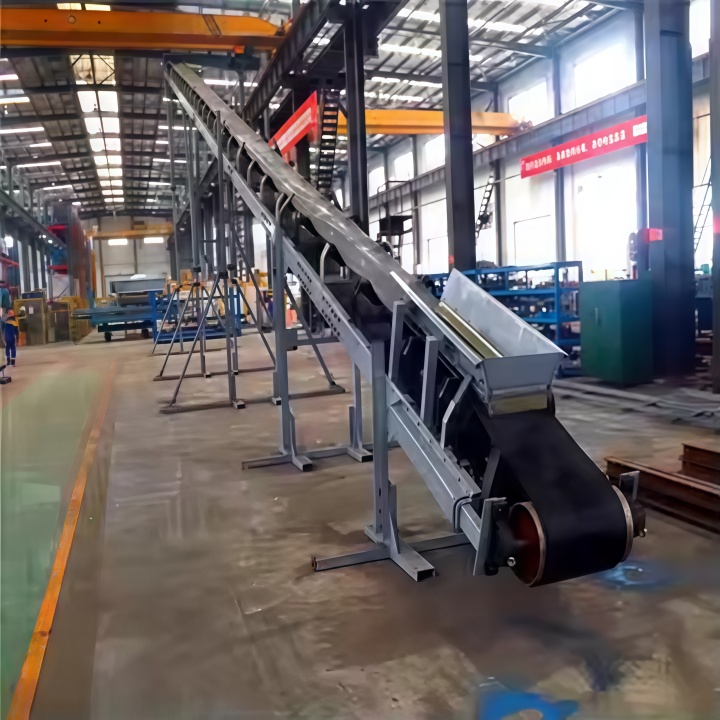
A 300-meter main conveying line for coal mines with a 1000 mm wide steel cord conveyor belt generally ranges from US$50,000 to US$80,000. Heavy-duty port conveyors spanning over one thousand meters, some with curves and multiple drive groups, start at US$80,000.
Wide gaps between quotations from different suppliers do not always reflect quality differences. More often, the scope of supply varies.
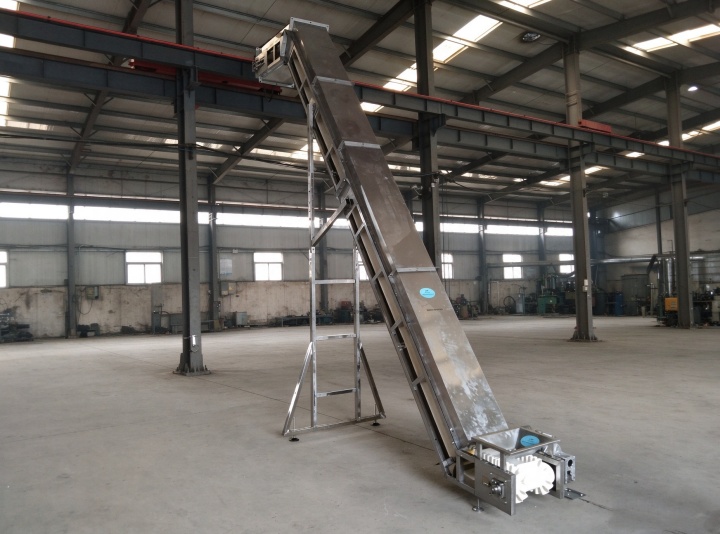
When comparing budgets, carefully check the configuration list and confirm whether the quotation includes belts, idlers, motors and control cabinets. Comparing only the total price easily leaves out accessories and causes inaccurate budget estimates.
Q: How much does a long-distance belt conveyor cost per meter?
A: Depending on belt width and belt material, the reference price ranges from US$180 to US$1,800 per meter.
Q:Does this quotation include installation?
A:Standard FOB quotations only cover the equipment itself and exclude installation services.
Q:Why is the steel cord conveyor belt more expensive?
A: It offers higher tensile strength, suitable for long-distance and heavy-load conveying. Its raw materials and manufacturing process come with higher costs.
CONTACT
WhatsApp:+86 18339211009
Email:sale@xxdahan.com
Add:China, Henan Province, Xinxiang City.Yanjin county forest park gate to the west 1000 meters north road